
















A new social media ban in Australia is raising concerns among teen influencers, particularly for those relying on these platforms for income and opportunities. Carlee Jade Clements, a 15-year-old from Melbourne, has expressed her fears about the impact of this legislation on her future as a content creator. With 37,000 followers on Instagram, Clements has yet to be removed from the platform, but she was banned from TikTok when the world-first restrictions took effect on October 4, 2023.
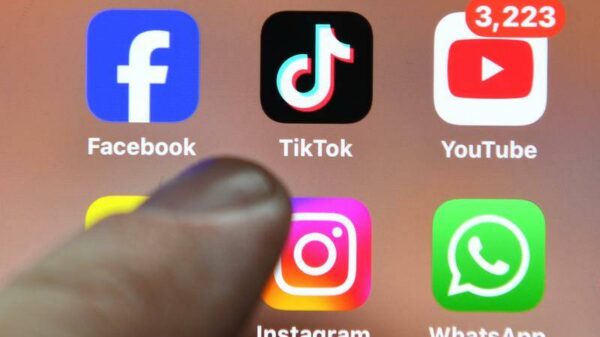
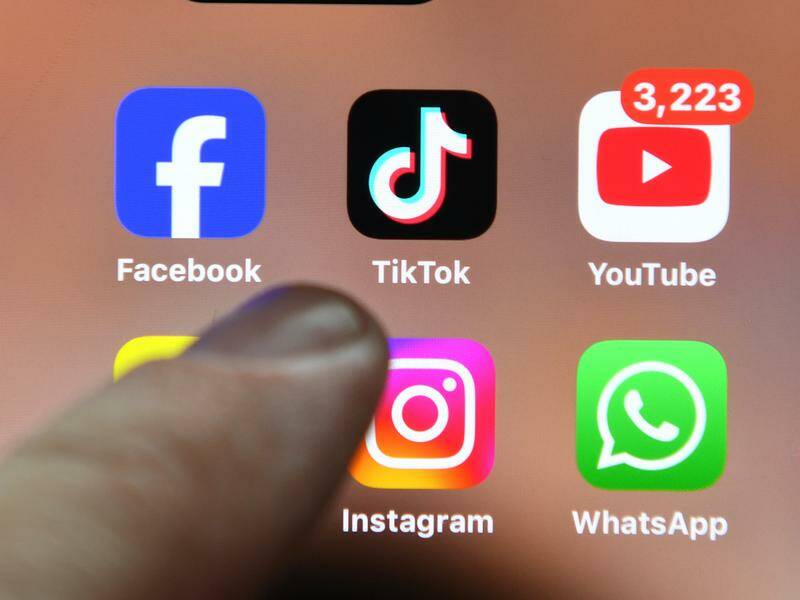
The new laws mandate that ten major social media platforms, including Instagram, YouTube, and Snapchat, must prohibit users under 16 from accessing their accounts. This move aims to protect young users but has left many, like Clements, worried about their livelihoods. Her Instagram account serves as a digital portfolio showcasing her talents in acting, dancing, and modeling, and has facilitated paid opportunities, including a recent job for an Invisalign advertisement.
“I got flown to Sydney for the Invisalign ad that I got paid for,” Clements told the Australian Associated Press. “I wouldn’t have had that job without my Instagram. It’s my dream job to be an actor.” Despite her success, Clements has seen her engagement metrics decline dramatically as a significant portion of her teenage audience has been removed from the platform. Engagement is crucial for generating revenue from advertisers, and she described the situation as “devastating.”
Clements is acutely aware that her Instagram account could be deleted at any moment, leading to not only a loss of income but also the disruption of her networking opportunities. “If I get kicked off, I won’t be able to get my income,” she said. “I have definitely made good money to go into my savings; it helps me pay for my dance costumes.”
The implications of this ban extend beyond financial concerns. Clements has formed strong social bonds through her online presence, which became increasingly significant after the sudden death of her father last year. “We had tens of thousands of people pass on their condolences, and that was massive to us,” said Simone Clements, Carlee’s mother. Additionally, Clements uses her platform to promote fundraisers for charities, including Camp Quality and Redkite, organizations that supported her twin brother during his battle with brain tumors.
The legislation is prompting some families to relocate to avoid its restrictions. Bec Lea, a parent of 14-year-old influencer Charli Lea, recently moved to the UK, citing the ban as a key factor in their decision. The Lea family boasts more than 1.85 million YouTube subscribers. “When it became clear that the ban really was coming, we knew we’ve got to find a solution,” Ms. Lea said in a video. “Charli loves being online.”
Under the new regulations, parents and children will not face penalties if they find ways to circumvent the ban. Instead, the onus falls on social media companies to take “reasonable steps” to ensure compliance. Failure to comply could result in fines of up to $49.5 million.
Anika Wells, Australia’s Communications Minister, has stated that the eSafety commissioner will require all affected platforms to report on the number of under-16 accounts that remain active. The government’s focus is on safeguarding young users while grappling with the economic realities faced by those like Clements, who have invested years into building their online presence.
As the situation develops, the impact of this ban will likely resonate beyond Australia, prompting discussions about the balance between protecting young users and supporting their creative aspirations in the digital landscape.