


































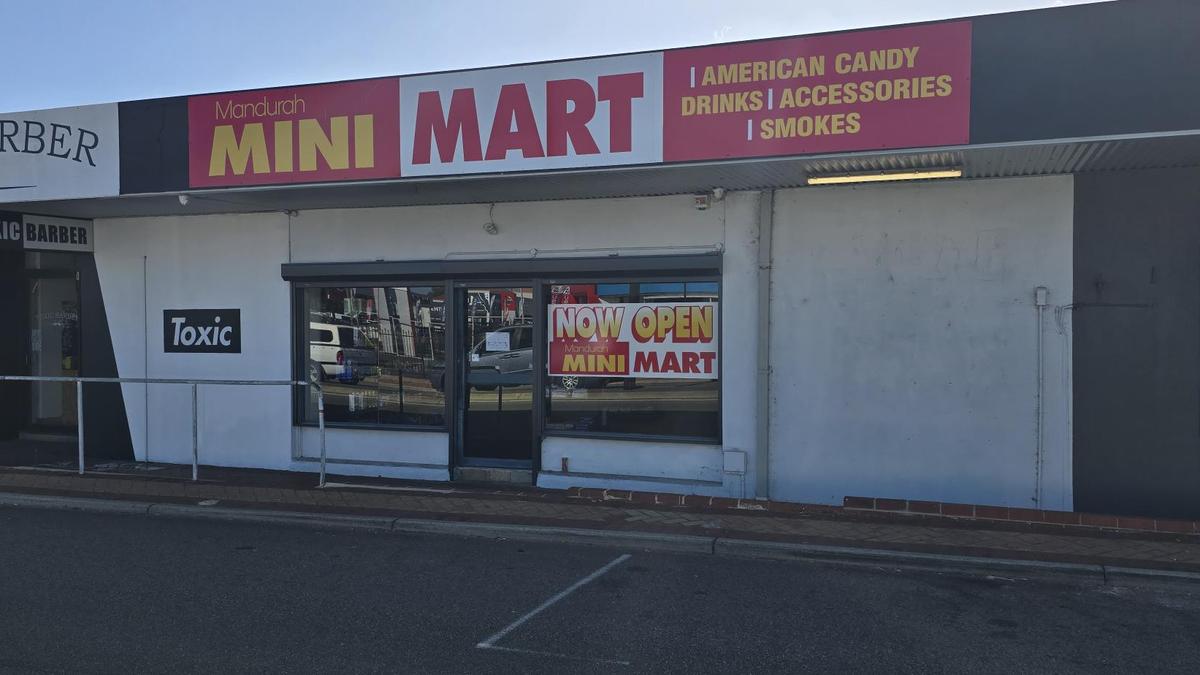
A magistrate in Western Australia has expressed concern over the prosecution of a young retail worker following a police raid on a Mandurah store. On January 5, 2024, officers from the Australian Transnational, Serious and Organised Crime Committee observed illegal sales at the Mandurah Mini Mart on Pinjarra Road, leading to serious legal repercussions for 20-year-old Alannah Julie Morrow.
During a court hearing on Friday, Morrow was convicted of unlawful possession of a prescription drug and selling tobacco products without a license. Police prosecutor Senior Constable Mick Fallows reported that authorities discovered 435 nicotine devices, 48,840 illicit cigarettes, and 73 pouches of tobacco weighing 3.6 kilograms inside the store.
Concerns Over Accountability in Tobacco Sales
Despite Morrow’s absence from the courtroom, Magistrate Kelly Thompson proceeded with sentencing under section 55 of WA’s Criminal Procedures Act. However, the magistrate questioned the fairness of placing the full weight of the charges on Morrow, who she noted was merely an employee at the store.
“She’s just one of the staff at the shop?” Thompson asked, highlighting her concerns about Morrow’s level of responsibility in the situation. Fallows acknowledged that Morrow might not fully understand the legal implications of selling the products, noting that she now faces a potential fine of up to $30,000 AUD.
Thompson further remarked, “It really should be the manager being charged.” This sentiment raised questions about the broader accountability of retail establishments in adhering to tobacco laws.
Next Steps in the Legal Proceedings
Fallows indicated that he would make efforts to contact Morrow as the case was adjourned until February 20, 2024. The situation underscores the complexities surrounding illicit tobacco sales and the responsibilities of employees versus management in retail environments. As the legal proceedings continue, the focus remains on ensuring fair treatment for all individuals involved.
The outcome of this case could have implications for how similar situations are handled in the future, particularly concerning the legal responsibilities of retail workers in relation to their employers.