































Recent analyses reveal that global measures of food insecurity significantly underestimate the extent of hunger worldwide. According to a report from the United Nations, as many as 1 in 5 individuals suffering from hunger may not be accurately counted. This discrepancy poses a serious challenge for international humanitarian efforts aimed at addressing food shortages.
Humanitarian aid organizations frequently rely on the Integrated Food Security Phase Classification (IPC) system to assess and classify food insecurity levels. This global partnership, which includes the World Food Programme (WFP) and the Food and Agriculture Organization (FAO), aims to provide timely assistance based on detailed analyses of food security conditions. Despite these efforts, the 2023 Global Report on Food Crises highlights the critical gaps in data collection and reporting that leave millions unaccounted for.
Data Gaps and Their Impact
The IPC system classifies food insecurity into various phases, from minimal food security to catastrophic conditions. However, the methodology used to gather data often fails to capture the full scale of the issue. For example, while the report indicates that approximately 828 million people faced hunger in 2021, many experts argue that the true number could be significantly higher due to underreported cases.
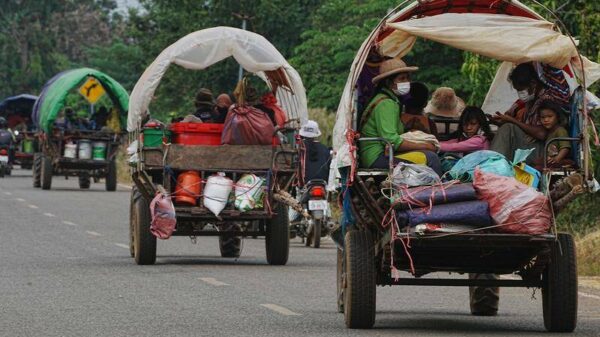
The report suggests that food insecurity is particularly acute in regions affected by conflict and climate change. In areas where access to food is severely restricted, individuals may not be included in official statistics. This lack of accurate data can lead to inadequate assistance and delayed responses from aid organizations, ultimately exacerbating the crisis.
Addressing the Challenges Ahead
To improve the accuracy of food insecurity assessments, experts advocate for enhanced data collection methods and increased collaboration among international organizations. The WFP and the FAO are already exploring innovative approaches to gather more comprehensive data, including the use of technology and remote sensing.
In addition to improved data collection, there is a pressing need for more targeted assistance to vulnerable populations. As humanitarian organizations strive to meet the needs of those affected by hunger, understanding the true scale of food insecurity will be crucial in directing resources effectively.
The consequences of underreporting food insecurity extend beyond immediate hunger. Inadequate data can hinder long-term planning and development efforts, perpetuating cycles of poverty and malnutrition. As the international community continues to confront these challenges, it is imperative that accurate assessments guide humanitarian responses and policy decisions.
With food crises on the rise, addressing the gaps in our understanding of hunger is more urgent than ever. Accurate data will not only inform immediate assistance but also shape strategies to build resilience against future food insecurity. As the global landscape evolves, ensuring that every individual facing hunger is counted will be a critical step toward achieving food security for all.