































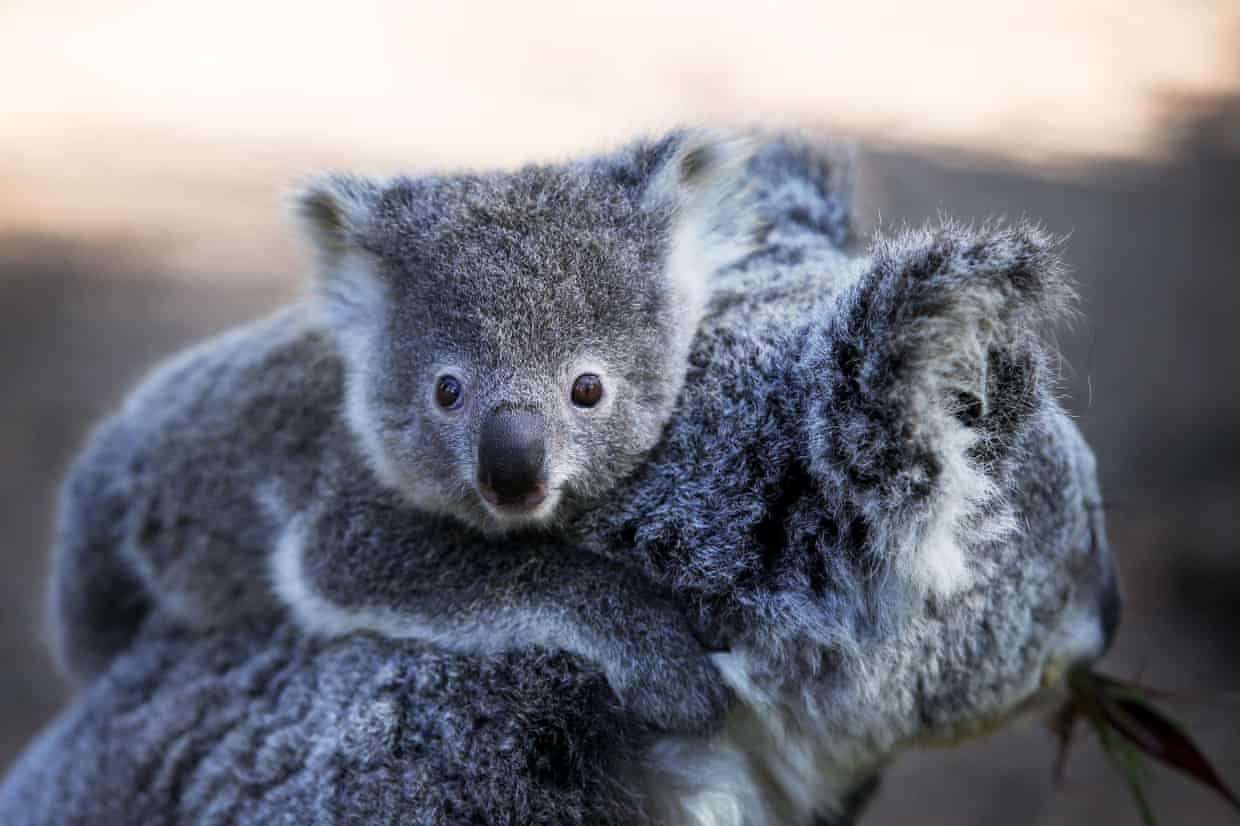
The first comprehensive survey of koala populations in New South Wales estimates that there are approximately 274,000 koalas across the state, a figure significantly higher than earlier projections. Released on October 12, 2023, the survey utilized advanced technologies, including heat-detecting drones and acoustic recorders, to assess populations in over 1,000 locations, including national parks, state forests, and private lands.
Previously, estimates of the koala population in New South Wales ranged from 15,000 to 30,000 animals, highlighting the uncertainty surrounding the species’ numbers. The recent survey findings reflect improved methodologies and a more extensive examination rather than an actual increase in the koala population.
Survey Methodology and Findings
The survey involved over 6,500 kilometers of night-time drone flights and more than 400,000 hours of acoustic monitoring during the koala breeding season. This data was used to model both the distribution of koalas and their abundance across various regions of New South Wales.
According to a report from the New South Wales government, the findings contributed to national koala figures released by the CSIRO, which estimates Australia’s total koala population to be between 729,000 and 918,000. This marks a significant increase from a previous estimate of 287,830 to 628,010 koalas nationally. Despite these higher figures, experts caution against assuming a population rebound.
Mathew Crowther, a professor of quantitative conservation biology at the University of Sydney, noted the importance of interpreting these figures carefully. He emphasized that the numbers are modeled estimates and urged the public not to react with either alarm or excitement. “It’s a baseline,” Crowther stated. “We should be more interested in what’s happening to the koalas—are they declining, increasing, or disappearing from areas? Ongoing monitoring is essential.”
Ongoing Threats and Conservation Efforts
The report highlighted troubling areas in the state, such as the far west, the Pilliga region, and much of the south coast, where koalas were notably absent. Tanya Pritchard, senior manager of koala recovery at the World Wide Fund for Nature-Australia, acknowledged the new estimate as important but reiterated that it does not suggest an overall increase in the koala population.
“New approaches like scanning with thermal drones and increased search efforts mean we’re getting better at finding existing koalas,” she explained. “But make no mistake, koalas have suffered a massive decline.”
The New South Wales government has reiterated that koalas remain an endangered species, facing numerous threats including habitat loss, disease, vehicle strikes, and the impacts of climate change. Environment Minister Penny Sharpe stated, “This survey provides a clearer understanding of where koalas remain in New South Wales. It is an important tool for guiding conservation decisions. Koalas are still endangered, and the threats they face are real.”
As part of its conservation strategy, the Minns government is moving forward with plans for the Great Koala National Park, which aims to add 176,000 hectares of forest to existing reserves, potentially creating one of the largest national parks in the state.
In response to the survey findings, James Griffin, the Coalition’s environment spokesperson, expressed support for the ongoing koala strategy, stating it continues to deliver valuable insights for better conservation efforts. “The data from the koala monitoring program demonstrates the importance of continued investment in koala conservation and sustainable population growth across the state.”
Conversely, Sue Higginson, the NSW Greens environment spokesperson, pointed out that the estimated number of koalas does not fully capture other critical factors, such as population health and viability. “What we need to focus on is the actual conservation status of koalas in New South Wales,” she said. “We know we are losing populations, habitat is being destroyed, and animals are facing unprecedented mortality rates due to road strikes.”
As New South Wales grapples with the complexities of conservation and the challenges that threaten the iconic koala, ongoing monitoring and adaptive management will be crucial to ensure the survival of this beloved species.