



































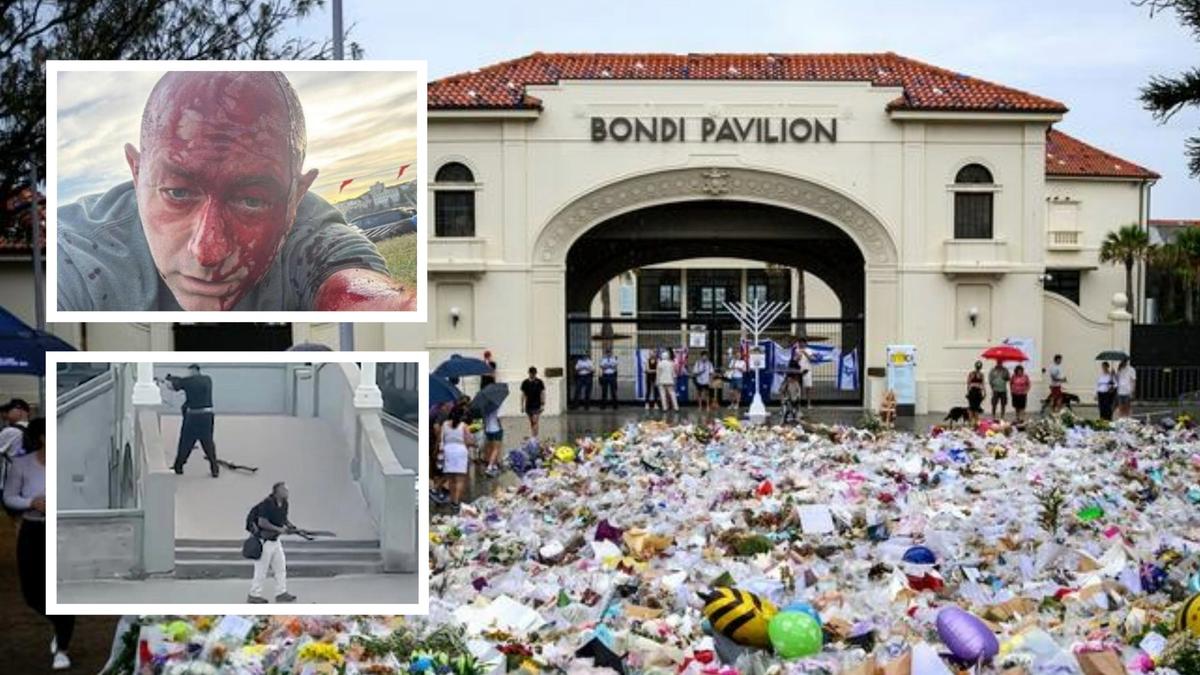
Australia’s internet regulatory body, the eSafety Commission, has reported receiving nearly 100 complaints regarding harmful online content linked to the tragic attack at Bondi Beach on December 14, 2023. Among these complaints, one was classified as “class one material,” indicating that it contained highly disturbing content. Following the attack, which shocked the nation, videos depicting the mass shooting rapidly circulated online, prompting the commission to form a dedicated investigation team.
The material shared online included graphic images of victims, footage of the gunman during the attack on a Chanukah celebration, and harrowing witness accounts. The eSafety Commission’s on-call team monitored the situation closely, responding to 98 official complaints while collaborating with major tech companies to address the dissemination of such content on their platforms.
According to an eSafety spokesman, only one of the complaints met the threshold for illegal content, which encompasses materials that promote or incite acts of terrorism, extreme violence, or other serious crimes. The spokesman confirmed, “This material is no longer available online and no further action from eSafety is required at this time.” The remaining complaints did not warrant further action under current regulations.
Online Hate and Misinformation Trends
Simultaneously, the online anti-Semitism research group CyberWell has been actively monitoring social media responses to the attack. Their findings revealed concerning trends in the aftermath, based on an analysis of 164 pieces of content that collectively amassed over 8.1 million views and more than 255,000 interactions. Founder Tal-Or Cohen Montemayor expressed alarm at the prevalence of narratives that justified or normalized violence against victims, including conspiracy theories alleging that Jews orchestrated the attacks.
Montemayor stated, “We are deeply concerned by the nature and volume of this content. This type of online anti-Semitism in the wake of the horrific Bondi Beach terror attack has one dehumanising message: that Jews are not worthy of empathy, protection, or sympathy.” The misinformation was exemplified by a deepfake image of victim Arsen Ostrovsky, which falsely depicted him in a staged scenario on a film set, further complicating the public’s understanding of the event.
Compounding the issue of misinformation, the identity of a local hero, Ahmed Al Ahmed, was mistakenly reported as an invented IT professional named ‘Edward Crabtree’ by a disinformation outlet.
Calls for Action and Future Measures
In response to the online hate and misinformation, Josh Burns, a member of Parliament and a Jewish Australian, has called for urgent action regarding the “cesspool on social media.” He urged that the recently announced Royal Commission should investigate the role online platforms have played in amplifying hate and undermining social cohesion. “I hope the commission has a look at online forms of anti-Semitism and hate because it is a cesspool on social media. It has been an amplifier of hate,” Burns said during an interview with ABC Breakfast.
The eSafety Commissioner, Julie Inman Grant, has been assigned a key role in the government’s response to the Bondi attack. In December, Prime Minister Anthony Albanese announced that Inman Grant would collaborate with Jillian Segal, the Special Envoy to Combat Anti-Semitism. Their mandate includes providing guidance on best practices for tackling online anti-Semitism and informing the upcoming review of the Online Safety Act, expected in the first quarter of 2026.
A recommendation from Segal’s report to enhance transparency regarding social media algorithms that can amplify hateful content remains unaddressed. Inman Grant highlighted challenges in obtaining such transparency from tech companies, which she described as viewing their algorithms as “secret sauce” for user engagement.
As the investigation continues and the Royal Commission prepares to delve into these pressing issues, the call for accountability from tech platforms and the promotion of online safety becomes increasingly urgent in a digital landscape that can often harbor destructive narratives.
