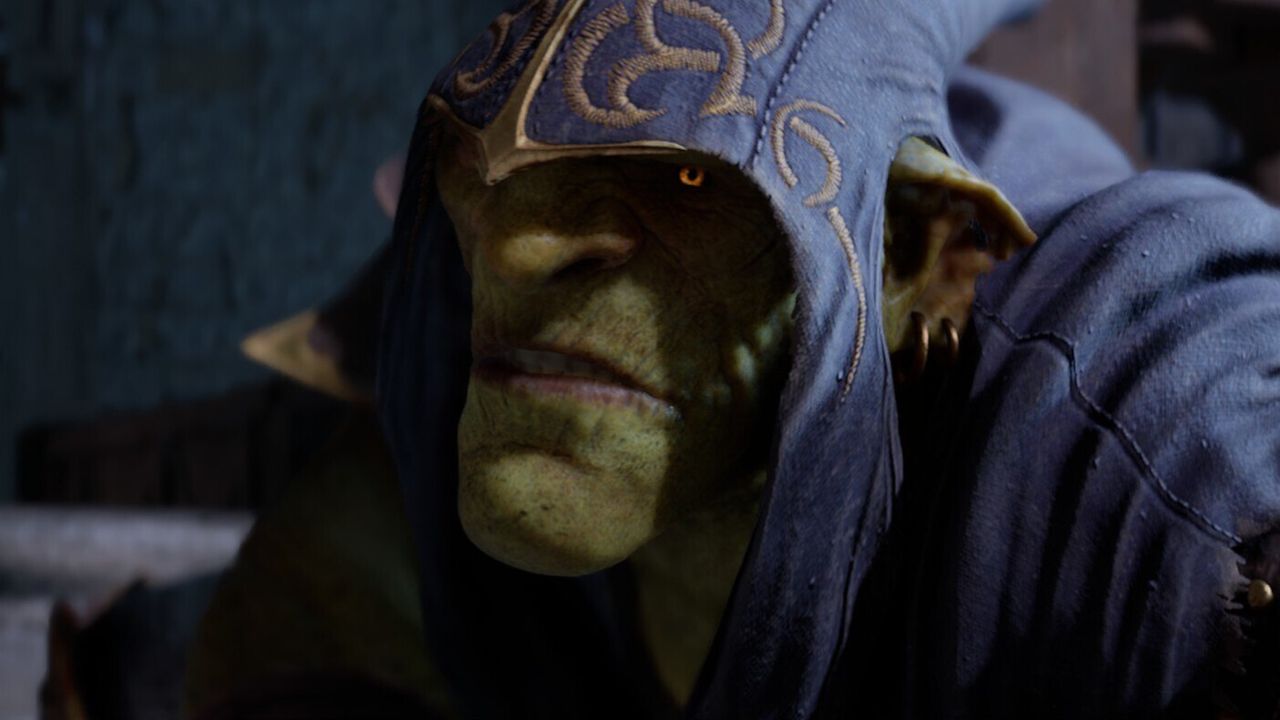
The highly anticipated game, Styx: Blades of Greed, is set to launch on February 19, 2026, introducing a semi-open world format that enhances its signature stealth gameplay. Developed by Cyanide Studio and published by Nacon, the game is priced at $40. Players will explore expansive, vertical maps filled with intricate challenges and opportunities for creative stealth tactics.
Blades of Greed marks a significant evolution in the Styx series, which has been absent from the gaming landscape for nearly a decade. While the earlier titles featured more linear level designs, this new installment embraces a more open structure, allowing players to navigate three vast and vertically-oriented environments. Each map is designed to encourage exploration, with paths that reward players who return to previously visited areas after acquiring new traversal abilities.
The game introduces metroidvania-style enhancements, including a hookshot for reaching elevated platforms and a parachute for safe descents. These upgrades, along with other unlockable abilities such as temporary invisibility, possession of enemies, and time manipulation, provide diverse gameplay options. Players can choose to approach challenges stealthily or engage in more direct confrontations, although the latter is generally discouraged given Styx’s inherent limitations as a small goblin.
Exploration and Aesthetic Appeal
Visually, Blades of Greed impresses even on medium settings, showcasing a richly detailed world. One standout location is The Wall, a decaying multi-storey city built within the arches of a massive viaduct. Players can traverse this environment using parkour techniques, scaling heights and navigating through complex urban structures. Other diverse settings include the lush, orc-inhabited swamps of Turquoise Dawn and the ruins of Akenash from the series’ first game.
As players engage in stealth mechanics, they will encounter various threats, including guards from the villainous Inquisitors, giant insects with acute hearing, and explosive feral creatures. Each encounter encourages players to employ stealth rather than brute force, reinforcing the game’s core mechanics. The world is designed like a honeycomb, allowing for multiple escape routes and creative navigation strategies, enhancing the overall gameplay experience.
Gameplay Mechanics and Challenges
The semi-open world structure allows for a variety of mission types, primarily centered around collecting Quartz, a resource integral to the game’s plot. While initially these tasks may feel repetitive, the developers have infused each mission with unique puzzles and obstacles, ensuring that players remain engaged. The game’s design encourages exploration and experimentation, allowing players to find their own paths to complete objectives.
Despite its many strengths, Blades of Greed is not without its challenges. Players have reported encountering bugs that can interfere with gameplay, such as issues with picking up items or navigating certain areas. Additionally, performance on devices like the RTX 3060 laptop can vary, particularly in crowded or intricate environments.
Ultimately, Styx: Blades of Greed successfully blends stealth mechanics with a more open-world design, providing a rich and varied gaming experience. Players may find themselves more invested in Styx’s character, as the game sheds some of the darker aspects of previous iterations. The new direction taken by Cyanide Studio appears to resonate with fans of dark fantasy, reminiscent of classic films like The Dark Crystal.
As the release date approaches, anticipation builds for what promises to be an engaging addition to the Styx franchise, inviting both new players and returning fans to experience the evolved world of stealth gaming.