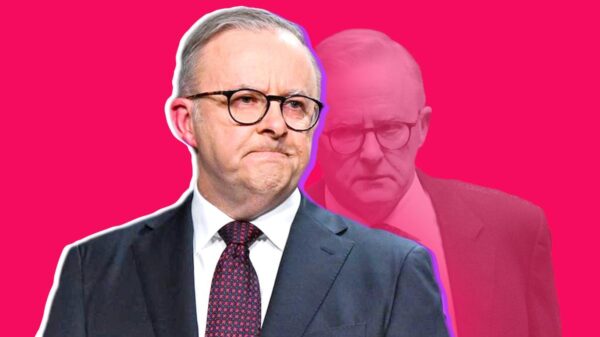


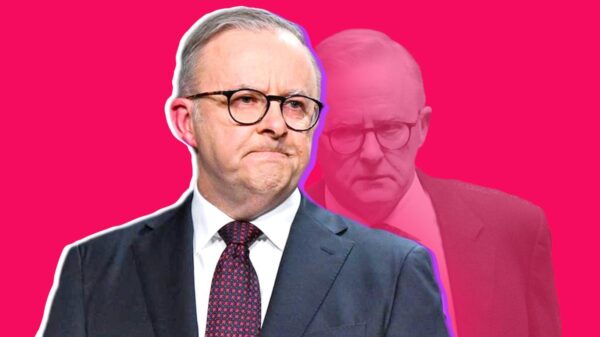




















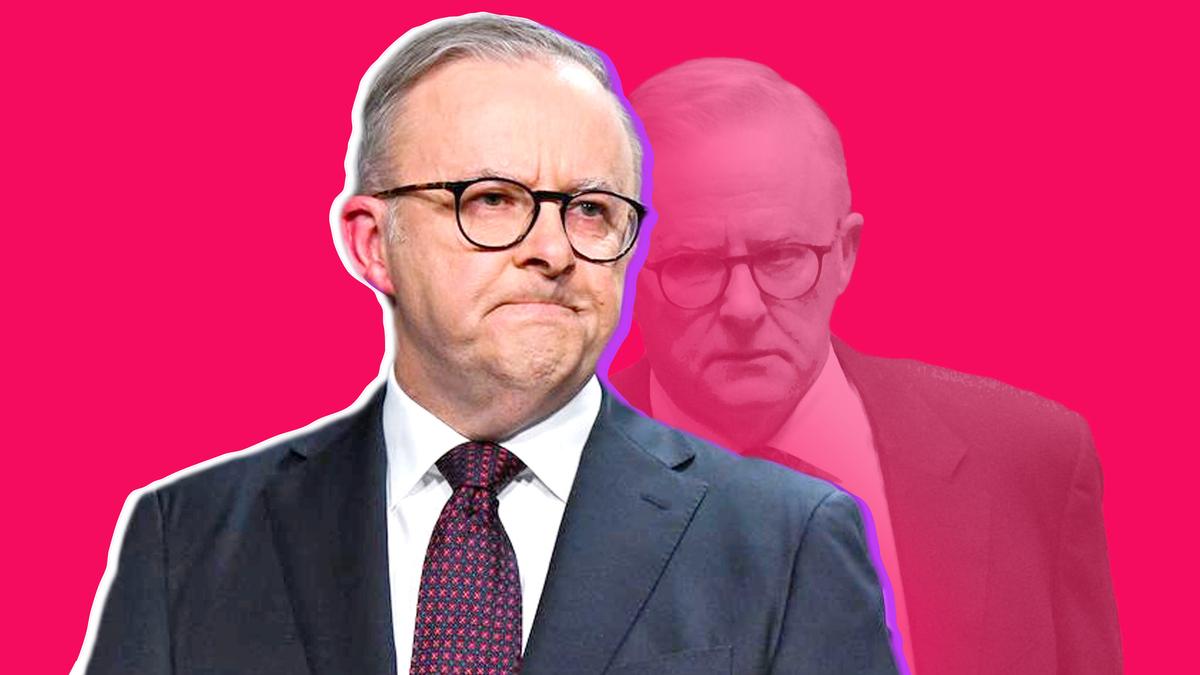
BREAKING: Prime Minister Anthony Albanese is under intense scrutiny as revelations about extravagant spending by politicians spark outrage across Australia. Following a week of mounting public anger, Albanese has requested advice from the Independent Parliamentary Expenses Authority (IPEA) regarding the need for reforms to the current system that allows MPs to spend taxpayer money on lavish perks.
This urgent move comes after shocking details emerged, including Communications Minister Anika Wells spending $1,000 on a dinner in Paris and Queensland National Andrew Willcox amassing $123,386 in travel costs since 2022 for his wife. These expenditures have ignited a firestorm of criticism, with many Australians expressing disbelief over the MPs’ disregard for public sentiment.
The Prime Minister’s acknowledgment that these practices may not “pass the pub test” is a significant shift in tone. However, many citizens feel it is long overdue. “What’s $1.1 million in taxpayer money spent on indulgent perks against a legacy like a social media ban for under-16s?” one frustrated voter stated, highlighting the disconnect between politicians and everyday Australians.
Albanese has often touted his ability to gauge community sentiment, yet this incident signals a profound miscalculation. While there is widespread support for the social media ban aimed at protecting children, voters are equally concerned about the misuse of taxpayer dollars by their elected officials.
In a country where public trust in politicians is already fragile, the latest revelations threaten to exacerbate existing frustrations. Critics argue that the current system reflects a broader issue of entitlement that plagues politicians from all parties. The unspoken agreement among politicians to overlook each other’s spending habits may soon face a reckoning.
The IPEA is expected to conduct a thorough review of the expense rules, but skepticism remains high. Many Australians are questioning whether any proposed changes will effectively curb the excesses that have long characterized political spending.
“Unless the IPEA is led by individuals committed to transparency, it’s unlikely that we’ll see meaningful change,” said a political analyst. “The community is tired of these empty promises.”
As the government prepares to address the public’s concerns, the urgency for reform has never been clearer. Citizens are calling for accountability and a commitment to responsible spending that aligns with community expectations.
Next steps include the IPEA’s findings, which are anticipated in the coming weeks. Australians are watching closely to see if real changes will finally be made or if this will be just another chapter in a cycle of outrage and inaction.
Stay tuned as we continue to monitor this developing story and its implications for Australia’s political landscape.