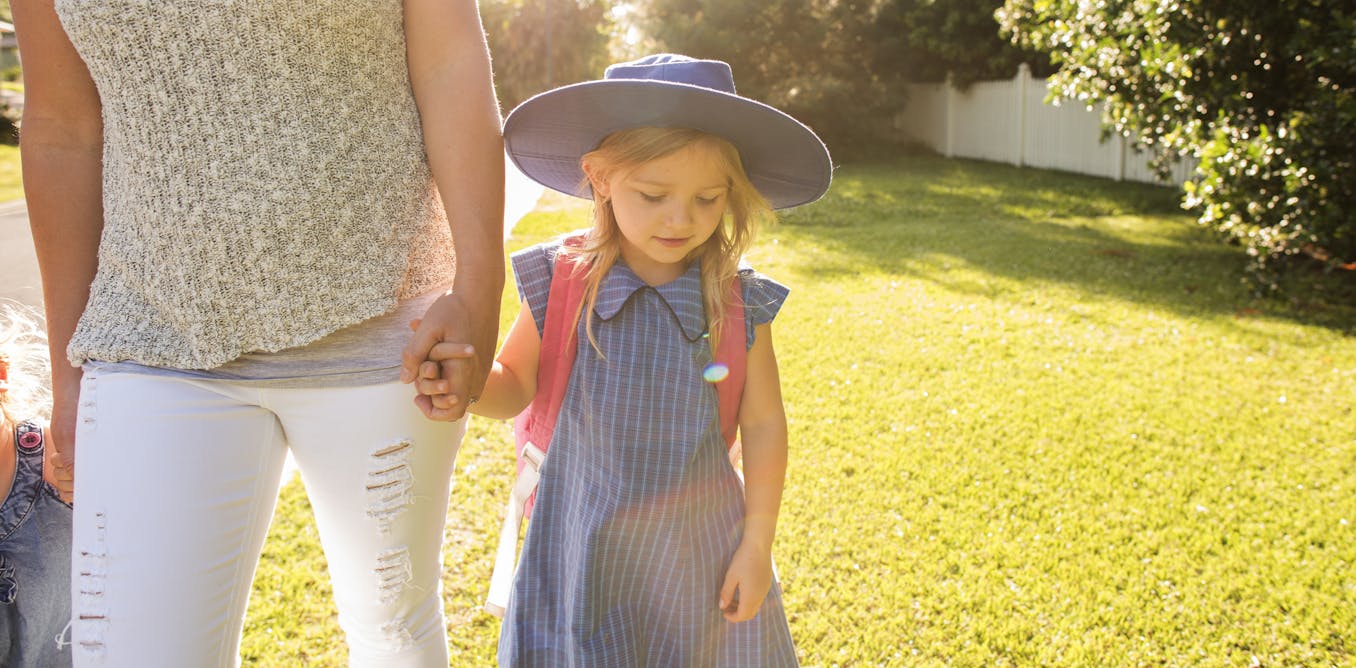
Starting school is a pivotal moment in a child’s life, introducing them to new routines, peers, and environments. This transition can be filled with excitement but may also evoke stress. Recent research conducted by a team from Edith Cowan University examined how families can bolster their children’s confidence as they embark on their formal education journey. Over 100 children aged three to six and 21 teachers participated in the study, which included interviews, observations, and children’s drawings.
Practical Skills Foster Independence
The study revealed that children are often expected to demonstrate a level of independence at school that they may not yet possess at home. Essential tasks such as opening their own bags and lunchboxes, managing personal belongings, and using the bathroom independently can be daunting. Families can ease this transition by practicing these skills daily in the lead-up to the first day.
Encouraging children to pack and carry their bags, as well as open and close their lunchboxes, can significantly enhance their readiness. Parents can utilize the holiday period to help children familiarize themselves with their lunch items, allowing them to learn what to expect during snack and meal times. This preparation also enables parents to identify any packaging that might pose difficulties for their children, an aspect teachers appreciate.
Establishing a routine is equally beneficial. Young children thrive on consistency and repeated practice. The research indicates that children who engage in pre-school routines with their parents experience a smoother transition. A simple visual chart displayed prominently, outlining key steps such as “eat breakfast,” “brush teeth,” and “pack your bag,” can effectively guide children through their morning preparations without overwhelming them.
Familiarizing with the School Environment
Building familiarity with the school environment before the first day can significantly reduce anxiety. Parents are encouraged to attend orientation sessions or arrange visits to the school. Simple activities, such as walking around the premises or exploring the playground, can make the new setting feel more approachable.
Discussing what the first day might entail can also help. For instance, explaining that they will meet their teacher at the classroom door and then proceed to the classroom can set clear expectations. Parents may find it helpful to communicate that they will be waiting at a specific location, such as a tree, in the afternoon, reinforcing a sense of security.
Utilizing any stories or videos provided by the school can further enhance children’s familiarity with their new surroundings. The more children understand what awaits them, the more confident they will feel on their first day.
Adjusting to a new school environment may lead to heightened emotions for young children. Parents should be aware that the excitement of starting school can be tiring. It is common for children to return home feeling exhausted or irritable. To help manage these feelings, parents should aim to keep afternoons calm, minimizing extracurricular activities that could overwhelm them further. Providing a healthy snack and water is essential, as many children forget to hydrate during busy school days.
Engaging children in gentle conversation about their day, such as asking, “What was your favourite part of today?” can foster a supportive environment without putting pressure on them to recall every detail. It is important to remember that transitions can be as challenging for parents as they are for children, and maintaining a simple after-school routine can help everyone manage their emotions.
Building relationships with teachers and school staff is crucial for a successful transition. Schools also prepare for the arrival of new students, and teachers are eager to understand each child’s background and family dynamics. Parents are encouraged to share information about their home language, family culture, and daily routines. This open exchange of information can create a foundation for stronger relationships, ultimately supporting children’s educational experiences.
The research, co-authored by Leonie Barblett and Amelia Ruscoe, highlights the importance of family involvement in easing children into school life. Support from the Association of Independent Schools Western Australia provided funding for this valuable study, which emphasizes that with the right preparation, children can approach their first day of school with confidence and enthusiasm.