UPDATE: Israeli airstrikes have targeted fuel storage facilities in and around Tehran, igniting massive fires and marking a significant escalation in the ongoing conflict. The strikes occurred late on March 7, 2026, and are the first direct attacks on Iran’s energy infrastructure since the U.S.-Israeli campaign against Iran began on February 28.
The Israel Defense Forces (IDF) confirmed responsibility for striking “several fuel storage complexes” linked to Iran’s Islamic Revolutionary Guard Corps (IRGC), igniting towering flames and thick black smoke visible across northeastern and western Tehran. Footage verified by major outlets shows the Shahran oil depot engulfed in flames, while reports indicate burning oil has spilled into drainage systems, creating hazardous conditions on streets like Koohsar Boulevard.
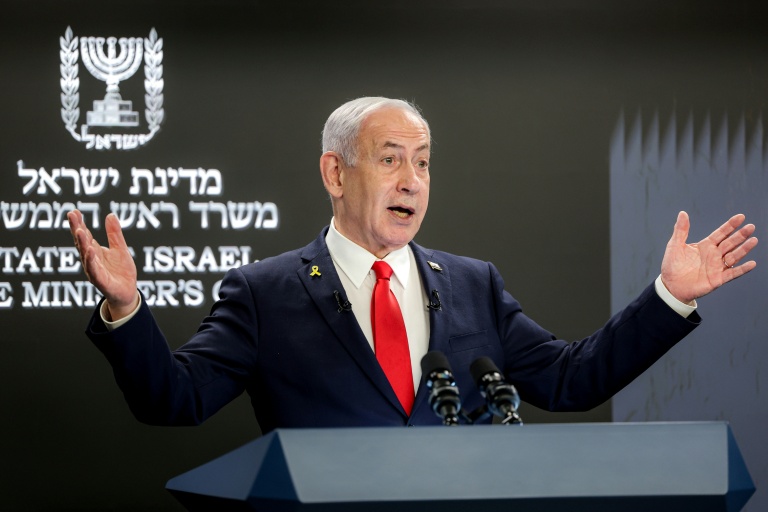
Iran’s National Oil Company reported on the attacks, stating that fires are under control but did not release immediate casualty figures. This escalation follows a series of earlier strikes that targeted missile bases and leadership compounds, part of a broader strategy to degrade Iran’s military capabilities. Israeli Prime Minister Benjamin Netanyahu vowed to deliver “many surprises” in the next phase of operations, indicating a potential intensification of military actions.
The conflict has prompted swift retaliation from Iran. The IRGC announced strikes on Israel’s Haifa oil refinery using ballistic missiles, causing significant damage to Israel’s largest oil facility. Sirens blared across northern Israel as the attack unfolded, highlighting the increasing scope of this conflict. While Iranian officials claim substantial damage, Israeli authorities have begun containment efforts without confirming the extent of the damage.
As the situation unfolds, the war’s impact extends beyond military targets. The ongoing strikes have disrupted regional shipping routes, threatening to push global oil prices closer to $150 per barrel. Analysts warn that prolonged attacks could exacerbate inflation, straining economies worldwide. The BBC reports potential spikes in food and fuel costs due to disrupted Gulf routes and production halts.
The fighting has intensified, with joint U.S.-Israeli operations—dubbed Operation Roaring Lion—decimating much of Iran’s ballistic missile program. The International Atomic Energy Agency noted limited impacts on nuclear facilities, while Iran’s retaliatory actions have included drone strikes on Gulf neighbors and missile interceptions in Saudi Arabia.
As of March 8, 2026, the war shows no signs of de-escalation. U.S. and Israeli forces maintain air superiority, conducting continuous strikes over Tehran. Iran has claimed hundreds of U.S. casualties in counterstrikes, although these claims remain unverified.
The situation is further complicated by Iran’s proxy, Hezbollah, which has launched attacks on Israeli positions in northern Israel. The humanitarian toll is significant, with hundreds of thousands displaced in Lebanon due to intensified Israeli operations.
While Gulf states express reluctance to deepen involvement, the conflict continues to escalate, with Netanyahu’s promise of “surprises” suggesting further targeting of Iranian capabilities. Former U.S. President Donald Trump reiterated that there will be no negotiations unless Iran surrenders unconditionally.
International calls for restraint persist, but military momentum favors continued operations as both sides dig in. Global markets are on edge, with oil volatility dominating headlines as strikes light up nights in Tehran and Haifa. As the conflict unfolds, the path to resolution remains elusive, and the risks of broader confrontation grow.
Stay tuned for further updates as this developing story continues to evolve.