URGENT UPDATE: A groundbreaking new initiative, known as the ‘Hospital in the Home’ program, has just launched across Southern New South Wales, aiming to keep patients out of crowded emergency departments. The program, which received a funding boost of $31.4 million, is set to transform patient care by providing medical support in the comfort of home.
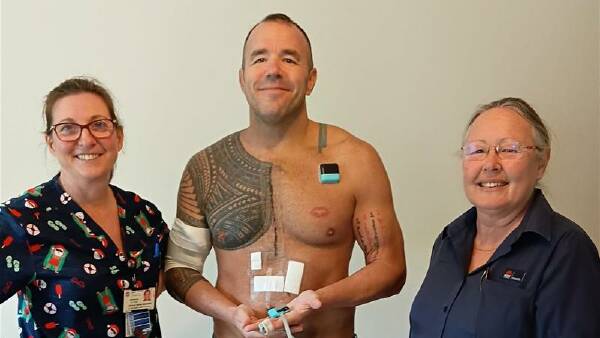
This innovative approach is already making waves, as local resident James Dufour shares his positive experience. Just a month ago, while enjoying a walk on Tomakin Beach, Dufour experienced severe chest pain, which turned out to be linked to his previously undiagnosed bicuspid aortic valve. Instead of enduring a lengthy hospital stay during his recovery, he is now receiving daily visits from nurses, thanks to the new home-based care model.
Launched in December 2025, the program spans the Bega Valley, Eurobodalla, Goulburn, and Queanbeyan regions. It aims to alleviate the pressure on overwhelmed emergency departments by providing high-quality, safe care directly at home. This model is particularly beneficial for patients needing support for various conditions, including cellulitis, pneumonia, and deep vein thrombosis.
Dufour expressed his gratitude, stating, “I have one to two nurses that come to my house every day, and they’ve been outstanding.” He highlighted the swift communication with medical staff, saying, “If they come at 9:30 AM and do a blood test, I’m getting a call by lunch with the results. It makes you feel like life’s a bit normal, when life isn’t normal.”
The program is not just about convenience; it addresses the stigma some patients face regarding hospital care. Dufour noted how his children view the nurses positively, saying, “It’s not like dad’s sick and we have to go to the hospital; it’s like dad’s had surgery but they’re coming to look after him.”
According to Summa Stephens, director of nursing and midwifery at the Southern NSW Local Health District, the initiative is designed to be a “hospital substitution.” She emphasized, “It’s about receiving care in your place of choice… in a hospital bed.”
The program includes 12 virtual beds in Bega, allowing patients to access care without a physical hospital visit. Notably, patients can now be referred directly from their general practitioners, streamlining access to essential services.
To enhance patient monitoring, the program is introducing cutting-edge wearable technology. This enables clinicians to track vital signs like breathing rate and heart rate remotely, ensuring continuous care. “Patients can put the device on intermittently through the day… It transmits that information to our clinical team,” Stephens explained.
Residents interested in the ‘Hospital in the Home’ program are encouraged to consult their general practitioners to explore eligibility and referral options.
This innovative program represents a significant shift in patient care, reducing hospital visits while ensuring quality treatment. The Southern NSW community is urged to stay informed about this transformative healthcare model that promises to redefine recovery and patient experience.
Stay tuned for more updates on this developing story.