



































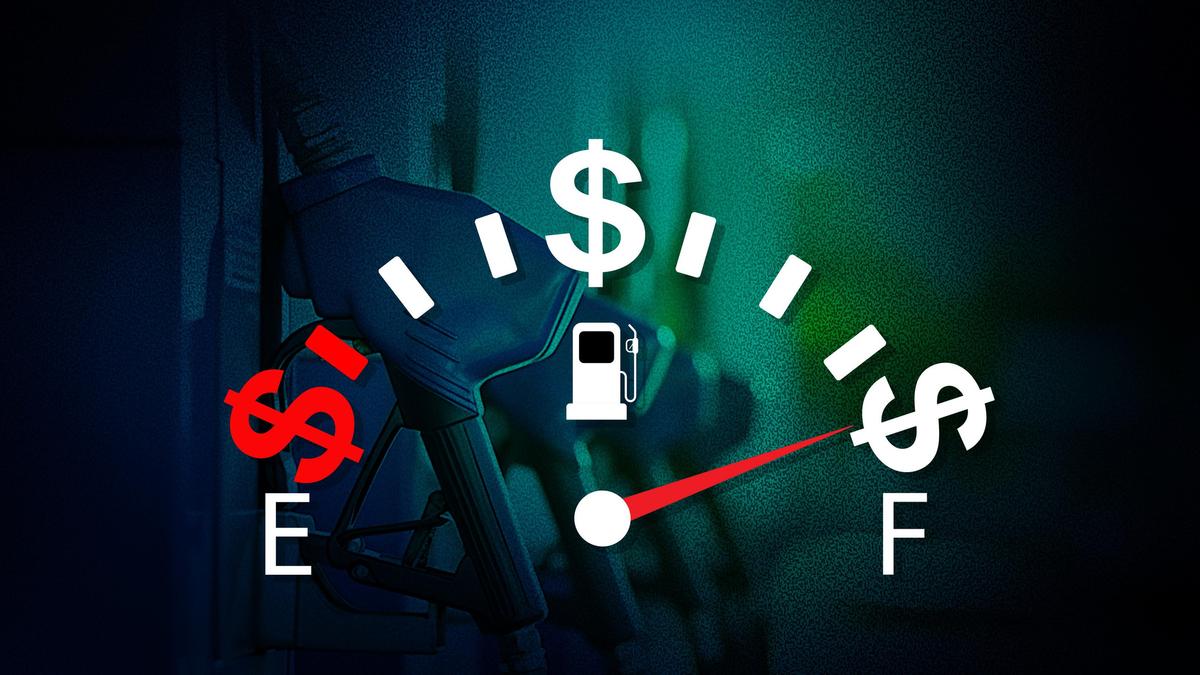
As global conflicts escalate, economic ramifications are increasingly felt. In Australia, rising fuel prices are raising alarms about inflation, which could soon impact household budgets significantly. According to Treasurer Jim Chalmers, inflation forecasts are adjusting upwards, with expectations of peaking between the mid-to-high fours, compared to the current rate of 3.8 percent recorded in January.
The surge in inflation is being driven by a variety of factors, including a booming housing market, which saw prices increase by 6.8 percent nationally and 13.5 percent in Perth. However, the most immediate concern is the increase in fuel prices, which rose sharply by 47 cents last week in capital cities compared to February. This rise has heightened the possibility of an interest rate hike when the Reserve Bank board convenes next Tuesday.
Economic Impact and Household Strain
AMP Chief Economist Shane Oliver emphasized the multifaceted impact of higher petrol prices. “We know that higher petrol prices will add to inflation directly, then you’ve got indirect effects, fertiliser and transport costs and so on,” he remarked. He also noted that the increased fuel expenses could equate to an additional $100 monthly for households, effectively diminishing disposable income and exerting downward pressure on inflation.
As households brace for tighter budgets, many are left pondering the duration and extent of economic aftershocks stemming from the ongoing conflict in the Middle East. The Australian government is taking steps to mitigate immediate fuel shortages. They plan to approve permits allowing road trains to transport heavier fuel loads and have temporarily eased environmental standards to facilitate the sale of alternative fuel sources. The government will also release up to 20 percent of the national petrol and diesel reserves, amounting to approximately 760 million litres.
Government Preparedness and Future Challenges
While these measures address current shortages, questions remain about the long-term implications should the conflict continue. BP Australia informed Roger Cook during a recent fuel security round-table that they maintain a “very high level of confidence” in fuel supply until mid-April. However, the future remains uncertain.
In an unexpected proposal, One Nation representative Barnaby Joyce has suggested implementing fuel rationing based on vehicle number plates, a suggestion the government has dismissed. Dr. Chalmers reassured the public in a statement to Sky News, saying, “We’ve got big stockpiles of fuel. We work around the clock to make sure that Australia doesn’t run out. We’re certainly not expecting that we will.”
Despite these reassurances, some critics argue that the government should prepare for potential worst-case scenarios. Energy Minister Chris Bowen has insisted that Australia is well-equipped to handle the situation, yet reports indicate that the country holds only 32 days worth of oil stocks, significantly below the 90 days mandated by the International Energy Agency.
The ongoing crisis highlights vulnerabilities in Australia’s energy policy and preparedness. As households tighten their belts in response to rising costs, the government faces mounting pressure to ensure fuel security and economic stability in the face of global uncertainties.
Responsibility for this editorial comment rests with Editor-in-Chief Christopher Dore.
