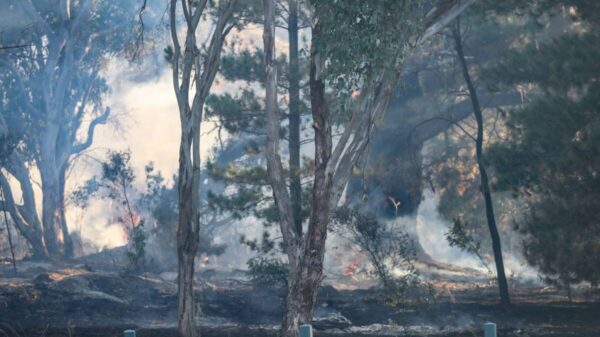
UPDATE: This weekend, Western Australia faces a dangerous bushfire risk as temperatures soar to a staggering 40°C amid challenging weather conditions. Authorities are urging residents to prioritize safety and prepare for potential fires across the region.
The Bureau of Meteorology warns that dry lightning and strong winds will exacerbate fire conditions, particularly in areas like Geraldton. Meteorologist Angeline Prasad stated, “There is a potential for dangerous fire weather conditions over the next few days, as long as we have heat, wind, and thunderstorms in the landscape.”
As bushfires have already erupted this season, including near urban areas, West Australians are reminded that more than 90% of the state is prone to bushfires. Darren Klemm, commissioner of the Department of Fire and Emergency Services (DFES), highlighted the urgency, saying, “Our dedicated career and volunteer firefighters have already responded to several emergency-level and watch-and-act bushfires.”
Residents are encouraged to take immediate action—download the Emergency WA app, review local forecasts, and prepare a bushfire plan. The current situation is particularly pressing as the community gears up for holiday festivities, yet fire risks remain high.
In urban centers like Perth, even those in city limits must remain vigilant. Fires can escalate quickly, as evidenced by last month’s near-miss in Ardross. Beyond fire danger, the extreme heat brings additional risks, including dehydration and heat-related illnesses.
Authorities emphasize simple precautions: stay hydrated, wear sun protection, and seek shade whenever possible. As we approach the holiday season, the community is called to channel the spirit of togetherness—watch out for neighbors, especially the vulnerable, and slow down on the roads.
With hot weather forecasted to persist, now is the time for all Western Australians to act decisively. Stay informed, stay safe, and help mitigate the risks associated with this bushfire season.
As conditions develop, keep an eye on updates from local authorities and the Bureau of Meteorology. Your safety is paramount—don’t wait until it’s too late.