



































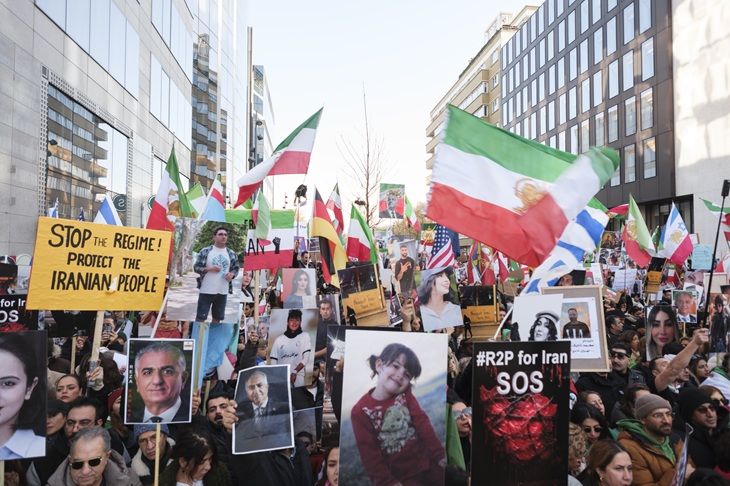
URGENT UPDATE: A devastating report reveals that Iran has seen a staggering death toll of 30,000 protesters in 2026, marking a critical juncture in the nation’s history. As calls for intervention grow louder, the silence from Washington, Brussels, and Canberra is raising alarms about a potential humanitarian catastrophe.
The implications of this crisis are profound and immediate. Experts warn that inaction could lead not just to a brutal civil war in Iran but also trigger a global fallout affecting millions. 30 to 40 million people could be displaced, significantly impacting Europe and even reaching Australia’s shores.
Iran stands at a terrifying crossroads. The choice appears stark: either there is targeted external intervention to dismantle the oppressive regime, or the country could spiral into a long, agonizing civil conflict reminiscent of Syria’s catastrophic descent into chaos in 2011.
The argument for a non-interventionist approach, often justified by fears of another Middle Eastern war, is increasingly seen as a dangerous illusion. As the death toll rises, the devastating reality on the ground demands urgent action. “To do nothing now is to repeat the catastrophe of Syria,” warned analysts, pointing to the risks of a protracted Iranian civil war that would destabilize the entire region.
The potential fallout extends beyond humanitarian concerns. Military experts suggest that if Iran descends into civil war, it could threaten the crucial Strait of Hormuz, through which 20% of the world’s oil passes. Such disruptions could lead to skyrocketing fuel prices and economic turmoil across the globe, particularly in the West and Australia.
Moreover, the internal dynamics of Iran are shifting rapidly. The population, once hopeful for reforms, is now increasingly leaning toward a desperate need for national order. When faced with unchecked repression, citizens may feel they have no choice but to take up arms. This shift could open the door for extremist factions to gain influence, effectively handing the country to warlords and armed groups.
The international community’s greatest fear is a scenario similar to Libya, where state collapse led to widespread chaos. However, unlike Libya, Iran has a significant asset: the National Army (Artesh). This military group has largely refrained from participating in the government’s violent crackdowns, presenting a unique opportunity for stabilization.
Experts argue that a targeted intervention, similar to the Bosnia 1995 model, could serve as a critical turning point. By conducting a focused air campaign against key IRGC command centers, the balance of power could shift, empowering the Artesh to restore order and facilitate a controlled transition.
The time for action is now. Inaction risks not only the lives of millions but also the stability of regions far beyond Iran’s borders. Those advocating for silence and non-intervention may unwittingly pave the way for the bloodiest civil conflict in Iranian history. The world must urgently reassess its stance before it becomes too late.
As this situation develops, the international community is urged to confront the reality of the ongoing crisis. The blood of 30,000 has already cast its vote—now is the time for decisive action to prevent further tragedy.
