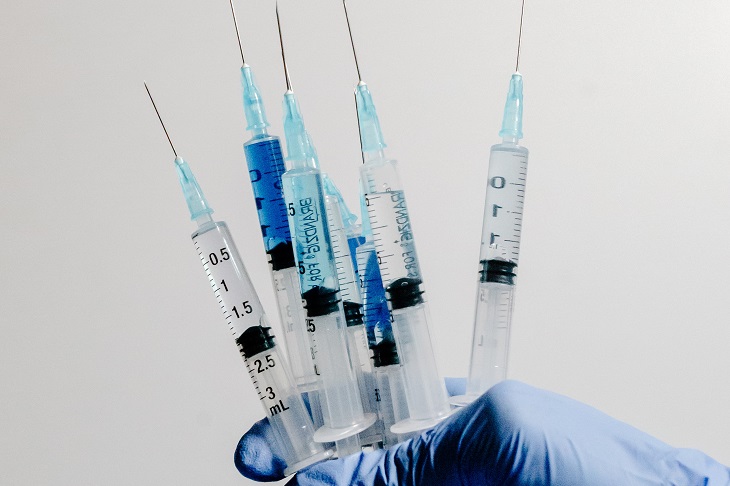
The US Department of Health and Human Services (HHS) and the Centres for Disease Control and Prevention (CDC) recently undertook a comprehensive review of the US Childhood Immunisation Schedule, prompting widespread concern among healthcare professionals. This directive, issued late last year, raised fears that it could exacerbate declining vaccination rates and hinder efforts to combat vaccine-preventable diseases.
The move follows increasing scrutiny over the number of vaccines on the schedule, the robustness of supporting evidence, and a noticeable drop in vaccination uptake, indicating a troubling erosion of public trust. According to HHS Secretary Robert F. Kennedy Jr., the review was initiated in response to President Trump’s directive to evaluate how other developed nations protect their children.
In early January, the CDC published its revised childhood immunisation schedule, along with an assessment report detailing the rationale behind the changes. This assessment analysed vaccination practices across 20 developed nations and revealed alarming trends that have significant implications not only for the United States but also for Australia.
US Vaccination Doses Compared to Global Peers
The HHS found that the United States recommends between 84 and 88 vaccine doses for children, the highest among the countries evaluated. In stark contrast, European nations such as Italy (47 doses), France (46), and Germany (45) recommend significantly fewer doses. Australia ranks lower than the US but still high, with a recommendation of 50 to 51 doses, trailing behind Canada (64-68 doses) and the United Kingdom (62 doses).
Despite the higher numbers, the HHS report highlights that many countries achieving lower vaccination rates manage to maintain strong child health outcomes. For instance, while the US covers 17 diseases with its higher number of doses, several peer nations protect against 15 to 16 diseases with fewer vaccinations, often between 48 and 65 doses.
The assessment also points to a drastic decline in public trust towards US healthcare institutions, with confidence plummeting from 72 percent to 40 percent between 2020 and 2024. This decline coincided with controversial public health strategies including school closures, mandatory face masks, and Covid-19 vaccination mandates, which created skepticism regarding the reliability of health recommendations.
As a result, childhood vaccination coverage for diseases like measles, mumps, and rubella (MMR) has also suffered. The rates dropped from 95.2 percent to 92.7 percent during this period, with 16 states projected to have MMR vaccination rates below 90 percent by 2025, below the threshold necessary for herd immunity.
Australia’s Struggle with Trust and Vaccination Rates
The situation in Australia mirrors that of the United States, with experts warning of a significant decline in childhood vaccination rates. After reaching record highs early in the pandemic, routine vaccination rates have steadily declined, prompting urgent calls for action from the Australian Medical Association (AMA) and other health bodies. Reports indicate that trust in public health is eroding, contributing to these declines, with Professor Margie Danchin from the Murdoch Children’s Research Institute noting that vaccination rates have reached their lowest point in nearly a decade.
Despite these concerning trends, Australian experts have been less willing to acknowledge the impact of policy on public trust. Instead, they often attribute the decline to factors such as misinformation and the influence of the previous US administration.
Historical data indicates that vaccination coverage among Australian children aged 1, 2, and 5 has been falling since 2021. The rates dropped from 94.85 percent, 92.60 percent, and 95.09 percent in 2021 to 92.14 percent, 90.44 percent, and 93.63 percent in 2024, mirroring the US experience.
Australia’s high number of mandated childhood vaccines, currently thirteen, raises questions about the effectiveness of such policies. Research suggests that countries without vaccine mandates report similar or even higher vaccination rates compared to those with mandates. The average vaccination rate in mandated countries sits at 88 percent, while non-mandated countries average 89 percent.
The assessment warns that while mandates may boost short-term vaccination rates, they can negatively impact long-term trust in public health, potentially leading to decreasing vaccination rates for consensus vaccines. This reality prompts a critical examination of whether Australia’s extensive vaccination mandates may be contributing to a broader crisis of trust in public health.
The US administration’s response to these challenges indicates a shift towards prioritising transparency, informed consent, and personal autonomy in healthcare. As the assessment report states, a renewed focus on personalised care and shared decision-making is essential for rebuilding trust in public health.
In contrast, Australia faces a pivotal moment as Parliament prepares to address this trust crisis. The potential introduction of Senator Alex Antic’s No Jab, No Pay (Repeal) Bill in 2026 could offer a pathway to restore choice and informed consent, essential for rebuilding confidence in the childhood immunisation programme.
As the global landscape of vaccination continues to evolve, the pressing question remains: will Australian policymakers embrace the opportunity to reform and heal the growing rift in public trust?