UPDATE: Australia’s oldest bank, Westpac, is facing significant backlash after announcing its withdrawal from a no-deforestation lending policy during its annual general meeting in Sydney on Thursday. This decision, made under new CEO Anthony Miller, has raised concerns among environmental activists who accuse the bank of enabling practices that contribute to climate change.
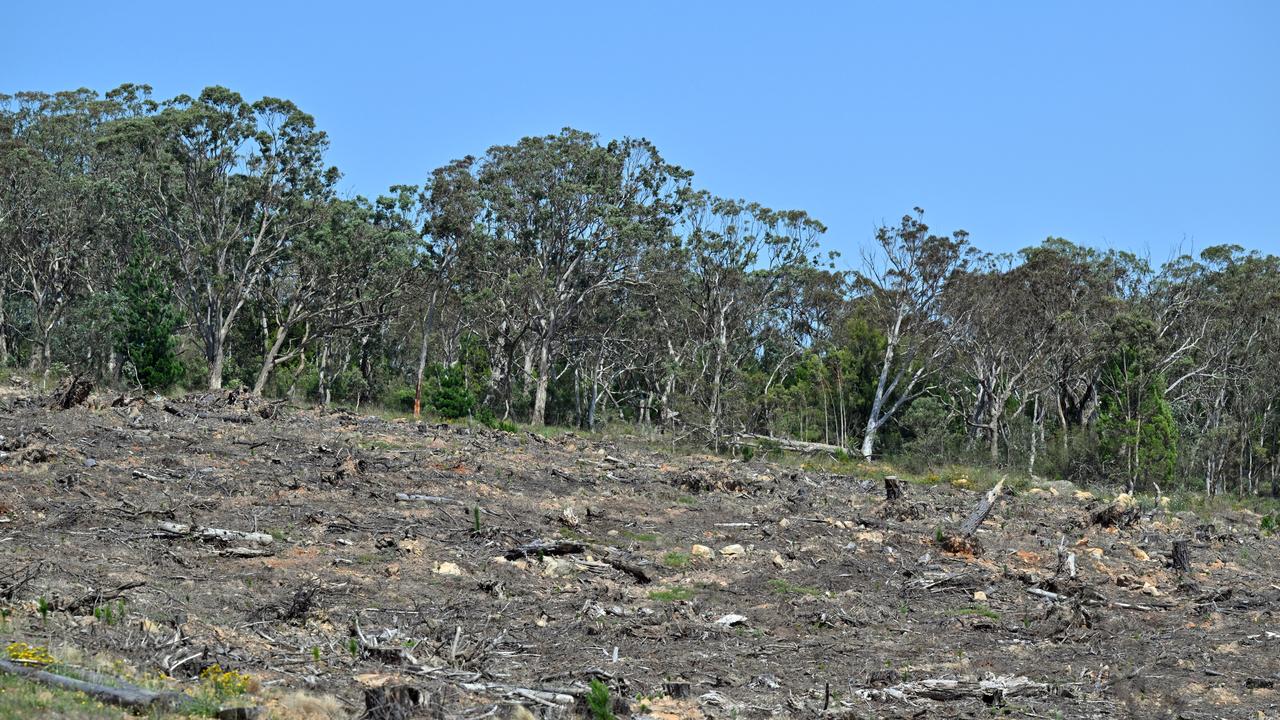
The controversial policy, originally proposed by former CEO Peter King two years ago, aimed to prohibit agricultural borrowers from converting natural forests into farmland, effective December 31. However, Miller stated that customer feedback indicated that “this was of no value.” He emphasized that borrowers need more assistance with existing regulations rather than additional bank requirements.
Activists are alarmed. Jonathan Moylan from the Australian Conservation Foundation criticized Westpac’s stance, asserting that abandoning deforestation commitments undermines the essential role forests play in food systems and the economy. “Westpac’s comments today cast doubt on what action the bank will take when habitat is threatened beyond compliance with the law,” Moylan stated.
In a further shift, Westpac has also backtracked on a previous commitment to cease financing upstream oil and gas companies lacking credible climate transition plans by October 2025. Activist Kyle Robertson from Market Forces condemned this move, saying it allows the bank to indefinitely fund fossil fuel expansion.
Despite criticism, Westpac’s chair, Steven Gregg, defended the bank’s position, noting it remains the largest lender to Australia’s renewable energy sector. He highlighted that Westpac’s exposure to fossil fuels is minimal, representing only 0.6 percent of its total lending. The bank has no corporate loans to thermal coal mining customers and requires all clients in the fossil fuel industry to have climate transition plans.
While Westpac’s shares rose slightly to $38.20, shareholders overwhelmingly rejected a resolution that would have required the bank to demonstrate how its fossil fuel financing aligns with global climate goals, with only 14 percent voting in favor.
Miller’s assertion that customers find the no-deforestation policy unnecessary has led to a fierce debate about corporate responsibility in addressing climate change. Activists argue that the bank’s approach is a step back from meaningful climate action.
As this situation develops, stakeholders will be watching closely to see how Westpac responds to mounting criticism and whether it will reconsider its commitments to environmental sustainability. The implications of these decisions extend beyond banking, affecting climate policies and conservation efforts across Australia.
Stay tuned for further updates as this story unfolds.