




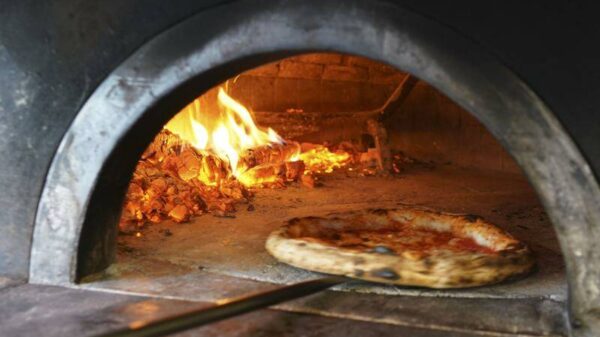





























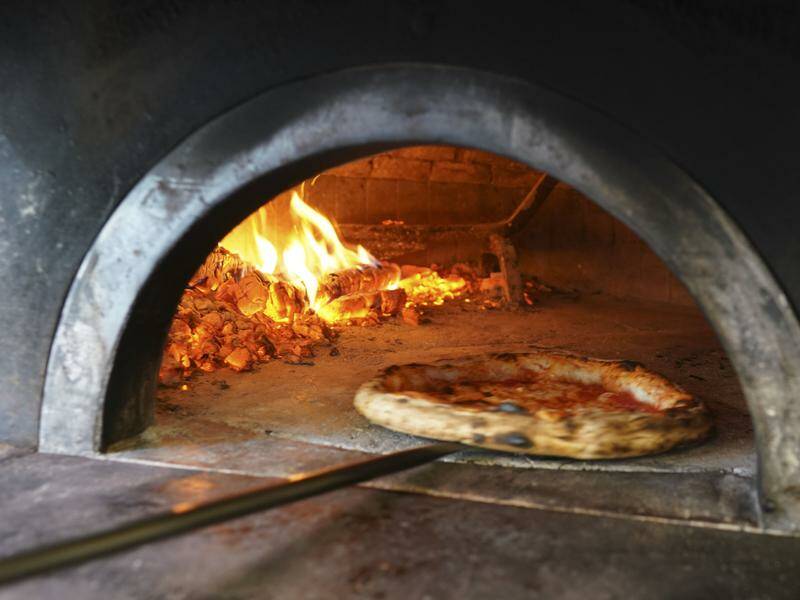
The United Nations Educational, Scientific and Cultural Organization (UNESCO) has officially recognized Italian cooking as an integral part of the world’s “intangible” cultural heritage. This designation celebrates the rich traditions surrounding the preparation and consumption of Italian cuisine, which includes beloved dishes such as pizza, pasta, and tiramisu.
The inclusion of Italian culinary practices in UNESCO’s list emphasizes the cultural significance Italians attribute to their cooking rituals. These practices encompass various customs, such as the cherished Sunday family lunch, the tradition of grandmothers teaching their grandchildren how to make tortellini, and the communal act of sharing meals.
Italian Identity Celebrated
Prime Minister Giorgia Meloni expressed her pride in the recognition, highlighting that for Italians, cuisine represents more than just food or recipes. In her statement, she remarked, “It is much more: it is culture, tradition, work, wealth.” This sentiment underlines the deep connection between Italian identity and the culinary arts.
Pier Luigi Petrillo, a member of the Italian UNESCO campaign and professor at La Sapienza University in Rome, emphasized the emotional aspect of cooking. He stated, “Cooking is a gesture of love, a way in which we tell something about ourselves to others and how we take care of others.” Petrillo noted that the Italian tradition of taking time to enjoy meals together is relatively unique on a global scale.
This designation is not unprecedented; UNESCO has previously recognized other national cuisines as cultural expressions. In 2010, the “gastronomic meal of the French” was included in the list, which highlights the importance of food in celebrating significant life events. In recent years, other culinary traditions, such as the cider culture of Spain’s Asturian region and the traditional cheese-making practices in Minas Gerais, Brazil, have also been acknowledged.
The Importance of Intangible Heritage
UNESCO’s annual meetings consider new candidates for inclusion in its lists of “intangible heritage.” These categories include a representative list, a list of practices deemed in “urgent” need of safeguarding, and a collection of good safeguarding practices. The recognition of Italian cooking reinforces the idea that food is not merely sustenance but a vital expression of culture and community.
The recognition of Italian cooking as part of the world’s intangible cultural heritage stands as a testament to the enduring significance of culinary traditions. It celebrates not only the food itself but also the rituals that bring people together, fostering a sense of identity and belonging within communities. This designation encourages a deeper appreciation for the cultural narratives woven into every meal, ensuring that these traditions are preserved for future generations.