



















President Donald Trump has selected former Federal Reserve Governor Kevin Warsh to succeed Jerome Powell as head of the US central bank, effective following Powell’s term expiration in May 2024. This nomination signals a potential shift in the Federal Reserve’s monetary policy direction, as Trump has been vocal about seeking a “regime change” in the institution’s approach to interest rates.
Trump praised Warsh, stating, “I have known Kevin for a long period of time, and have no doubt that he will go down as one of the GREAT Fed Chairmen, maybe the best.” His comments reflect an ongoing effort to influence the Federal Reserve, which he has frequently criticized for not adhering to his calls for significant reductions in borrowing costs.
Global financial markets reacted positively to the announcement, with stocks rising and the US dollar gaining strength, while gold prices fell. Warsh’s selection is perceived as a move towards lower interest rates, though analysts suggest he may not pursue aggressive easing policies as seen with other candidates.
The nomination, announced on social media, is subject to confirmation by the United States Senate. The timeline for approval remains uncertain, particularly as Senator Thom Tillis of North Carolina, a key Republican on the Senate Banking Committee, reiterated his opposition to any Fed nominee while the Department of Justice continues its criminal investigation into Powell. Tillis stated, “My position has not changed: I will oppose the confirmation of any Federal Reserve nominee, including for the position of Chairman, until the DOJ’s inquiry into Chairman Powell is fully and transparently resolved.” With a narrow Republican majority of 13-11 on the committee, his stance could create a deadlock regarding Warsh’s nomination.
The Federal Reserve has traditionally been viewed as a stabilizing force in the global economy, largely due to its perceived independence from political pressures. Trump’s increasing efforts to influence this independence will likely be a critical factor during the confirmation process. There is speculation that Powell may choose to remain at the Fed as a governor after his term as chair ends, in an attempt to protect the institution from political interference.
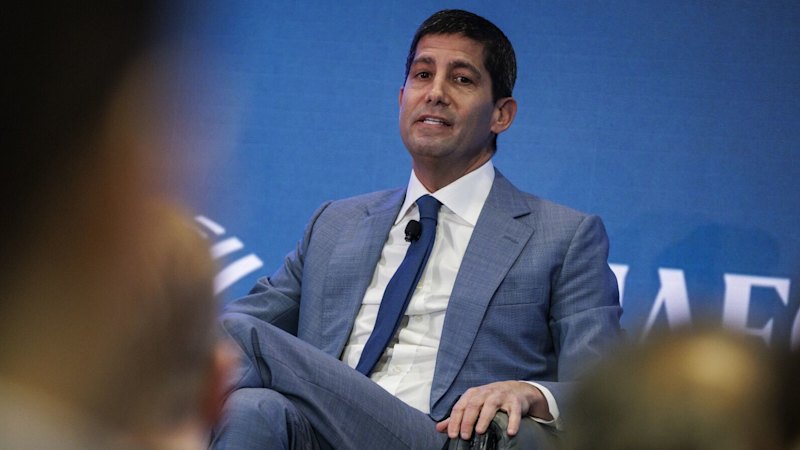
Warsh, 55, has maintained a strong public profile since his previous tenure at the Fed from 2006 to 2011. A lawyer and distinguished visiting fellow at Stanford University’s Hoover Institution, he has expressed support for Trump’s calls for rate cuts and criticized the Fed for not fully recognizing the potential of productivity growth, particularly driven by advances in artificial intelligence. He has also advocated for a comprehensive overhaul of the central bank, calling for a reduction in its balance sheet and easing of banking regulations.
Having previously been considered for the role of Fed chair during Trump’s first term, Warsh’s familiarity with Wall Street is evident. He served as a liaison to the financial community under former Fed Chair Ben Bernanke during the 2007-2009 financial crisis. Although he did not dissent against Bernanke’s substantial bond purchase program, he expressed concerns about its potential inflationary effects, leading to his resignation.
Now tasked with leading an institution he believes should reduce its economic footprint, Warsh faces the challenge of proving his independence from Trump while navigating the complexities of monetary policy. His connections to influential figures, including major Trump supporter Ron Lauder, will be under scrutiny as he prepares to advocate for a monetary policy that encourages economic growth while addressing inflation concerns.
As the nomination process unfolds, the implications of Warsh’s appointment could reshape the Federal Reserve’s approach to monetary policy and its role within the broader economic landscape. The outcome will depend on a closely watched confirmation process in the Senate, where partisan dynamics are likely to play a significant role.