





























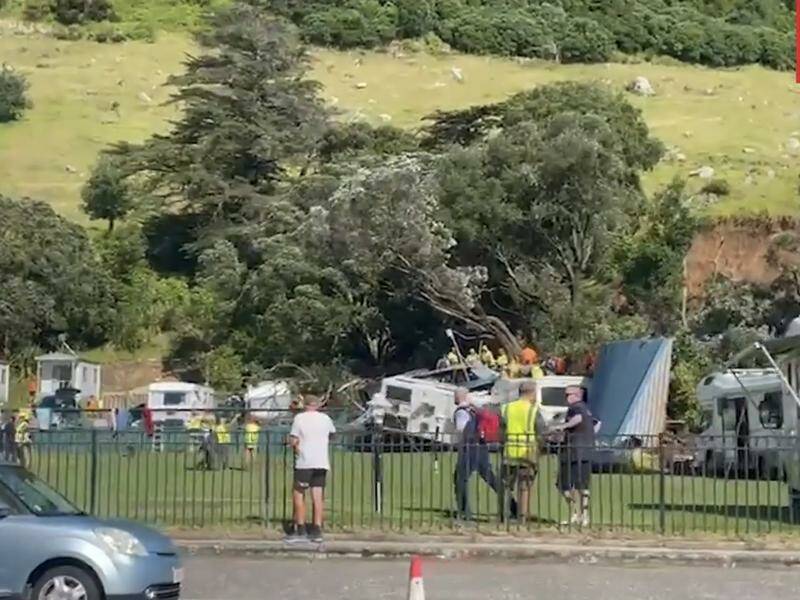
At least two people have died and several others remain unaccounted for following severe landslips triggered by unprecedented rainfall on New Zealand’s North Island. The first landslip occurred early on Thursday in Welcome Bay, resulting in the tragic deaths of two individuals who were trapped inside a house. Emergency Management Minister Mark Mitchell confirmed the recovery of their bodies hours later, while two others managed to escape the property.
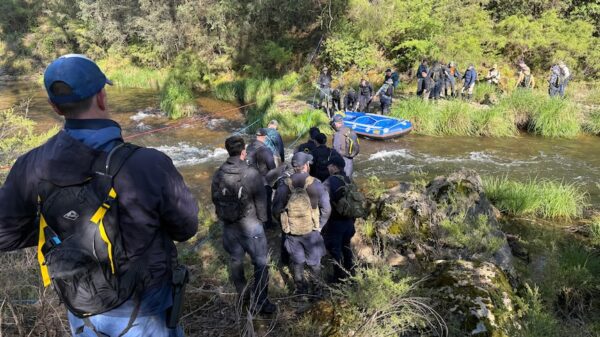
The second incident happened around 09:30 local time at the Mount Maunganui Beachside Holiday Park. This landslip caused significant destruction, crushing tents, campervans, and a toilet block, leading to fears of multiple casualties, including children. Rescue operations are currently underway with specialized teams, including canine units, searching for those unaccounted for. While police have not disclosed the exact number of missing persons, they indicated it is in the “single figures.”
Severe Weather Conditions and Community Impact
These landslips followed a record-breaking rainfall event in Tauranga, where 270 millimeters fell within 24 hours, equivalent to three months of average rainfall. The Prime Minister of New Zealand, Christopher Luxon, urged residents in affected areas to follow local authorities’ safety advisories during the extreme weather conditions. He stated on social media, “Extreme weather continues to cause dangerous conditions across the North Island. Right now, the government is doing everything we can to support those impacted.”
As rescue teams responded to the disaster, William Pike, a spokesman for Fire and Emergency New Zealand, described the initial scene at Mount Maunganui. Witnesses reported hearing cries for help from within the rubble, prompting attempts by members of the public to assist before emergency services arrived.
One tourist, Sonny Worrall, who was swimming at the nearby Mount Hot Pools, recounted the terrifying moment the landslide unfolded. “I heard this huge landslide behind me, trees cracking. There was a caravan that almost hit me and I had to dive into the next pool,” he told local media outlet Stuff. “I was fearing for my life; it was the scariest thing I’ve ever felt.”
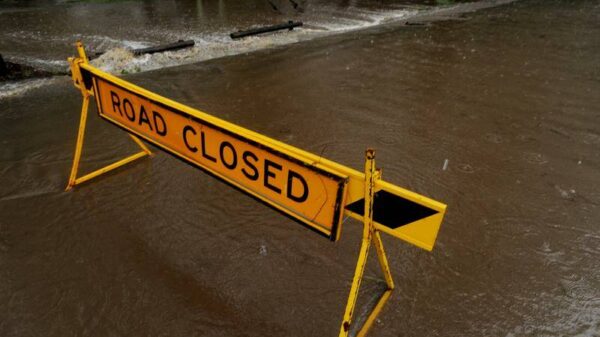
The extreme weather resulted from a tropical storm, leading MetService to issue a rare red weather warning due to the “threat to life” in multiple regions. The storm has affected vast areas of the North Island, starting in Northland on Wednesday. Residents in Oakura described flooding conditions as the worst they have seen in fifty years, while parts of Tairawhiti are currently underwater.
Community Resilience in the Face of Disaster
In a harrowing account, a family of seven in Te Araroa spent several hours on the roof of their home as floodwaters rose around them. “My children were screaming and crying, and we were all in shock… I was completely distressed and kept begging for a helicopter,” said Huia Ngatai, reflecting the anguish many families are experiencing during this crisis.
There are also concerns for a man in his forties who was swept away in his car during the flooding in the Mahurangi River, north of Auckland. Fortunately, a passenger was able to escape to safety.
This week’s severe weather alert marks the first rain-related red warning in the same area since Cyclone Gabrielle struck in early 2023, which resulted in 11 fatalities and caused approximately A$8 billion in damage. The community is now grappling with the aftermath of these latest landslips, as search and rescue efforts continue.
As New Zealand faces the challenges of recovery, the resilience of its communities will undoubtedly play a crucial role in overcoming these devastating events.