Ukraine has reached an agreement with Western partners on a ceasefire enforcement strategy that would see coordinated military responses to any violations by Russia. This development was reported by the Financial Times, which cited sources familiar with the discussions. The plan was formulated during meetings in December and January among officials from Ukraine, Europe, and the United States.
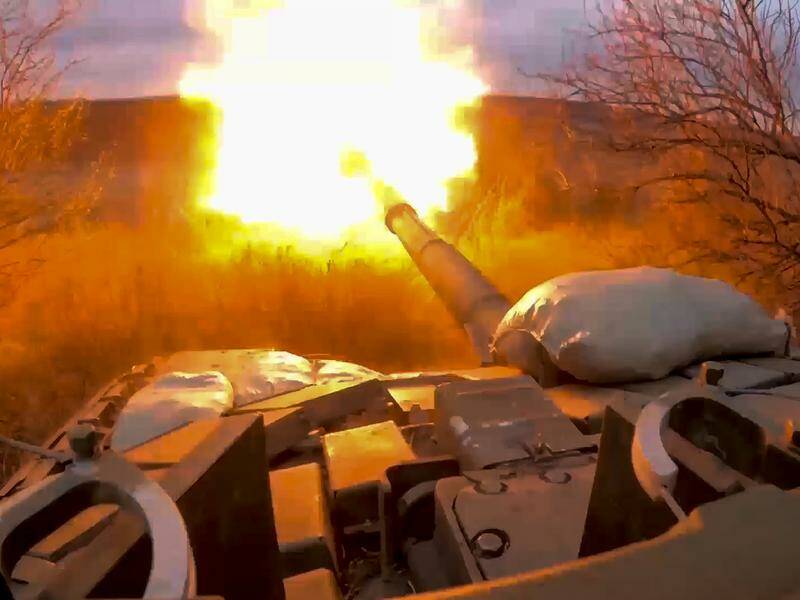
The proposed strategy outlines a multi-tiered approach to address any breaches of a future armistice. Reports indicate that any violation by Russia would trigger a response within 24 hours, beginning with a diplomatic warning. Should the situation escalate, the Ukrainian military would be authorized to take action to halt the violation. If hostilities persist, the plan would escalate to involve forces from a coalition of European allies, including the UK, Norway, Iceland, and Turkey.
In cases of a significant attack, a coordinated response, potentially involving the US military, would commence 72 hours after the initial breach. This framework is expected to be a central topic during talks scheduled for January 30-31, 2024, in Abu Dhabi, where officials from Kyiv, Moscow, and US special envoy Steve Witkoff will convene.
Ukrainian President Volodymyr Zelenskiy expressed optimism about achieving a dignified and lasting peace ahead of these discussions. He indicated that the Ukrainian delegation would also engage in bilateral meetings with US officials during the talks. Zelenskiy emphasized the importance of bilateral security guarantees and further substantive discussions on recovery and economic development.
The Kremlin confirmed the upcoming round of negotiations in Abu Dhabi. In recent updates, Zelenskiy noted that Russian forces had not conducted targeted missile or drone strikes on Ukrainian energy infrastructure in the previous 24 hours. Nevertheless, energy facilities in frontline areas have continued to face attacks.
On the morning of January 30, 2024, Russian forces targeted Kyiv, inflicting damage on apartment blocks and other buildings. Witnesses reported loud explosions, with both missiles and drones being deployed in the attack. Tymur Tkachenko, head of Kyiv’s military administration, reported that various structures, including residential buildings and a commercial establishment, were damaged in districts east of the Dnipro River. In response, Kyiv Mayor Vitali Klitschko ordered emergency medical teams to assist in affected areas.
The situation in other cities has been similarly tense. Ihor Terekhov, mayor of Kharkiv, reported missile and drone strikes targeting his city, while the southeastern Dnipropetrovsk Region also faced attacks, prompting anti-aircraft units to respond in the neighboring Zaporizhzhia Region.
Despite ongoing hostilities, Zelenskiy highlighted that energy repair crews had managed to restore some facilities damaged by previous attacks. He stated, “The energy system is operating stably. However, given the extremely cold weather and the impact of Russian strikes, all challenges remain serious.”
Last week, both Russia and Ukraine announced they had ceased strikes on each other’s energy infrastructure, although they disagreed on the timeframe for the truce. The Kremlin claimed that a personal request from former US President Donald Trump had prompted Russian President Vladimir Putin to hold off on strikes against Kyiv until February 1. In contrast, Zelenskiy indicated that the truce was intended to last one week, commencing on January 30.
As discussions continue, the situation remains fluid, with both sides preparing for potential escalations while seeking avenues for peace.