








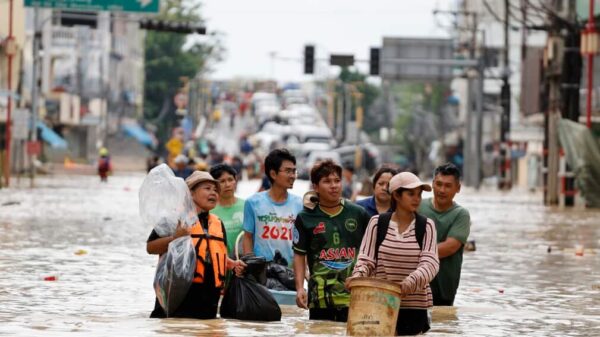



























Climate change is increasingly recognized as a critical factor affecting human health and well-being. Recent reports highlight that its effects extend beyond environmental degradation, influencing mental health, spreading infectious diseases, disrupting livelihoods, damaging food supplies, and forcing families to migrate due to conflict, starvation, or natural disasters.
The 2023 Climate Report, compiled by leading climate scientists, underscores the urgency of integrating health and well-being into climate models. Current models often overlook these vital aspects, focusing primarily on environmental data without accounting for the human cost. This oversight raises significant concerns, especially given that vulnerable populations are disproportionately affected.
Impact on Mental and Physical Health
Research from the World Health Organization (WHO) illustrates a direct link between climate change and mental health issues. Increasing temperatures and extreme weather events can exacerbate anxiety, depression, and other mental health disorders. For instance, communities affected by severe flooding or wildfires frequently report heightened stress levels and psychological trauma.
Moreover, climate change is contributing to the rise of infectious diseases. Warmer temperatures and shifting weather patterns create favorable conditions for pathogens to thrive, leading to outbreaks of diseases such as malaria and dengue fever. The United Nations has noted that these health risks are projected to escalate, particularly in regions already grappling with inadequate healthcare systems.
Food Security and Migration
Food security is another critical area being impacted by climate change. According to the United Nations, changes in climate patterns are expected to reduce agricultural productivity by up to 30% by 2050 in some regions. This decline poses a significant threat to food supplies, particularly in developing countries where agricultural dependency is high.
As food scarcity worsens, families are increasingly forced to migrate. The combination of conflict, hunger, and climate-induced displacement creates a complex web of challenges that directly influences well-being. In 2021, an estimated 23 million people were displaced globally due to climate-related factors, according to the Internal Displacement Monitoring Centre.
The critical question remains: why are these aspects of well-being often sidelined in climate models? The focus on carbon emissions and temperature changes, while vital, necessitates a broader lens that incorporates health and social consequences.
To address this gap, experts argue for models that include health metrics. Such an approach could inform policies that not only combat climate change but also enhance public health outcomes. A comprehensive strategy that recognizes the interconnectedness of environmental health and human well-being is essential for creating sustainable solutions.
In conclusion, as the impact of climate change continues to grow, integrating health considerations into climate models is imperative. By prioritizing the well-being of vulnerable populations, policymakers can better equip communities to face the challenges posed by a changing climate. The time for action is now, as the implications for health, food security, and migration are profound and far-reaching.