



































The Gumbaynggirr Giingana Freedom School (GGFS) in Coffs Harbour, New South Wales, is leading a revival of the critically endangered Gumbaynggirr language. Opened three years ago, this innovative school implements a unique bilingual education model, allowing Indigenous students to engage deeply with their heritage. The school has garnered attention for its approach, which integrates Aboriginal culture into daily learning.
Each morning at GGFS begins with students gathering in a sandpit, where they sing and dance to the rhythm of clapsticks. By 09:30, little English is spoken, as the focus remains on Gumbaynggirr. This immersive environment is designed to foster a robust connection to language and culture. Currently, the school serves Indigenous students from kindergarten through year 8, with a daily language class and weekly lessons on the land.
The revival of Gumbaynggirr can be traced back to the efforts of community elders in the 1980s, who pooled resources to document the language. According to Clark Webb, the chief executive of the Bularri Muurlay Nyanggan Aboriginal Corporation, GGFS was established in response to a failing educational system that inadequately supported Aboriginal students. With a current attendance rate of 88.5%, the school exceeds the national average for all students in Australia.
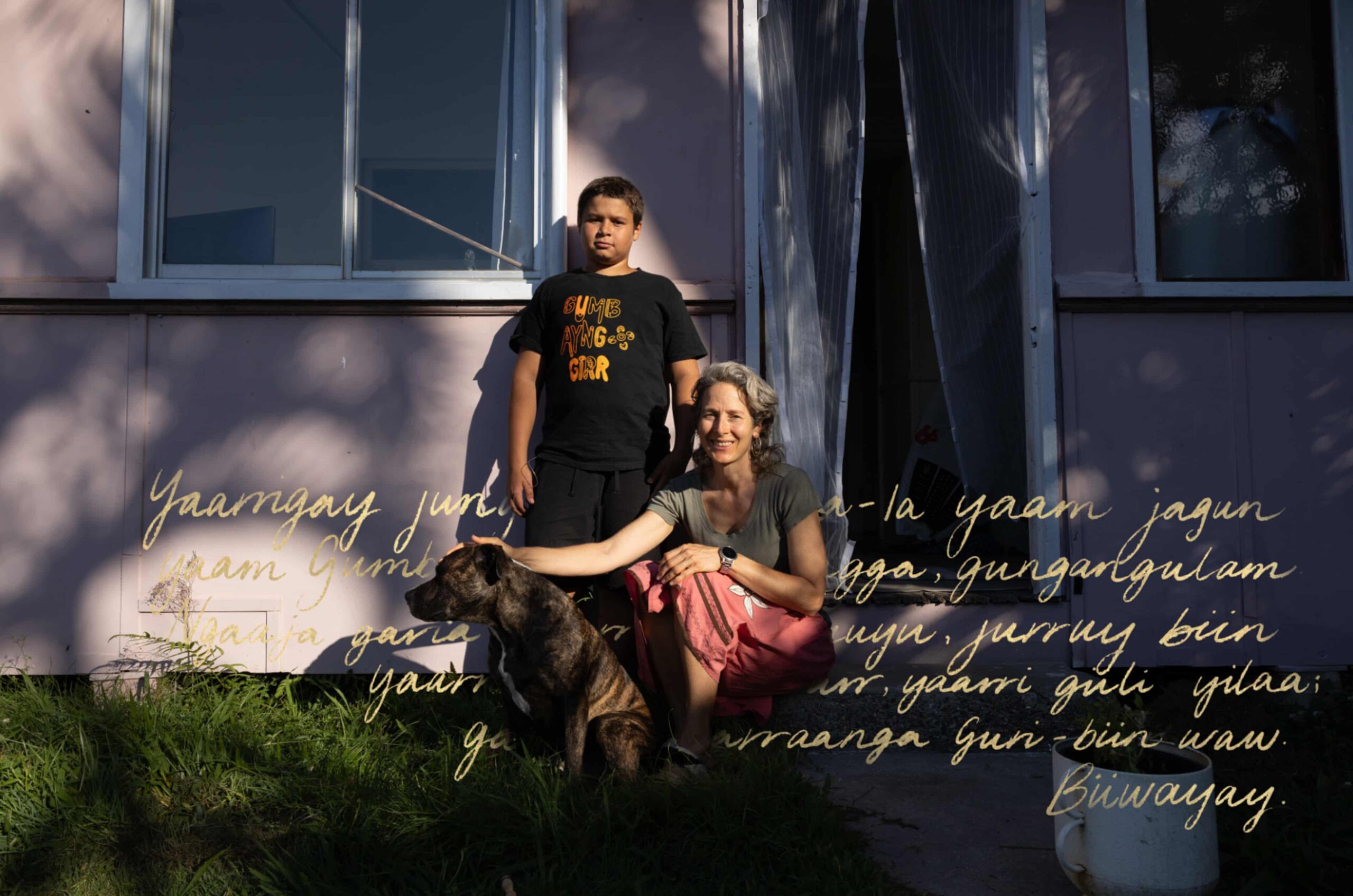
Darruy Briggs, a student at GGFS, exemplifies the positive impact of this educational model. His parents relocated from Queanbeyan to Coffs Harbour to enroll him in GGFS, hoping a culturally relevant environment would ignite his interest in learning. “The difference is like light and day,” Darruy notes, highlighting his newfound confidence and fluency in language.
Parents play an active role in the language revival as well. Courtney Elliott, who works as a paediatric nurse, attends weekly Gumbaynggirr lessons at the Kulai Aboriginal preschool. She describes the experience as enriching and essential for her daughter, Marlarrah. Previously disconnected from her Aboriginal identity, Marlarrah has blossomed since joining GGFS, showing increased confidence and cultural pride.
The school opened with just 15 students but has rapidly grown to an enrollment of 95 for the upcoming year, with many more on a waitlist. GGFS aims to follow models established by Māori schools in New Zealand, striving for full immersion in the language and culture. However, the journey has faced challenges, particularly in recruiting qualified Gumbaynggirr-speaking teachers. Webb emphasizes that despite critics questioning the economic viability of teaching a “dead” language, the success metrics extend beyond academic performance.
Principal Glen Cook has over 30 years of teaching experience and acknowledges the ongoing effort to balance traditional Gumbaynggirr instruction with Western educational methods. He emphasizes the importance of instilling cultural pride among students, which was often absent during his own educational experience.
In nearby Nambucca Heads, the Muurrbay Aboriginal Language and Culture Co-operative is also integral to the language revival. Founded by community elders, it has developed language courses and resources for schools and the broader community. Chief executive Gary Williams recalls the early days of gathering fluent Gumbaynggirr speakers to create a dictionary and other educational materials, which laid the groundwork for current initiatives.
Michael “Micklo” Jarrett, an officer at the NSW education department, is training new Gumbaynggirr educators. He underscores the importance of continual language development, noting that new terms for contemporary items are regularly added to the vocabulary. He has also initiated the Girrwaa Duguula choir, inviting individuals of all ages to learn Gumbaynggirr songs, enriching their connection to the culture.
As GGFS and its associated organizations continue their efforts, the Gumbaynggirr language is not only being revived but is also becoming a vibrant part of daily life for students and their families. This initiative represents a significant step toward cultural renewal and empowerment for Indigenous communities in Australia, fostering a deeper understanding of identity and heritage among future generations.
