



































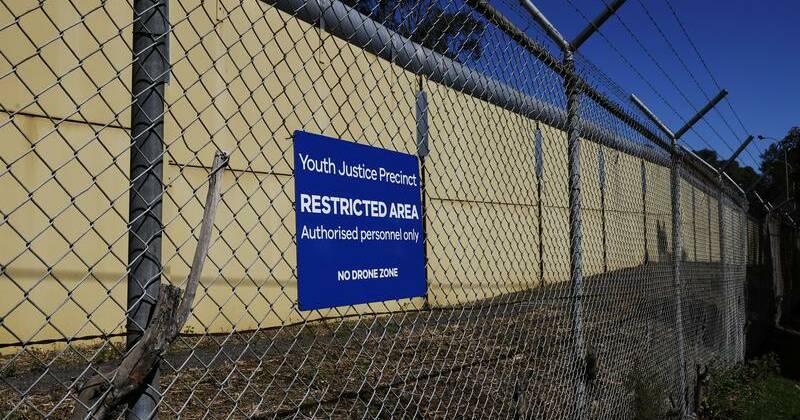
URGENT UPDATE: Advocates are demanding immediate national leadership as a shocking report reveals that children’s rights are being severely eroded by “tough on crime” policies across Australia. New findings indicate that punitive measures, including harsh bail laws and controversial “adult time” legislation, are failing youth and exacerbating systemic issues.
The report, released by Save the Children and 54 Reasons, highlights alarming trends, particularly in states like Queensland and Victoria. It calls on the federal government to implement national standards for youth justice, aligning them with human rights obligations. Chief executive Catherine Liddle of the SNAICC stated, “What they do is erode children’s rights and place more Aboriginal and Torres Strait Islander children into systems that are not designed to support them.”
A significant focus of the report is on the impact of incarceration on young people, especially those from Indigenous backgrounds. Currently, Aboriginal and Torres Strait Islander children are nearly 27 times more likely to be in detention on an average day. Vicki Mau, executive director of 54 Reasons, warns, “We know that locking up children doesn’t reduce crime; it creates more of it.”
The report underscores a critical cycle of reoffending linked to punitive measures. A 16-year-old First Nations boy, referred to as Ethan to protect his identity, shared his experience in detention after breaching bail. “The only way they think is go out, do crime, get locked up and get out again,” he said, reflecting the grim reality faced by many young individuals caught in this system.
Liddle emphasizes that addressing the root causes of crime—such as poverty, trauma, and failures in child protection—is far more effective than incarceration. “Aboriginal and Torres Strait Islander children are 10 times more likely to have been in the child protection system,” she pointed out, highlighting the failures leading to youth justice involvement.
The report advocates for essential reforms, including raising the minimum age of criminal responsibility to 14 years and including young people in decisions that impact their lives. The urgency for reform is undeniable, as the current system continues to fail those it should protect.
As calls for action intensify, the conversation around youth justice is poised to gain momentum. Advocates urge immediate attention from lawmakers to ensure the protection of children’s rights and to implement strategies that foster rehabilitation rather than punishment. The time for change is now, and the stakes couldn’t be higher for vulnerable youth across Australia.
For those needing support, resources are available: call 13YARN at 13 92 76, Lifeline at 13 11 14, or Kids Helpline at 1800 55 1800 for young people aged 5 to 25.
