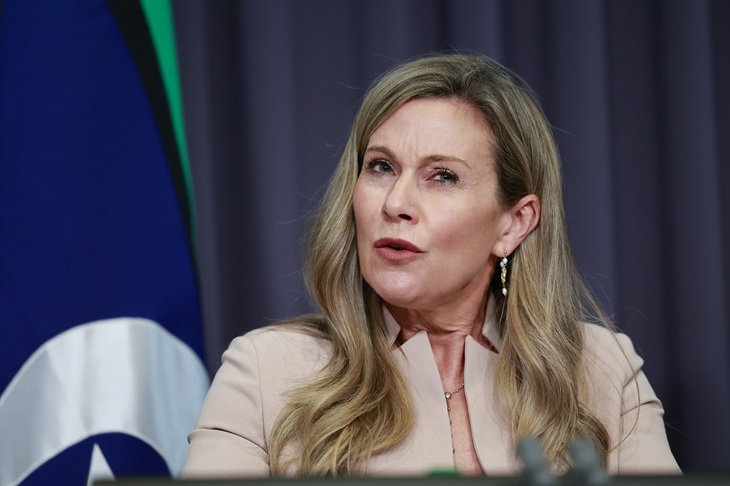
URGENT UPDATE: The eSafety Commissioner, Julie Inman Grant, has just announced a significant crackdown on electric vehicles (EVs), warning that these “smart cars” could be exploited in domestic violence cases. This alarming development raises serious concerns about the safety and regulation of digital vehicles in Australia.
Authorities report an astonishing 20,000 requests for information related to EV abuse, underscoring the urgent need for regulatory action. Grant highlighted the potential misuse of technology in domestic settings, stating, “We’ve seen much more pernicious and creative misuses of technology,” referring to instances where everyday devices are weaponized against partners.
The Commissioner emphasized the chilling possibility of a “kill-switch” scenario, where vehicles could be remotely controlled to restrict movement. In one troubling case, a woman was confined to a limited area due to a remote kill switch in her car. This raises the question: what happens if governments decide to impose restrictions during emergencies?
The implications are staggering. With many EVs being manufactured in China, concerns over national security and third-party shutdowns during conflicts have intensified. Hackers could exploit vulnerabilities, leading to catastrophic outcomes. The potential for lockouts over domestic disputes, without convictions, could create a dangerous precedent.
The push for more stringent regulations comes as the EV market is set to expand rapidly, driven by government incentives and policies aimed at reducing carbon footprints. However, critics argue that this regulatory approach could infringe on personal freedoms and privacy. Grant’s warnings come just ahead of a critical deadline on December 10, when new social media regulations for under 16s will also be implemented.
As EVs become more prevalent, the conversation surrounding their regulation is vital. While the intent to enhance safety is commendable, the consequences of over-regulation could be detrimental. The government must tread carefully, ensuring that measures do not infringe on personal liberties or exacerbate existing issues.
Next steps include monitoring how these proposed regulations will develop and how they might be integrated into existing domestic violence legislation. Stakeholders will be watching closely to see if this marks a turning point in the treatment of digital technology in domestic settings.
As this story unfolds, the implications for consumers and regulators alike will be significant. The urgent nature of this issue demands immediate attention and action—will the government prioritize consumer safety or risk infringing on personal freedoms?
Stay tuned for further updates as this situation develops, and consider sharing this critical news with your network to raise awareness about the implications of the eSafety Commissioner’s latest actions.