



































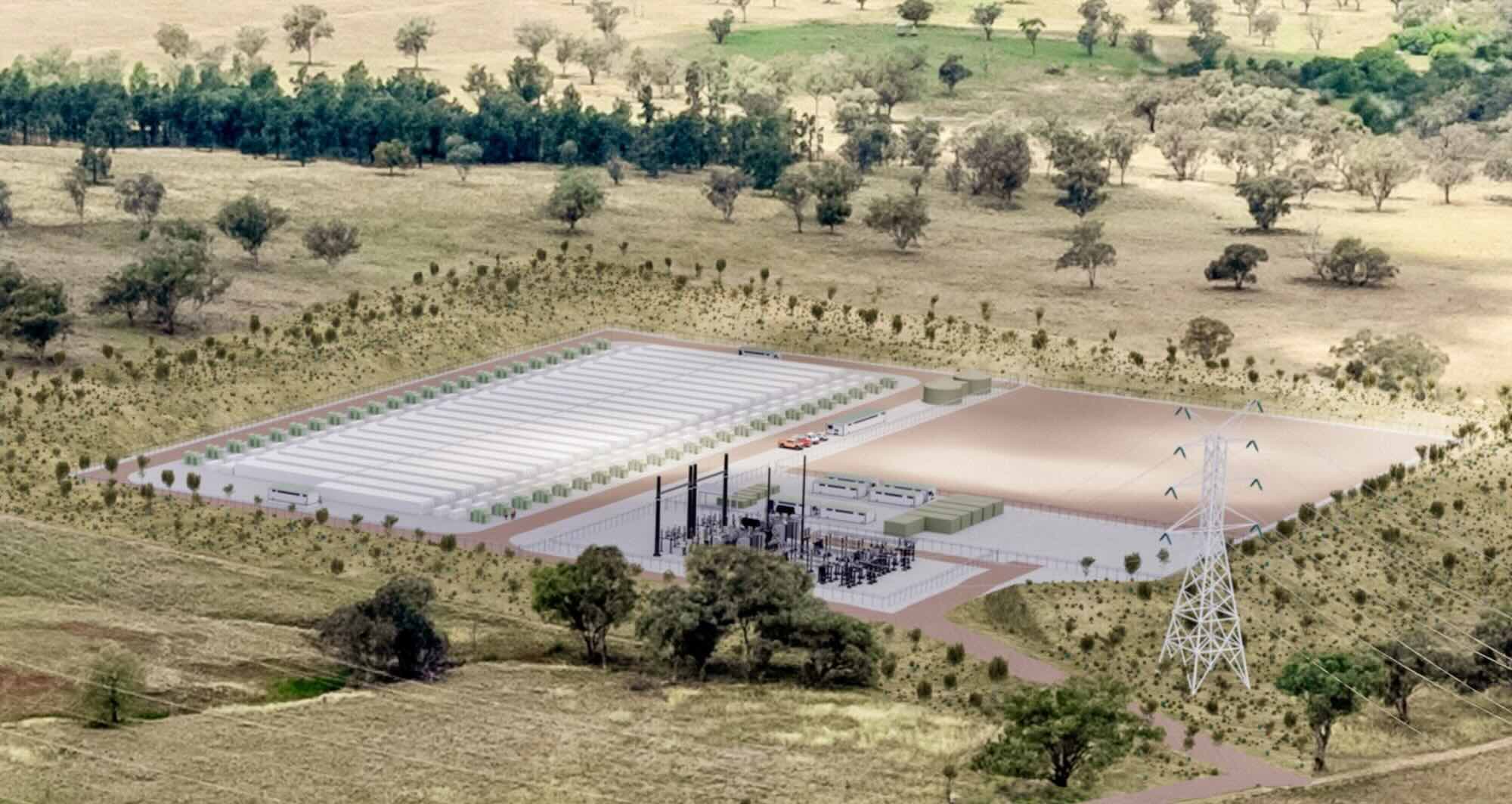
Queensland state-owned energy generator Stanwell Corporation has secured a pivotal deal that grants it exclusivity over the proposed Gladstone State Development Area (GSDA) Energy Hub Project. This initiative aims to establish Australia’s largest battery, boasting a capacity of over 6 gigawatt-hours, as part of a comprehensive strategy to enhance grid resilience.
The agreement, formalized through a Memorandum of Understanding (MoU) with Quinbrook Infrastructure Partners, outlines the development of a multi-technology hub that will integrate renewable energy storage solutions. Specifically, the project envisions a combination of a 780 megawatt battery energy storage system (BESS) with an eight-hour discharge capacity, alongside up to 1,080 megawatts of open-cycle gas turbines. This setup will be located approximately 7 kilometers from Mount Larcom and 25 kilometers from Gladstone.
Innovative Energy Solutions for Queensland
The GSDA Energy Hub Project has been described as a “multi-technology renewables firming and grid resiliency solution.” It is expected to significantly enhance network reliability in Queensland, particularly during peak demand, unplanned outages, or periods of low solar and wind generation. The collaboration between Stanwell and Quinbrook builds on previous discussions regarding the EnerQB BESS, which is touted as the first “true” eight-hour battery, currently being tested at the Stanwell Power Station.
Stanwell’s Chief Executive Officer, Michael O’Rourke, emphasized the importance of this agreement, stating, “This agreement provides Stanwell with exclusivity to negotiate commercial arrangements to facilitate the GSDA Energy Hub Project. As Queensland’s electricity demand increases, our collaboration with Quinbrook positions Stanwell to deliver affordable and reliable energy for years to come.”
Commitment to Renewable Energy Transition
Despite a shifting political landscape regarding energy policy in Queensland, the partnership is seen as a critical step toward a sustainable energy future. Under the previous government’s Queensland Energy and Jobs Plan, the expectation was to retire coal power generation plants by 2035. However, the current Liberal National Party government has indicated intentions to extend the life of ageing coal plants while reducing support for renewable initiatives.
Quinbrook’s Chief Executive Officer, Brian Restall, remarked on the project’s significance, noting that Queensland remains an appealing destination for energy investment despite recent policy changes. “Our ongoing partnership with Stanwell demonstrates our shared commitment to delivering affordable, reliable, and sustainable energy for the Sunshine State,” Restall stated.
The integration of flexible gas turbines with long-duration batteries and synchronous condensers is being positioned as a groundbreaking development for Australia’s National Electricity Market (NEM). This combination aims to provide critical power system services, reinforcing the stability and reliability of the electricity grid.
Alongside the GSDA Energy Hub, Quinbrook is advancing its Supernode battery project near Brisbane, which has already secured contracts for more than 3,000 MWh of capacity, with plans for an additional 250 MW and 2,000 MWh, bringing total capacity beyond 5,000 MWh.
The strategic vision of Quinbrook extends beyond the GSDA project. Managing Partner David Scaysbrook explained that Quinbrook is focused on long-duration infrastructure batteries that can accommodate fluctuating renewable energy production. He noted, “The type of batteries that Quinbrook does are 15- to 20-year contracted to Origin or Stanwell, providing firming and price support against market uncertainties.”
As Queensland navigates its energy transition, the GSDA Energy Hub Project represents a notable shift toward modern energy solutions, combining innovative technology with strategic planning to meet future energy demands without reliance on fossil fuels.
