

































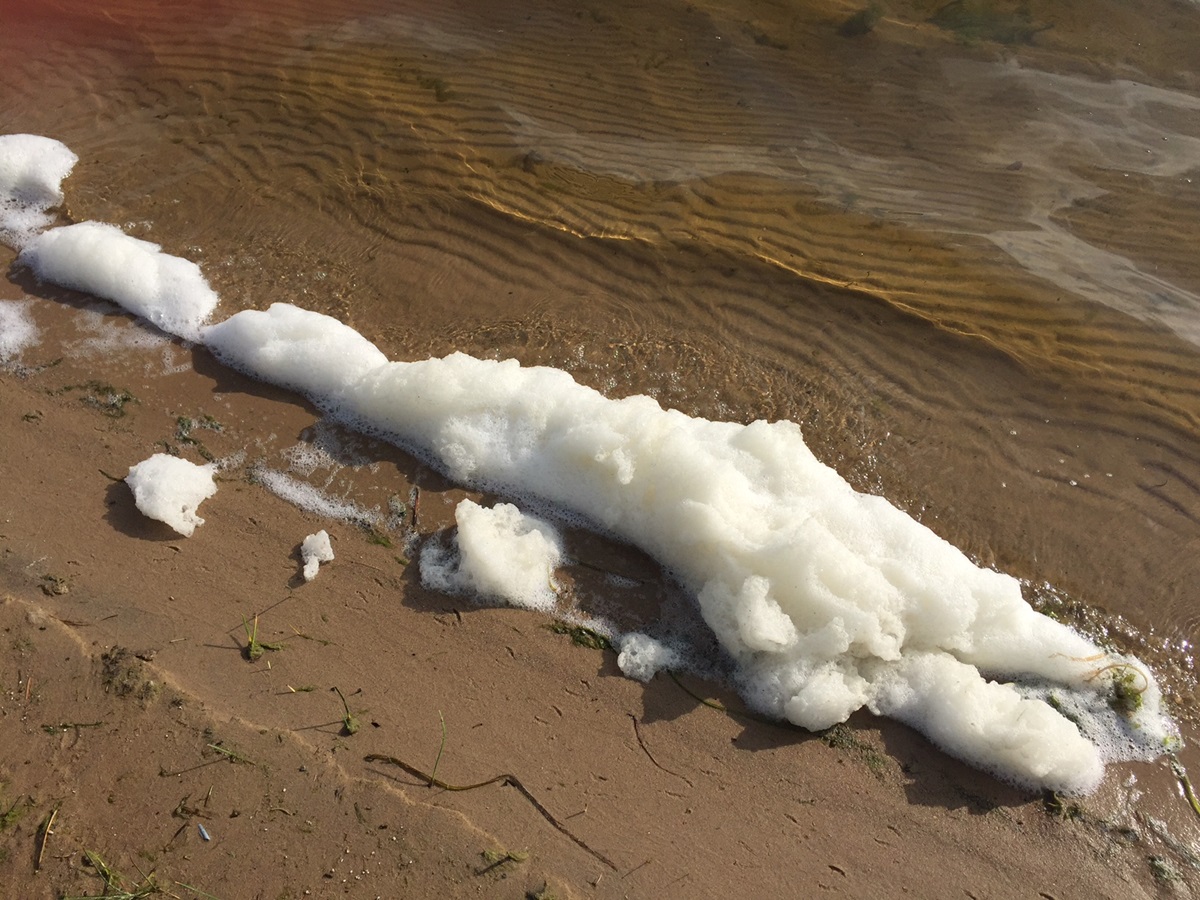
Per- and Polyfluoroalkyl Substances, commonly known as PFAS, are synthetic chemicals that pose significant environmental and health risks due to their persistence in nature. Often referred to as “forever chemicals,” these compounds do not break down easily and have been detected globally, including in remote areas like Antarctica. With over 15,000 variants, PFAS are widely utilized in consumer and industrial products, ranging from non-stick cookware to waterproof textiles and cleaning agents.
The chemical properties that make PFAS valuable for various applications also contribute to their environmental challenges. They are remarkably stable, heat-resistant, and repel both oil and water. Consequently, when released into the environment, PFAS can migrate through air, water, and soil, accumulating in ecosystems and living organisms. This widespread contamination has raised alarms among scientists and regulatory bodies alike.
Understanding the Scale of PFAS Contamination
Dr. Divina Navarro, a Senior Research Scientist, emphasizes the ubiquity of PFAS, stating, “These days we’re talking about PFAS less as a ‘forever chemical’ and more as an ‘everywhere chemical.’” The strong carbon-fluorine bonds inherent in PFAS contribute to their longevity, making it difficult to trace their origins or to remediate contaminated areas.
High concentrations of PFAS have been linked to adverse health effects in humans, plants, and animals. Research has shown that freshwater turtles exposed to elevated levels of these chemicals exhibit increased rates of severe diseases, deformities in hatchlings, and population declines. Ongoing studies in Australia and worldwide aim to identify the concentrations of PFAS that pose greater health risks.
As the problem continues to evolve, innovative solutions are essential for monitoring and remediating PFAS contamination. CSIRO researchers are collaborating with the Department of Defence to study how PFAS behave in the environment, particularly around known hotspots such as military bases and airports where legacy firefighting foams were commonly used.
Detection and Remediation Efforts
Detecting PFAS presents considerable challenges due to the sheer number of variants. Traditional testing methods often require prior knowledge of the chemical composition of the compounds present. Dr. Robert Young, another Senior Research Scientist, explains, “Sometimes, the way that PFAS are manufactured is not very selective, so the products could contain a huge number of different fluorinated compounds.”
In response to these challenges, CSIRO has invested in a new Ion Cyclotron Resonance (ICR) facility in Adelaide, set to become operational in 2025. This advanced facility can detect tens of thousands of chemicals in a single sample, providing a more precise method for identifying PFAS in complex mixtures. The ICR can analyze samples quickly, allowing for rapid response in scenarios like chemical spills.
Addressing PFAS contamination also involves innovative remediation techniques. Current methods include filtering PFAS through granular activated carbon or ion exchange resins to create concentrated waste streams. Principal Research Scientist Dr. Jens Blotevogel notes the importance of targeted approaches, stating, “We can’t remediate the whole world, so we need to be smart and targeted about how we treat PFAS.”
The removal and destruction of PFAS are not only complex but also costly. In areas of high contamination, soil and other materials may be excavated and destroyed. Researchers are investigating various destruction methods, including pyrolysis and gasification, to effectively break down PFAS compounds at high temperatures.
As scientists work to develop these techniques, they must also tackle the emissions associated with thermal treatments. Dr. Blotevogel highlights the need for a comprehensive understanding of the breakdown process, saying, “With all thermal treatments, you need to tackle the emissions.”
International collaboration is crucial in this effort, as researchers from various countries, including the US and Germany, explore promising methods for safely destroying PFAS at scale.
The challenge of PFAS is significant, but with ongoing research, technological advancements, and dedicated efforts from scientists and regulators, the goal of mitigating the impact of these “forever chemicals” is becoming increasingly attainable.