



































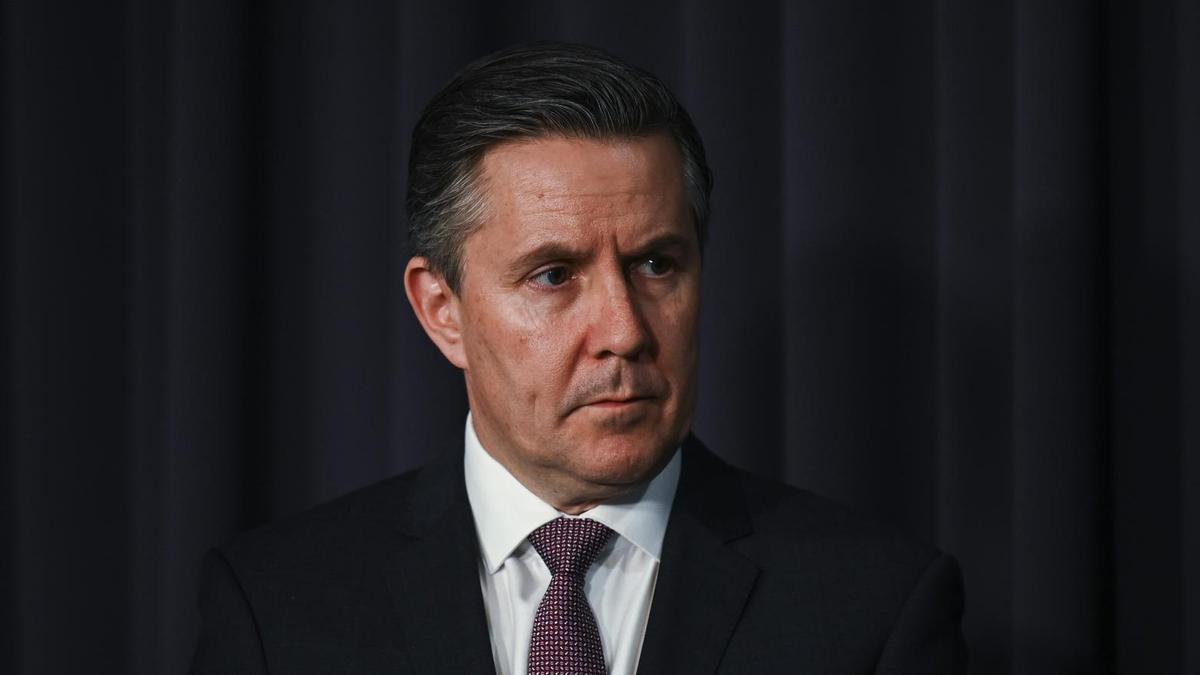
Health Minister Mark Butler has initiated a comprehensive review aimed at curbing the escalating out-of-pocket fees charged by medical specialists, describing the situation as “getting out of control.” During a media briefing in Melbourne on November 1, 2023, Butler emphasized that addressing this issue would be a priority for the Albanese Government in its second term.
Butler stated that “all options are on the table” to tackle the increasing financial burden on patients. Suggestions under consideration include requiring non-GP specialists to publicly disclose their fees and potentially revoking Medicare subsidies for those who impose excessive charges. The government is also preparing to enhance transparency by listing all medical fees on the Medical Costs Finder, a comparison website designed to inform patients about healthcare costs.
The Minister highlighted the disparity in specialist fees, using the example of colonoscopy costs, which can vary significantly. While some surgeons charge no out-of-pocket fees, others may demand payments as high as $800. “The access and affordability for non-GP specialist care is getting out of control,” Butler remarked, criticizing the lack of consistency in fee structures among specialists.
A previous voluntary system encouraging doctors to publish their fees had been ineffective, with only 70 out of approximately 11,000 registered specialists complying. Butler expressed commitment to increasing transparency, stating, “We’re going to publish them for them. We’ve got access to them.” This initiative aligns with the government’s election promise to enhance cost transparency in healthcare.
The Australian Medical Association (AMA) recently released its annual Private Health Insurance Report Card, highlighting the urgent need for improved protection against rising private health insurance premiums. The report noted that premiums have been rising faster than inflation, average weekly earnings, and the indexation of the Medicare Benefits Schedule. AMA President Danielle McMullen stated, “Private health insurance premiums are becoming less affordable for everyday Australians,” indicating that many are downgrading their coverage or dropping it entirely.
Between 2008 and 2024, private health insurance premiums have surged by over 100%, while the indexation of the Medicare Benefits Schedule has increased by less than 20%. Butler acknowledged the need for insurance companies to address their profit margins while keeping premium increases to a minimum. “I do everything I can every year to keep premium rises to the absolute minimum that is necessary to keep the thing viable,” he affirmed.
In addition to addressing specialist fees, Butler promoted the government’s $8.5 billion initiative to overhaul bulk-billing, which took effect on November 1, 2023. Early indications show that the official bulk billing rate for general practitioner visits rose from 77.7% to 81.2% within the first month of the new incentive scheme. Under this plan, general practitioners (GPs) will receive an incentive payment for every patient they bulk bill, expanding the previous focus on children, pensioners, and concession cardholders.
Despite these advancements, initial data suggests a slow uptake among GPs, with only 2,902 signing up for the scheme, of which 1,227 had not previously offered bulk billing. Shadow Health Minister Anne Ruston criticized the government for lacking measurable targets regarding this multi-billion dollar commitment, suggesting that taxpayers are being asked to trust a plan without clear benchmarks.
As the government moves forward with its proposed reforms, the focus remains on ensuring that healthcare remains accessible and affordable for all Australians. Butler’s proactive stance reflects an urgent response to the pressing issues surrounding healthcare costs, aiming to bring greater transparency and accountability to a system that many find increasingly challenging to navigate.
