



































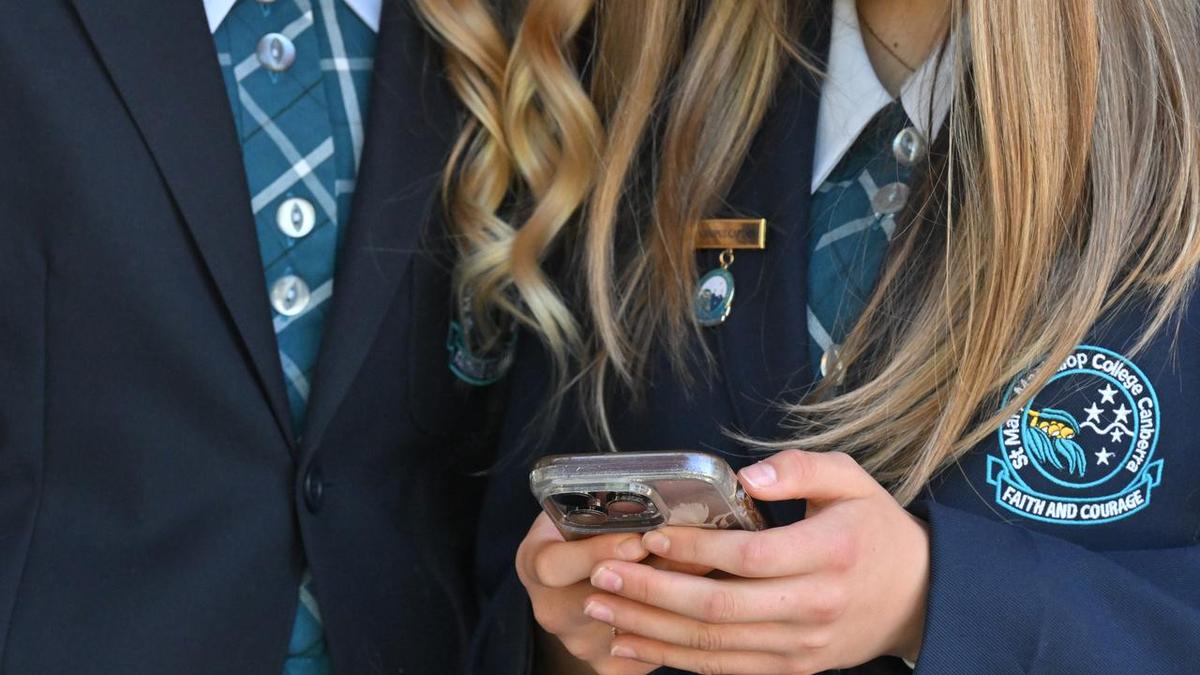
The Australian government has introduced a ban on social media access for users under 16, starting on March 15, 2024. This world-first initiative, led by the Albanese government, aims to protect children from online dangers, including harmful content and “predatory algorithms,” according to Communications Minister Anika Wells. Platforms such as YouTube, Instagram, and Snapchat will be responsible for removing existing accounts of users under this age and preventing new sign-ups.
For many young Australians, including 13-year-old Pippa Martin from Ballarat, the ban is a welcomed change. Pippa expressed relief, stating that she often felt discouraged by the content she encountered online, particularly videos showcasing exceptional skills, like piano performances. “I feel like now I’ll start playing the piano more without my apps,” she shared with AAP. Pippa hopes the ban will help her focus on her interests and foster more meaningful connections with friends.
The legislation comes after a growing concern about the exposure of minors to distressing online material. Pippa recounted a particularly shocking experience when she came across a video of American political activist Charlie Kirk being fatally shot last September. “I found it absolutely disgusting, it didn’t need to be displayed,” she remarked. She anticipates that the ban will reduce her feelings of missing out on events that her peers share online, often leading to “toxic” comparisons.
While many young people support the initiative, there are concerns regarding the verification process required to confirm ages post-ban. Nick Leech, a 15-year-old, expressed his worries about potential data security issues related to the use of ID or facial scanning for this purpose. “I mainly use Snapchat to text and talk to my friends, and I hope this doesn’t make it harder to maintain our long-distance relationships,” he said.
Parents are also weighing in on the impact of the ban. Lizzie Muller, whose daughter is 14, is skeptical about whether the ban will achieve its intended goals. However, she appreciates that it has sparked discussions about the risks associated with social media. “When your kids’ world becomes more and more mediated by social media, it becomes harder as a parent to hold that line,” the Wollongong resident noted. “It’s kind of useful for the ban to be a talking point.”
Notably, platforms like Discord, Messenger, and Pinterest are not included in the ban, as they are primarily used for messaging or gaming. The government has indicated that it remains open to modifying the rules if there is a significant shift in where young people congregate online and if harmful content continues to surface.
For those seeking support, resources are available through organizations such as Lifeline at 13 11 14 and the Kids Helpline at 1800 55 1800, dedicated to assisting individuals aged 5 to 25. As the ban takes effect, it marks a significant shift in Australia’s approach to safeguarding children in the digital landscape.
