



































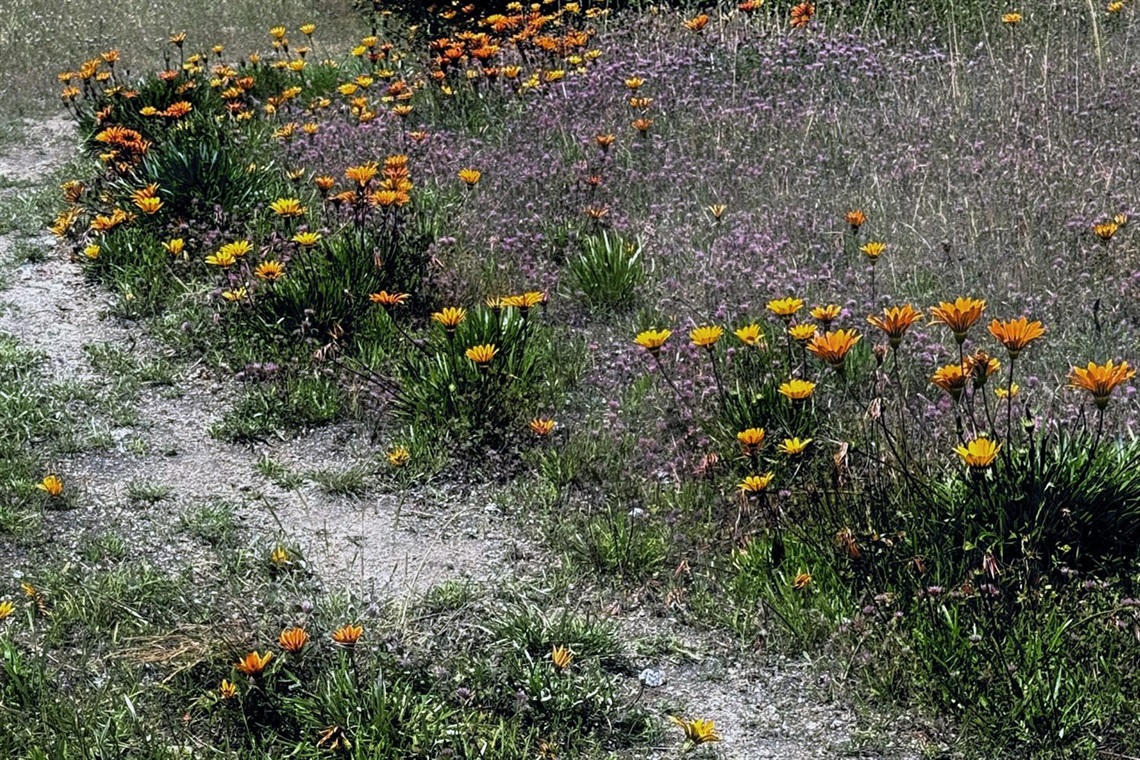
The presence of invasive plants in Australian gardens has raised significant concerns, particularly regarding their impact on local ecosystems. Species like the gazania × splendens, alongside others such as blackberries and willows, pose risks to both the environment and agricultural areas. With close to 30,000 exotic plant species in Australia, the distinction between beneficial and harmful plants is becoming increasingly complex.
Despite being commonly recognized as weeds, many plants that disrupt local flora are not officially classified as such. This gap in regulation stems from a focus on controlling only the most harmful species, leaving local councils with limited resources to combat widespread invaders. In New South Wales, weed legislation prioritizes the eradication of severe threats while often overlooking plants that have already established themselves extensively.
The Rise of Gazanias and Their Impact
Consider the gazania, a hardy plant celebrated for its vibrant flowers. Originally introduced for ornamental use, gazanias have proliferated throughout Australia. Their seeds are easily dispersed by wind, and they can propagate through root systems, making containment challenging. These plants thrive across various environments, from agricultural lands to coastal areas, where they can outcompete native species.
Gazanias exhibit allelopathic properties, meaning they release chemicals that inhibit the growth of surrounding plants. Despite their invasive nature, only South Australia has recognized gazanias as a significant weed, banning their sale. In other states, they remain readily available at nurseries, contributing to their unchecked spread.
The Economic Cost of Invasive Species
The economic implications of invasive plants are substantial. Weeds are estimated to cost Australia approximately $5 billion annually. Shockingly, around 75% of established weed species originated from garden plants. This underscores the importance of gardening choices, as the plants individuals select can have lasting effects on local ecosystems.
To mitigate the spread of invasive species, experts recommend considering non-invasive alternatives before purchasing new plants. Websites like www.growmeinstead.com.au provide resources for identifying suitable plants that do not threaten local environments. Additionally, disposing of garden waste responsibly is crucial to prevent accidental sowing of invasive species in natural areas.
As Australians continue to embrace gardening, awareness of the risks posed by invasive plants is essential. By making informed choices, individuals can contribute positively to their communities and the environment.
