



































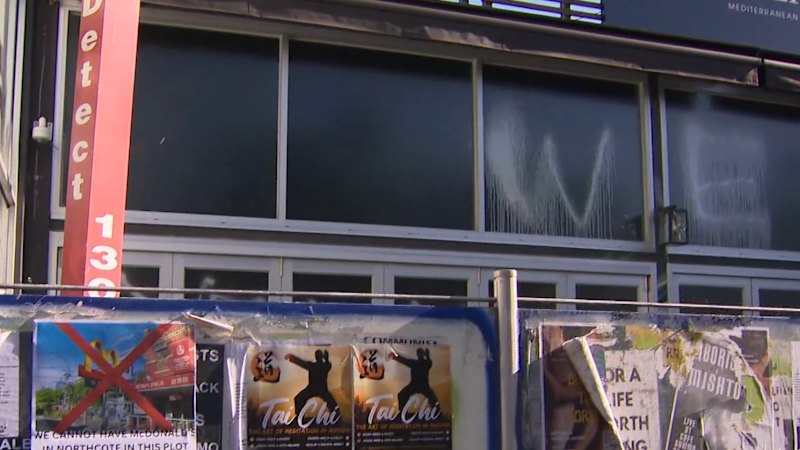
McDonald’s has initiated legal proceedings against the City of Melbourne concerning its proposal for a new 24-hour outlet. This move is part of an ongoing dispute with local residents who have expressed significant concerns about the potential impact of the store on their community.
The fast-food giant seeks to appeal a recent decision made by the Victorian Civil and Administrative Tribunal which rejected its application for the extended operating hours. According to McDonald’s, the store, which is planned for a busy intersection in the heart of Melbourne, aims to cater to local demand for late-night food options.
Residents have voiced their apprehensions regarding noise, increased traffic, and potential disturbances throughout the night. Community feedback has played a crucial role in the tribunal’s decision, leading to heightened tensions between the fast-food chain and those living nearby.
In a statement released on December 5, 2023, McDonald’s expressed its commitment to addressing community concerns while also emphasizing the importance of providing convenient services to customers. “We believe that a 24-hour location will enhance customer satisfaction and cater to the needs of our diverse clientele,” the statement read.
The legal action will now progress through the courts, where McDonald’s will argue that the tribunal’s decision fails to adequately consider the broader community benefits that a 24-hour outlet could bring. Observers suggest that this case could set a precedent for future applications by businesses seeking extended operating hours in urban areas.
Local residents maintain that their quality of life could be compromised if the outlet is allowed to operate around the clock. They have organized petitions and community meetings to voice their concerns, demonstrating a united front against the planned store.
As this legal battle unfolds, both sides appear determined to present their cases. McDonald’s aims to reinforce its position as a customer-centric business, while residents continue to advocate for the preservation of their community’s tranquility. The outcome of this case will likely influence similar disputes in Melbourne and beyond, reflecting the ongoing clash between commercial interests and residential well-being.
The case is expected to draw attention from various stakeholders, including urban planners and local government officials, as it involves balancing economic development with community standards. As the legal proceedings commence, the implications for both McDonald’s and the residents of Melbourne remain to be seen.
