Members of Parliament have returned to Canberra as political tensions escalate due to leadership challenges and rising interest rates. The latest polling data indicates a significant surge for the One Nation party, which could impact the dynamics of the current government.
The federal representatives are reconvening to address pressing issues, including economic policies and the implications of recent interest rate hikes. These developments come as the Reserve Bank of Australia increased rates for the fourth consecutive month, raising concerns among constituents about the cost of living. The latest rise brought the rate to a decade-high of 4.35%, prompting widespread anxiety regarding household budgets and spending.
One Nation, led by Pauline Hanson, has capitalized on the growing discontent, emerging as a formidable force in recent polls. A survey conducted by Newspoll shows the party’s support climbing to 12%, a notable increase that positions them as a serious contender in the political landscape. This shift indicates a potential challenge for the ruling coalition, which must now contend with rising dissatisfaction among voters.
Political Landscape Shifts
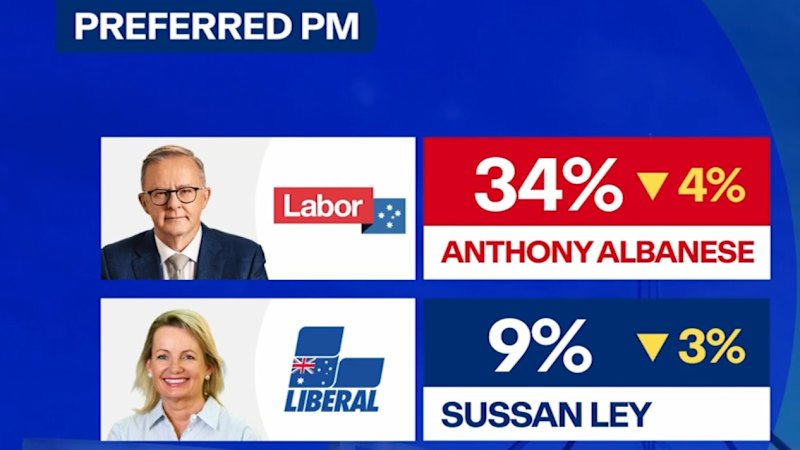
The return to Parliament follows a turbulent period marked by speculation over leadership changes within the major parties. Reports suggest that internal divisions may lead to further instability, especially as the government grapples with economic pressures. Prime Minister Anthony Albanese faces mounting scrutiny regarding his administration’s handling of inflation and budgetary concerns.
Political analysts indicate that the growing popularity of One Nation may force other parties to reassess their strategies. With state elections on the horizon, the impact of One Nation’s ascent could reverberate through future electoral outcomes.
In addition to leadership challenges, the federal government must address the implications of the interest rate increases on various sectors. Economists warn that higher rates could stifle consumer spending and investment, which are crucial for economic recovery post-pandemic. The government is expected to present measures aimed at mitigating these effects in the upcoming parliamentary sessions.
Public Sentiment and Future Implications
As MPs settle back into their roles, the sentiment among the public appears increasingly critical. A growing number of Australians express frustrations over the rising cost of living, with many calling for more decisive action from their elected representatives. The political climate suggests that both major parties will need to recalibrate their approaches to regain the trust of voters.
The political landscape in Australia remains fluid, with ongoing developments likely to shape the trajectory of the government’s agenda. As the session progresses, the challenges of leadership stability, economic pressures, and public sentiment will play crucial roles in determining the effectiveness of the current administration.
In conclusion, the return of MPs to Canberra signals a pivotal moment in Australian politics. With leadership tensions mounting and economic challenges on the rise, the coming weeks are set to be critical for the federal government, particularly as they navigate the complexities of a changing political environment and the surging presence of One Nation.