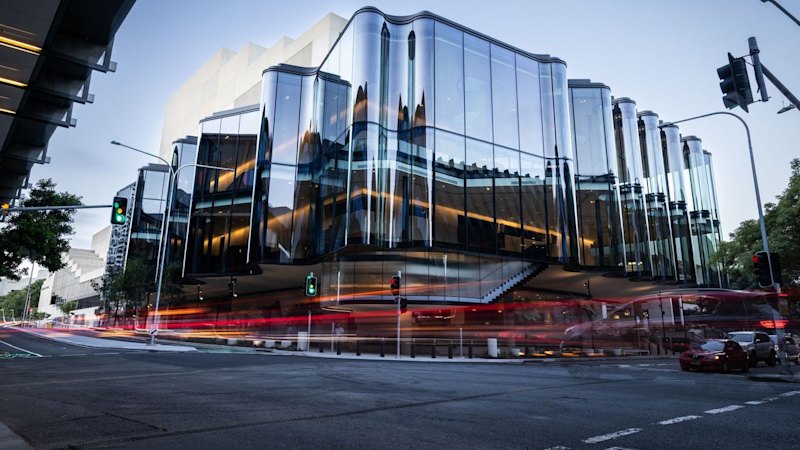
The Queensland Government has officially approved the name “Glasshouse Theatre” for the new venue at the Queensland Performing Arts Centre (QPAC) without first allowing public input on this decision. This move has sparked concern among community members who were expecting a more participatory approach in naming the theatre.
The announcement regarding the naming of the theatre was made several months ago, prior to the public having an opportunity to weigh in. Critics argue that the decision undermines the spirit of community engagement that such projects typically promote. In a notable omission, a significant recommendation regarding the theatre’s name was left off the ballot presented to the public, raising questions about transparency and governance.
Community Response and Implications
Community leaders and members have voiced their disappointment over the government’s decision. Many feel that naming a cultural institution should involve input from those it serves. The public was initially led to believe that their opinions would be considered, making the government’s unilateral decision seem dismissive.
The Queensland Government defended its actions by highlighting the “marketability” of the Glasshouse Theatre name. Officials believe that a strong brand is essential for attracting visitors and promoting events at the new venue. This perspective underscores a growing trend in which market considerations increasingly influence cultural projects.
Critics point to the importance of community identity in the naming process. The omission of a key recommendation from the public ballot is seen as a missed opportunity to engage with the community. As the theatre prepares to open, the government may face ongoing scrutiny regarding its decision-making process.
Looking Ahead
As the Glasshouse Theatre approaches its opening date, the Queensland Government will likely need to address community concerns. Engaging with local stakeholders could help mitigate backlash and foster a sense of ownership among potential patrons.
In addition, the state might consider revisiting its approach to public consultations for future projects. Ensuring transparency and inclusivity may not only enhance the credibility of government decisions but also strengthen community ties.
The Glasshouse Theatre is poised to become a central part of Queensland’s cultural landscape, yet how it navigates these early challenges will set a precedent for future state-run initiatives. The government’s commitment to balancing market interests with community involvement will be crucial as it moves forward.