Australian grain growers in medium and high rainfall zones will soon benefit from enhanced water management strategies through a significant national initiative. The project, backed by a $6.5 million investment from the Grains Research and Development Corporation (GRDC) and led by Pinion Advisory, aims to address challenges posed by waterlogging, runoff, and evaporation over a span of 5.5 years.
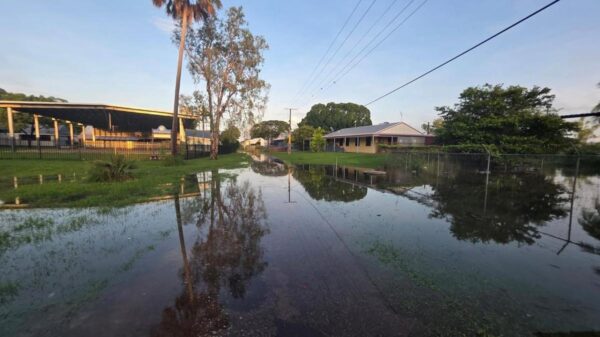
Excessive water runoff can lead to erosion and depletion of essential nutrients in crops, while waterlogging can suffocate plant roots and increase the risk of disease. The initiative seeks to provide practical, regionally tailored solutions to help growers manage excess water, improve paddock trafficability, and ultimately enhance crop yields.
Collaborative Approach to Water Management
The project will establish new trial sites across northern, western, and southern grain production regions in Australia. Jo Jones, project lead from Pinion Advisory, emphasized the importance of collaboration with growers and drainage providers to ensure the project’s effectiveness.
“Once established, the project will collect data on the effect of drainage on crops and the environment, along with the associated costs and benefits,” Jones stated. The goal is to develop new guidelines, case studies, and decision support tools to empower growers to make evidence-based decisions regarding drainage and land-forming methods.
According to Rowan Maddern, Manager of Sustainable Cropping Systems at GRDC, the project directly addresses the needs of growers. He noted that known techniques, such as land-forming with heavy machinery and the installation of sub-surface drainage, have proven effective in improving both surface and sub-surface drainage.
“GRDC investments through the National Grower Network (NGN) have shown that these methods can lead to significant profit gains in areas prone to waterlogging,” Dr. Maddern explained. Despite the potential benefits, he acknowledged that the upfront costs of implementing these solutions can be substantial, necessitating more accessible information for growers.
Research Trials and Regulatory Support
The initiative will include large-scale research trials and demonstration sites in regions where waterlogged soils are a persistent issue. Through the project’s multi-season approach, the impact of various drainage systems will be analyzed across different cropping systems, highlighting both the benefits and challenges of each option.
Furthermore, the project will conduct a review of relevant Commonwealth, state, and local government legislation to assist growers in understanding the legal implications of implementing drainage and land-forming solutions. Dr. Maddern remarked, “Growers face a complex landscape when it comes to water management. This project will equip them with the information necessary to navigate regulatory requirements while aligning with their business and sustainability objectives.”
To ensure that the outputs of the project are relevant and widely adopted, a diverse reference group comprising research organizations, government agencies, technical experts, and grower representatives will provide guidance throughout the initiative.
This comprehensive approach, spearheaded by the GRDC and in partnership with Ag Logic, Farmanco, and Premier Ag Consultancy Group, signifies a vital step forward in enhancing water management practices for Australian grain growers.