







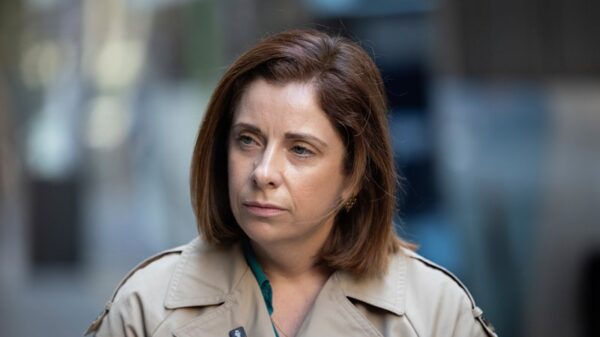


















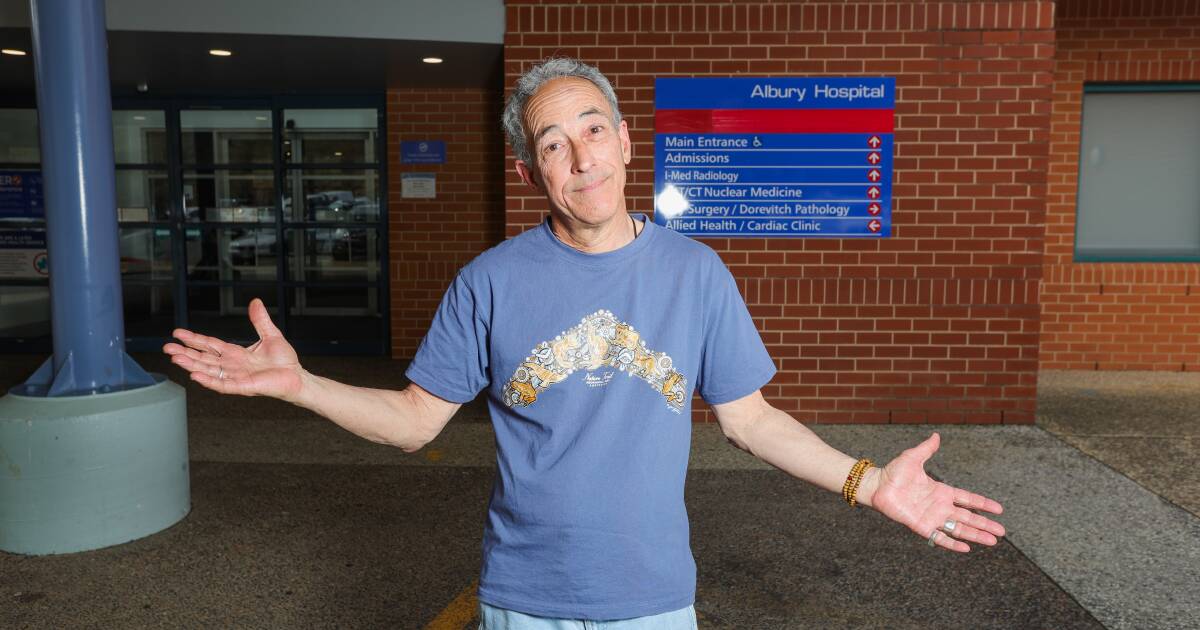
The New South Wales (NSW) Mental Health Minister, Rose Jackson, has expressed serious concerns regarding the removal of mental health counsellor Anthony Perrone from a working group associated with the Albury Wodonga Health hospital redevelopment. This development follows a letter Perrone received on June 17, 2024, indicating that his application to join the lived and living experience consumer working group would be discontinued due to his public criticism of the project.
Perrone had aimed to contribute to a group established to facilitate consumer input in the hospital upgrade. However, he received an anonymous letter from Albury Wodonga Health stating that he needed to advocate for the project and promote its “benefits and outcomes.” The letter referenced a media publication that raised concerns about the redevelopment, suggesting that this criticism warranted his removal from the group.
In response to his exclusion, Perrone sought clarification from Albury Wodonga Health but reported receiving no satisfactory explanation. He had previously written an article for The Border Mail in August 2024, which highlighted the need for children’s mental health services in the context of the redevelopment.
Rose Jackson addressed Perrone’s concerns in a letter sent on November 28, 2024, stating, “I was deeply concerned to read your correspondence regarding your removal from the lived and living experience consumer work group.” She emphasized that the exclusion of any member for expressing criticism undermines the collaborative nature of service design, stating, “Criticism, even when difficult, is a vital part of co-design.”
As a result of Perrone’s situation, Jackson has taken steps to advocate for his reinstatement. She has made representations to the Victorian Minister for Health and has contacted the chief executive of Albury Wodonga Health to express her views and request a reconsideration of the exclusion policy.
The timing of Jackson’s intervention coincided with her appearance before a NSW parliamentary budget estimates committee, where she was questioned about the situation by Amanda Cohn, a Greens MP from Albury. Cohn noted that Albury Wodonga Health had not been responsive to her concerns, highlighting the limitations of the NSW government in directing the actions of a service administered by Victoria.
Perrone has called for a stronger representation of the interests of NSW citizens, stating, “They’re playing politics and I’ve had enough of politics.” He believes a realignment of health services to focus more on New South Wales would be beneficial, suggesting that closer ties with Wagga Wagga could enhance service delivery. “We need to start looking more at NSW,” he asserted, indicating that the current alignment with Wodonga may not serve the best interests of the local population.
This ongoing situation raises important questions about the role of consumer feedback in public health initiatives and the potential implications for stakeholder engagement in future projects. Jackson’s commitment to addressing these concerns reflects a broader recognition of the need for transparency and accountability in health service planning.