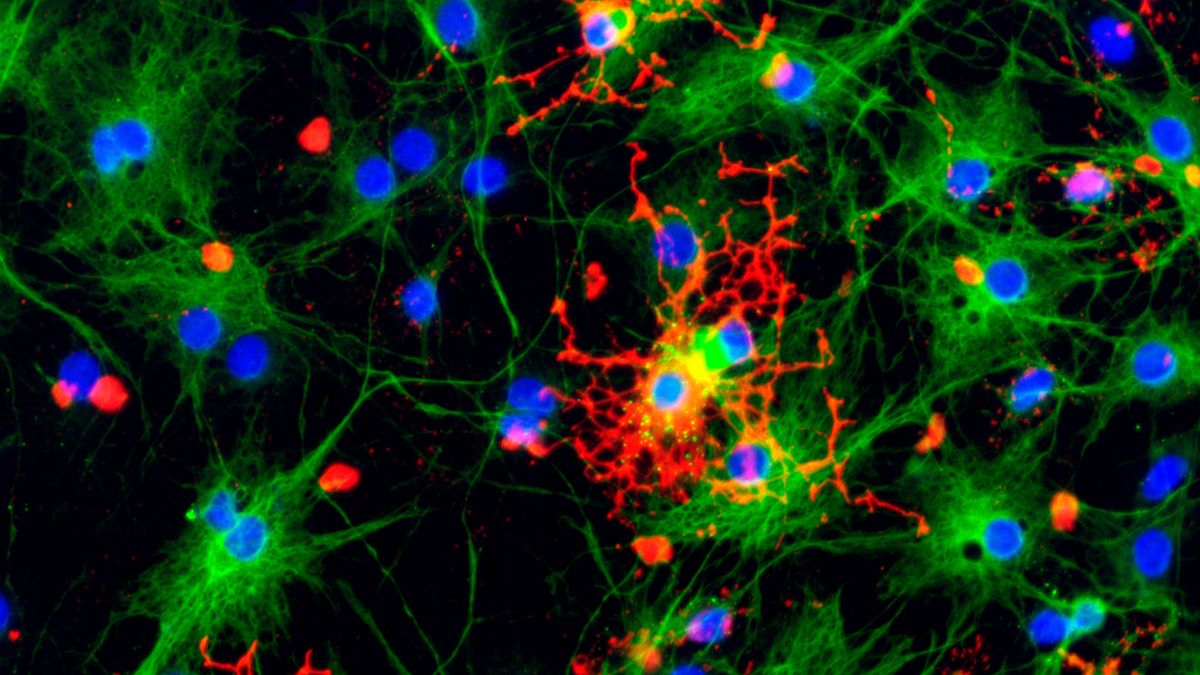
A recent study conducted by researchers at the University of Alberta has uncovered significant findings regarding prion-like brain damage, revealing that this condition can arise without the presence of infectious prions. This discovery has crucial implications for understanding neurodegenerative diseases such as Alzheimer’s, where similar brain damage occurs.
The study, published in 2023, challenges the long-held belief that prion diseases are solely caused by infectious agents. Researchers, led by Dr. Mark Zabel, found that abnormal forms of the tau protein can induce damage akin to that caused by prions, even in the absence of infectious prions themselves. This marks a pivotal turn in the study of neurodegeneration and raises important questions about the underlying mechanisms of various brain disorders.
Understanding the Mechanisms Behind Brain Damage
The research team utilized animal models to demonstrate how tau protein misfolding can lead to the same neurotoxic effects previously attributed only to prion infections. The findings suggest that the propagation of tau aggregates in the brain could lead to the spread of neurodegeneration, similar to that observed in prion diseases.
Dr. Zabel emphasized the importance of this research in a statement, noting, “Understanding that prion-like mechanisms can occur without infectious prions opens new avenues for therapeutic strategies.” The study indicates that targeting tau protein aggregation may provide a new pathway for treating conditions like Alzheimer’s and other related disorders.
Moreover, this research aligns with the ongoing efforts by organizations such as the National Institutes of Health, which have been investing in understanding the complex interactions between various proteins in neurodegenerative diseases.
Implications for Future Research and Treatment
The implications of this study extend beyond theoretical knowledge. It calls for a reevaluation of existing diagnostic criteria for neurodegenerative diseases. If prion-like damage can occur without infectious agents, this could transform how clinicians approach treatment and prevention strategies.
As the scientific community continues to grapple with the complexities of brain disorders, findings like these underscore the need for further research. Understanding the role of tau protein in neurodegeneration not only enhances the knowledge base but also paves the way for innovative therapies that could change the lives of millions affected by such conditions.
In summary, the study from the University of Alberta serves as a vital reminder of the intricacies of brain health. By highlighting non-infectious pathways to prion-like damage, this research not only broadens the horizon of scientific understanding but also emphasizes the urgent need for continued exploration in the field of neurodegenerative diseases.