































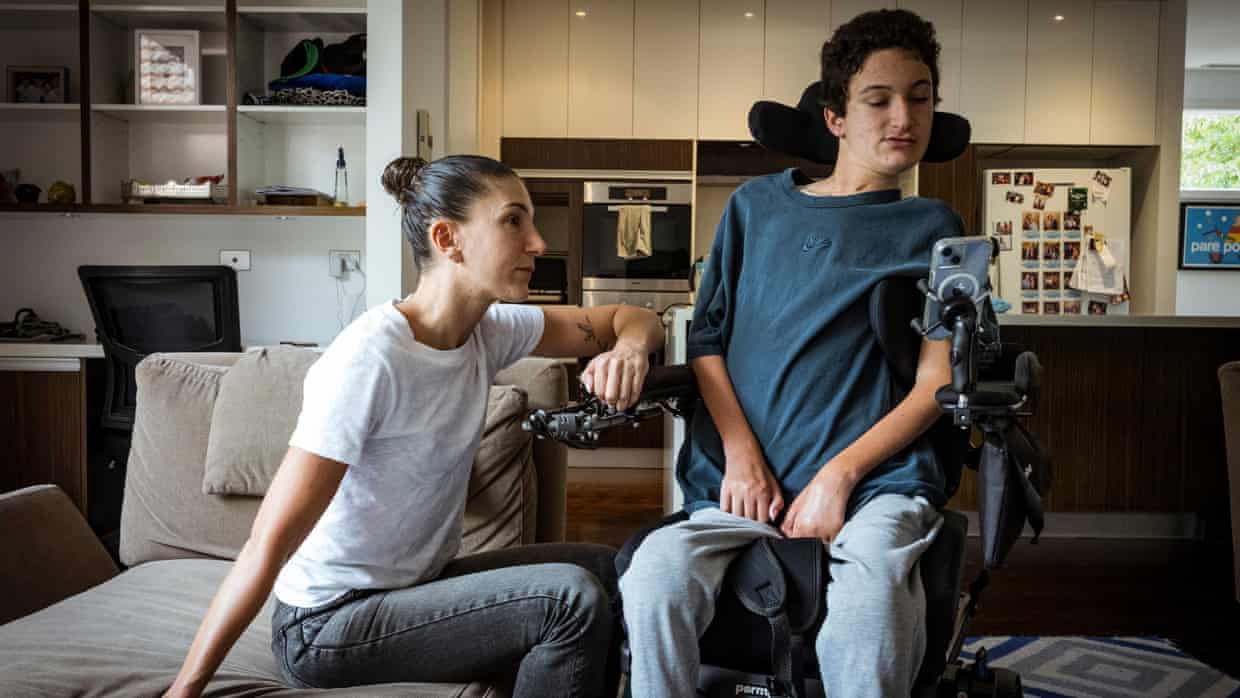
When the Australian government announced a ban on certain social media platforms, many users expressed their concerns. Among them is Ezra Sholl, a 15-year-old quadriplegic who believes the ban will exacerbate his feelings of loneliness. Having been diagnosed with Hodgkin’s lymphoma at the age of 12, Ezra’s life took a dramatic turn, leading to his current challenges with mobility and social interaction.
Ezra’s journey began after he woke up from a medically induced coma, facing not just health issues but also the emotional toll of his diagnosis. Now, as a teenager living with quadriplegia, he relies heavily on social media to connect with friends and find a sense of community. For him, these platforms are not just tools for communication; they are lifelines that bridge the gap between his physical limitations and the outside world.
Social Media’s Role in Connection
Ezra explains that social media has played a crucial role in combating his isolation. The ability to share his experiences and interests with others has fostered a sense of belonging that he finds essential. “It’s my way of communicating with the world,” he stated in a recent interview. “Without it, I feel like I would be even more alone.”
The ban on social media in Australia has raised significant concerns among various groups, including advocates for people with disabilities. They argue that such restrictions could negatively impact individuals who rely on digital platforms for social interaction and support. Ezra is one of many who fear that the loss of these connections could lead to increased feelings of isolation, particularly for those with limited mobility.
Ezra’s situation highlights a broader issue regarding access to social media for vulnerable populations. While the government cites safety concerns and the need to protect users from harmful content, many argue that the benefits of connection and community far outweigh the potential risks. The emotional and social implications of losing these platforms are especially profound for those like Ezra, who have already faced significant life challenges.
The Importance of Advocacy
Ezra’s story is a poignant reminder of the importance of advocacy for disability rights and mental health. As people with disabilities navigate a world that often overlooks their needs, the ability to connect with others online can be a powerful tool for empowerment. Advocacy groups stress the need for balanced approaches to online safety that do not compromise the social well-being of individuals who rely on these platforms for support.
The Australian government’s decision to implement a social media ban has sparked a nationwide conversation about the impact of digital connectivity on mental health and social inclusion. In a society increasingly reliant on technology, finding solutions that protect users while allowing them to maintain vital connections is crucial.
Ezra Sholl’s experience serves as a compelling case for the need to listen to the voices of those directly affected by such policies. As discussions continue, the hope is that policymakers will consider the diverse perspectives of all citizens, particularly those with unique challenges, to ensure that no one is left behind in the digital age.