


























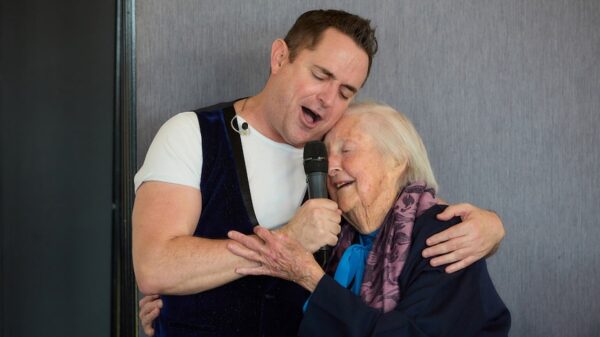


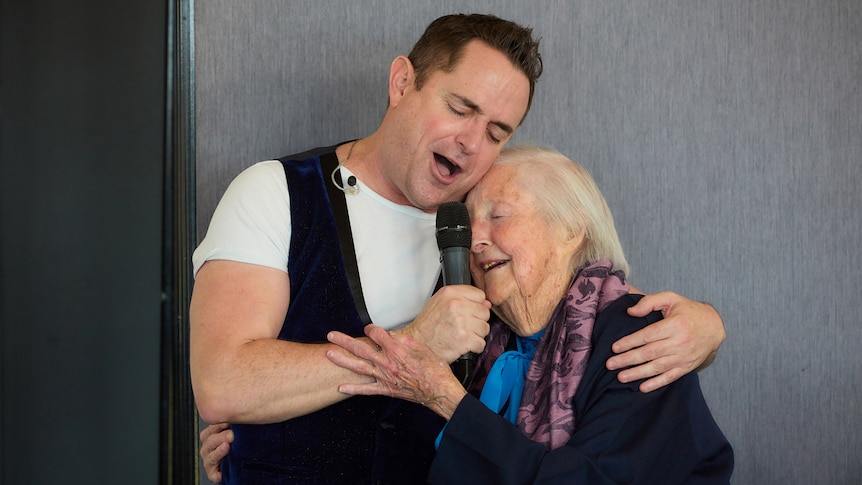
Concerns are rising regarding the reduction of live entertainment in aged care centres across Australia. Advocates for older Australians and performers emphasize that the increasing popularity of leisure activities, such as virtual reality, may be contributing to this decline. They argue that the unique human connection provided by live performances is irreplaceable and essential for the well-being of elderly residents.
A prominent performer, John Smith, who has dedicated over a decade to entertaining in aged care facilities, states that the emotional resonance of live music and theatre cannot be replicated by technology. “When I perform, I see smiles, laughter, and even tears. Those moments are vital for these residents,” he explains. His sentiments echo the views of many in the industry who believe that personal interaction is crucial for combating loneliness among seniors.
Impact of Technology on Traditional Entertainment
As new forms of entertainment become more accessible, aged care centres are increasingly incorporating virtual reality experiences into their programming. While these modern technologies can offer stimulating experiences, they often lack the personal touch that comes with live performances. Mary Johnson, an advocate for aged care, warns that reliance on technology could diminish the quality of life for many residents. “It’s not just about entertainment; it’s about connection and community,” she asserts.
Research indicates that social isolation is a pressing issue among older Australians. According to a report by Australian Unity, around 30% of seniors in aged care feel lonely on a regular basis. This statistic highlights the urgent need for programs that foster interpersonal relationships, which live performances inherently provide.
Moreover, the financial aspect cannot be overlooked. Aged care facilities are often faced with budget constraints, leading them to prioritize less expensive virtual activities over live entertainment. Smith points out that while virtual reality may seem cost-effective initially, investing in live performances can yield long-term benefits for the mental and emotional health of residents.
Advocacy Efforts and Community Engagement
In response to these concerns, advocacy groups are calling for greater awareness and support for live entertainment in aged care. Initiatives are being launched to encourage community engagement, bringing local artists into facilities to perform. These efforts aim to highlight the importance of maintaining a vibrant cultural environment for seniors.
“We need to remind decision-makers that live performances are not just an expense; they are an investment in the well-being of our elderly population,” Johnson states. The push for policy changes is gaining momentum, with several organizations advocating for increased funding for live entertainment in aged care centres.
As the debate continues, the future of live entertainment in these facilities hangs in the balance. The ongoing discussions underscore the need for a balanced approach that values both modern technology and the irreplaceable human connection that live performances offer.
In conclusion, while virtual reality and other digital innovations offer new ways to engage seniors, the unique benefits of live entertainment should not be overlooked. As Australia moves forward, it is crucial to ensure that older Australians have access to experiences that enrich their lives and foster meaningful connections.