





















The recent shooting at Bondi Beach has left a devastating impact on the Jewish community, with 15 individuals, including a 10-year-old girl and an elderly Holocaust survivor, dead. This tragic event occurred as families gathered to celebrate Hanukkah, marking a stark contrast to the usual festive atmosphere. In the wake of the attack, community leaders express profound anger and fear, prompting many to consider relocating overseas.
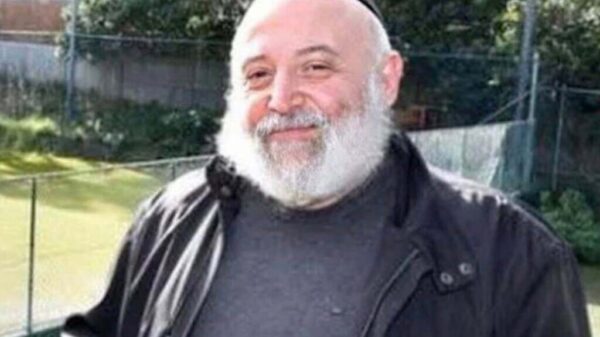
On the third day following the attack, Rabbi Eli Schlanger, a respected figure within Sydney’s Jewish community, was laid to rest. Mourners gathered at the synagogue, built by Jewish migrants from the Soviet Union, to pay their respects. The funeral was the first of 15, reflecting the heavy toll of the shooting. Rabbi Schlanger was known for his compassion and dedication to helping others, making his loss profoundly felt.
The violence erupted on Sunday when a father and son, reportedly trained overseas for terrorist activities, opened fire on a gathering of Jewish worshippers at Bondi Beach. Over the course of a few minutes, they discharged more than 100 rounds, leading to chaos and fear among the attendees. The aftermath left not only physical injuries but deep emotional scars within the community.
Among the deceased were Rabbi Yaakov Levitan, French citizen Dan Elkayam, and several other victims aged between 62 and 82. The attacks prompted a swift response from emergency services, with many victims transported to hospitals. While some of the injuries were treatable, the psychological impact on the community is expected to last for generations.
Emeritus Professor Suzanne Rutland, a prominent Jewish historian, expressed her distress over the incident while attending an event in Israel. She has highlighted the rising tide of anti-Semitism that has been exacerbated by the ongoing conflict in Gaza, which began on October 7, 2023. The community had previously raised alarms about an increase in anti-Semitic rhetoric and actions, but their concerns often went unaddressed.
In recent months, protests against Israel have escalated, leading to incidents of harassment and violence directed at Jewish individuals. For instance, Jewish students at a Melbourne school faced years of derogatory comments related to the Holocaust. Professor Rutland noted that the community’s warnings about rising anti-Semitism were largely ignored, culminating in tragic events like the Bondi Beach shooting.
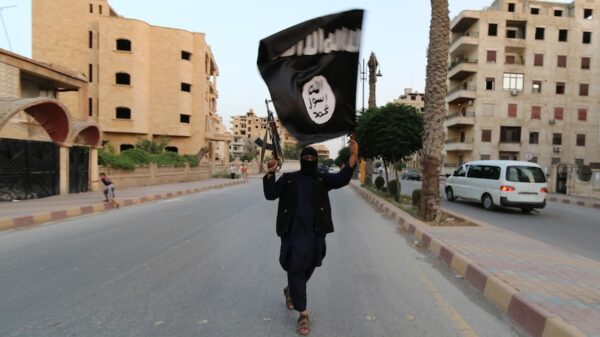
Investigations into the attack reveal that the shooters were motivated by a complex ideology tied to Islamic State, which incorporates anti-Semitic beliefs. Levi West, a counter-terrorism expert, emphasized the multifaceted nature of their motivations, indicating that they were driven by a broader extremist ideology rather than solely by anti-Semitism.
As the community mourns, many Jewish leaders and organizations are reassessing their safety measures and future in Australia. Daniel Aghion, president of the Executive Council of Australian Jewry, expressed concerns about the long-term implications for the Jewish population in Australia. He questioned whether the community would face demographic shifts as individuals contemplate leaving the country.
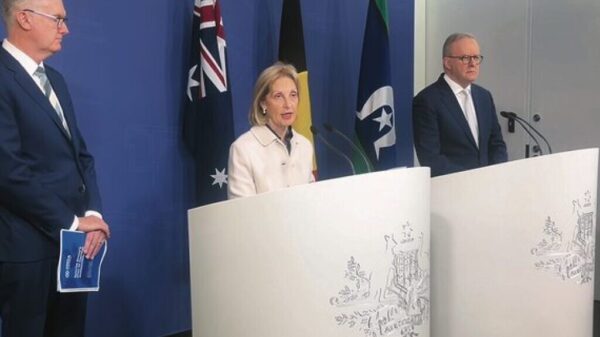
The Australian government is responding with proposed legislative changes aimed at enhancing security, including tougher gun laws. Local police have increased their presence around Jewish schools and places of worship, which have often relied on armed guards for safety. Despite these measures, Aghion cautioned that the fear felt by the Jewish community may intensify in the wake of this violence.
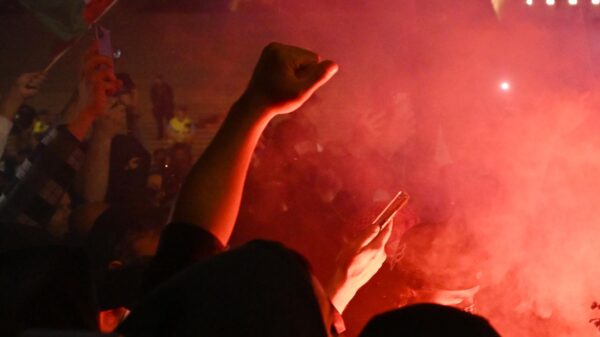
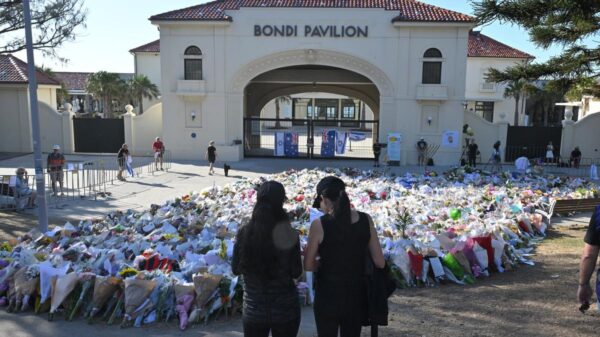
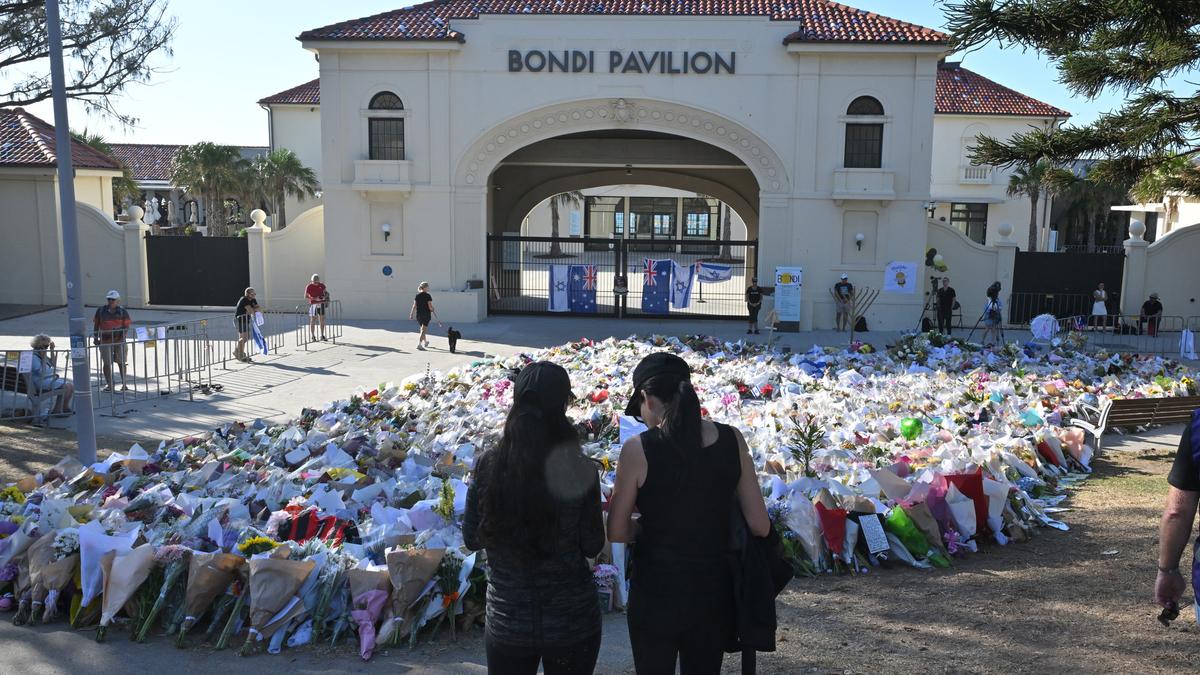
As the nation grapples with this tragedy, public support for the Jewish community has been palpable. Thousands have gathered to pay their respects at memorials, and leaders from various backgrounds have expressed solidarity with the victims’ families.
Yet, as Australia reflects on the implications of this attack, intense discussions surrounding migration, national security, and social cohesion are likely to unfold. The path forward remains uncertain, but the hope is to unite and heal as a resilient community. The scars left by this tragedy may take time to heal, but the commitment to finding a way forward remains strong.