






























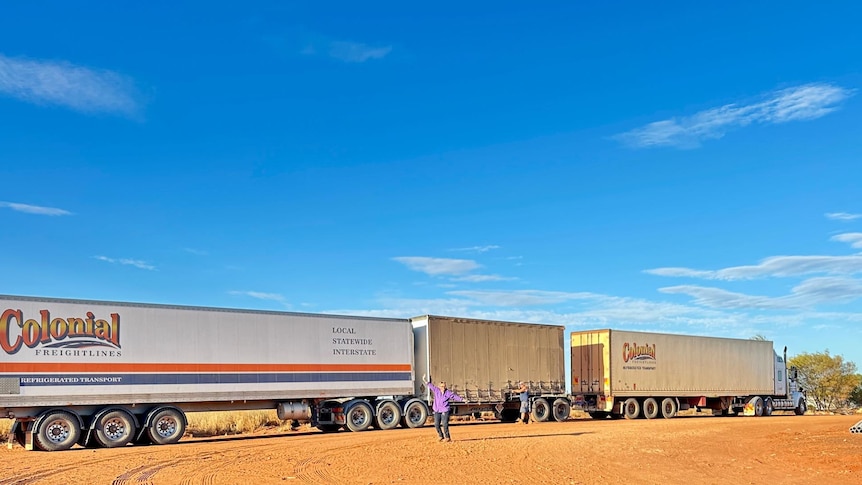
A dedicated effort by local residents has successfully salvaged a food delivery valued at $400,000 for a remote community in Western Australia. This remarkable recovery, which took 36 hours, preserved five months’ worth of vital supplies for the area, highlighting both the resilience of the community and ongoing concerns regarding the state of WA’s most isolated roads.
The incident unfolded when a food delivery truck became stranded due to the poor condition of local roads. It was a situation that put the community’s access to essential supplies at risk, prompting a rapid response from local residents. Volunteers worked tirelessly to retrieve the food and ensure it reached those who needed it most.
Community members organized themselves quickly. They pooled resources and coordinated efforts to rescue the stranded delivery, demonstrating a strong sense of solidarity and determination. This effort not only saved the food but also underscored the importance of reliable transport routes in remote areas.
Despite the successful recovery, the incident has reignited discussions about the quality of infrastructure in remote WA. Many residents have long voiced concerns over the deteriorating state of roads, which can hinder access to essential services and supplies. This situation raises questions about the need for increased investment in infrastructure to ensure that remote communities remain connected and supported.
Local authorities have acknowledged the challenges posed by the region’s road conditions. They are currently evaluating options to improve transportation routes and enhance the community’s resilience against similar incidents in the future. The community’s response to this situation has not only brought immediate relief but has also drawn attention to the broader issues facing remote areas in Western Australia.
As this community reflects on their successful recovery, the hope is that it will serve as a catalyst for change. By addressing the underlying infrastructure challenges, local and state governments can work towards creating a more sustainable future for remote communities across the region. The balance between immediate needs and long-term solutions remains a pressing concern that requires ongoing dialogue and action.