

































The Australian Opposition has accused the Albanese Government of “secretly rationing” aged care funding. This claim follows revelations from officials that many individuals awaiting financial assistance are receiving interim packages that provide significantly less support than required. According to Health Department officials during a Senate estimates session on October 25, 2023, an overwhelming 93 percent of Support at Home packages issued since the beginning of the month have been classified as interim. These packages only allow recipients to access 60 percent of their allocated funding.
Individuals receiving these interim packages are typically left at this reduced funding level for a period ranging from three to 17 weeks, with an average wait time of approximately 10 weeks to obtain their full package. Once clients finally receive their complete entitlement, the funding does not retroactively cover the duration of their interim support.
During the Senate estimates session, Greg Pugh, First Assistant Secretary of the Health Department, explained that the decision to issue interim packages was made in collaboration with the Department of Finance to manage the federal budget. “The remaining 83,000 additional packages, some will be released as full, some will be released as interim, as a way of managing our appropriation,” he stated.
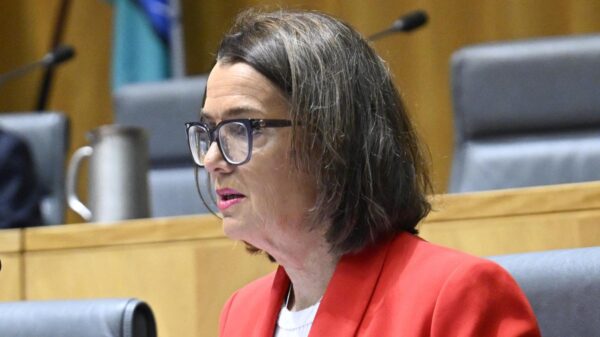
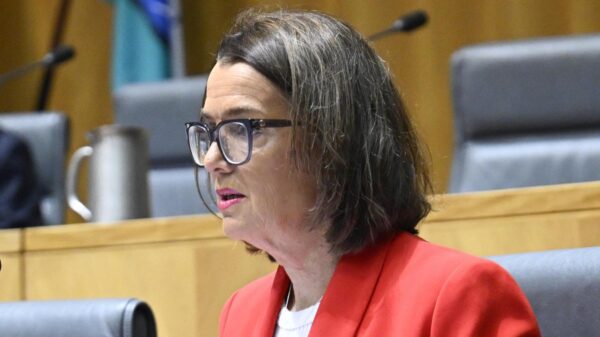
In response, Anne Ruston, Shadow Health Minister, criticized the government for breaking a promise to expedite the release of aged care packages. She argued that this practice undermines the spirit of a Senate order aimed at ensuring faster access to necessary support. “Older Australians had no idea their promised care could be quietly cut to 60 percent just because the Government has made a budgetary decision,” Ruston asserted.
At the end of October, departmental figures indicated that there were 113,150 individuals waiting for assessments of their aged care needs. While this number saw a decrease over the preceding three months, the median waiting time for assessments had increased to 30 days. Additionally, there were 107,281 individuals who had already been assessed as needing a Support at Home package but were still awaiting funding. Of these, 14,380 were receiving care at a lower level, while another 91,922 were approved for assistance through community services.
This situation has raised concerns regarding the provision of aged care in Australia and the implications of budgetary measures on vulnerable populations. The opposition maintains that the government must prioritize the needs of older Australians and ensure that they receive the care and support to which they are entitled.