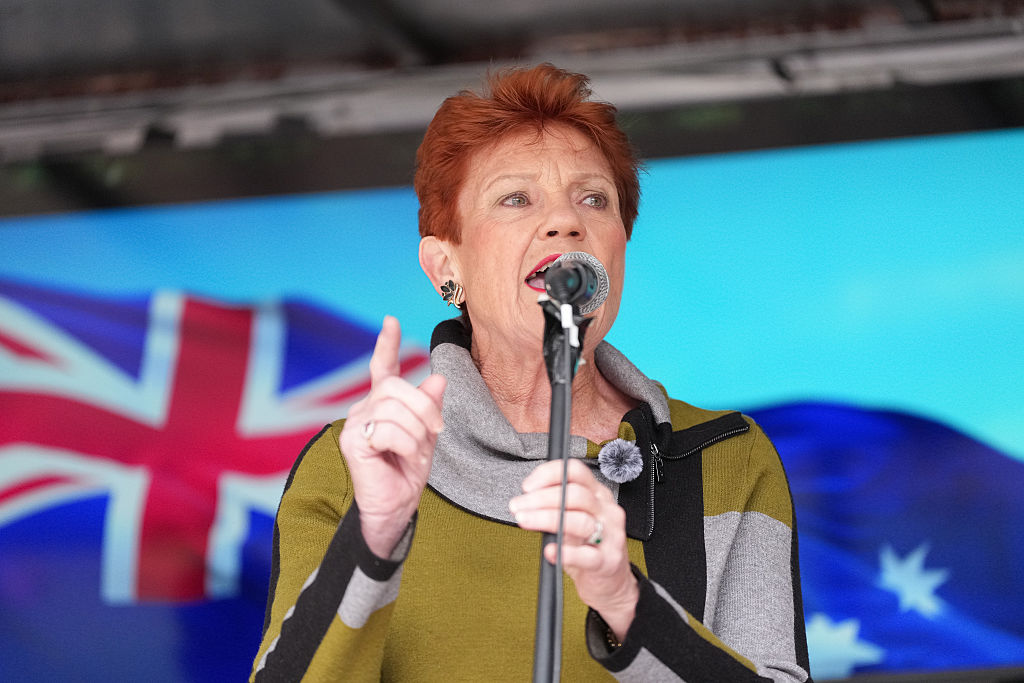
A recent national poll indicates that the Liberal-National Coalition is at risk of losing the historically held seat of Farrer in New South Wales during the upcoming by-election on May 9, 2024. The shift in leadership from Sussan Ley to Angus Taylor does not appear to have bolstered the Coalition’s standing, as support for the party has declined in light of rising popularity for One Nation, led by Pauline Hanson.
The Resolve Political Monitor, released on March 15, surveyed over 1,800 respondents, revealing that One Nation has gained one percentage point, reaching 24 percent overall support. In contrast, the Coalition has dropped to 22 percent, highlighting a significant shift in voter sentiment as the by-election approaches.
Implications for the Coalition and One Nation
The results of this poll suggest a challenging environment for the Coalition, which has long held dominance in the Farrer region. The resignation of Sussan Ley, a prominent figure for the party, has raised questions about the Coalition’s ability to maintain its influence in light of changing voter preferences. Ley’s departure from Parliament has created an opening for other parties, notably One Nation, which could capitalize on the current political climate.
Political analysts are closely monitoring this contest, as it serves as a barometer for One Nation’s increasing appeal across various demographics. With their message resonating with a growing segment of the electorate, the party’s performance in Farrer may reflect broader trends in Australian politics.
What’s Next for the Candidates?
As the May 9 by-election draws nearer, both the Coalition and One Nation are ramping up their campaigns. Angus Taylor, now at the forefront for the Coalition, will need to effectively communicate his vision to voters while addressing the concerns that led to Ley’s resignation. On the other hand, Pauline Hanson will aim to solidify her party’s momentum by reaching out to undecided voters and emphasizing One Nation’s key policies.
With the political landscape shifting, the Farrer by-election could potentially reshape party dynamics not only in New South Wales but also nationally. As both parties prepare for the critical vote, the outcome may serve as an indicator of voter sentiment heading into future elections.
The upcoming days will be pivotal as campaigning intensifies, and candidates seek to connect with constituents in a bid to secure their support. The results on May 9 will undoubtedly have lasting implications for the future of both the Coalition and One Nation in Australian politics.