






















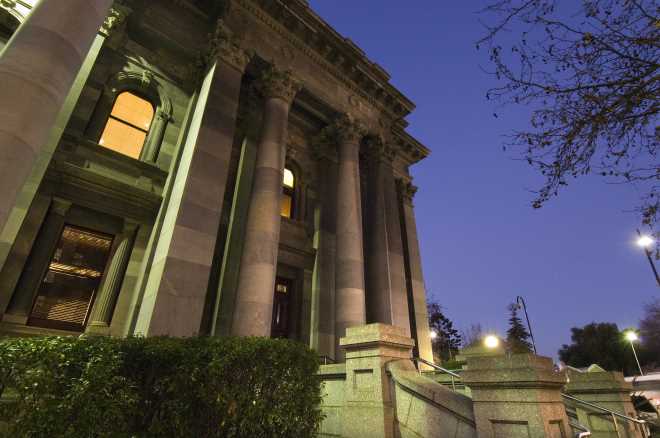
First Nations South Australians are being encouraged to engage in the upcoming elections for the First Nations Voice to Parliament, set for March 2024. This initiative aims to empower Aboriginal communities by allowing them to nominate and vote for representatives who will influence policy decisions impacting their lives. The establishment of the Voice was a commitment made by the South Australian Government, highlighting its intention to create a more inclusive decision-making process.
The Voice consists of 46 members who have actively worked to connect with local Aboriginal communities and collaborate with government agencies. Their efforts have focused on addressing significant issues in areas such as health, housing, justice, and policing. Members of the Voice have been granted unprecedented access to agency heads and Cabinet Ministers, enabling them to advocate effectively for the needs of Aboriginal South Australians.
Advancements in Justice and Health Initiatives
One of the primary concerns of the Voice has been the justice system. Members have conducted visits to courts and both metropolitan and regional prisons to gather firsthand insights from residents. They have engaged closely with relevant departments to ensure Aboriginal perspectives are incorporated into policy development. A notable outcome of this advocacy is the introduction of a new 30-bed Bail Accommodation Support Program (BASP), which will be included in the 2025-26 State Budget. This program aims to address the specific needs of Aboriginal individuals, with its principles co-designed alongside the Voice and the Aboriginal Community Controlled sector (ACCOs).
In health, a significant initiative has emerged from the Voice’s advocacy efforts. The Department of Health and Wellbeing (DHW) has approved a review and co-design of a Statewide Approach to Aboriginal Family Birthing Programs. This project aims to integrate Birthing on Country principles into maternal and infant care across metropolitan and regional South Australia. The initiative will unfold over three financial years and aligns with the Closing the Gap priorities, ensuring Aboriginal children are born healthy and strong.
Building Awareness and Representation
Voice members have also highlighted the need for improved community understanding of the Nunga Court, which operates in various locations including Port Adelaide, Murray Bridge, and Maitland. The Government has committed to developing culturally appropriate materials to educate Aboriginal community members about the court’s function and operations. This effort aims to increase the Nunga Court’s effectiveness in addressing issues within the community.
The Voice has played a crucial role in the South Australian Government’s ongoing Royal Commission into Domestic, Family and Sexual Violence, ensuring Indigenous voices are heard at every stage of the process. Additionally, the Voice has contributed to various legislative measures, including those related to early childhood development, preventative health, and justice reform.
Nominations for the State Voice are now open and will close on February 10. Information on how to enroll and participate in the election can be found at the official website: https://www.savoiceelection.sa.gov.au/.
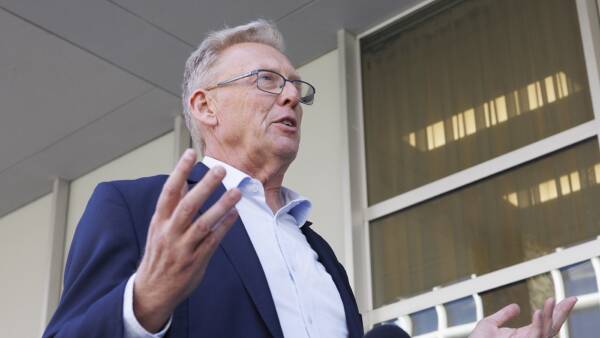
Kyam Maher, the Minister for Aboriginal Affairs, emphasized the significance of the Voice, stating, “At its heart, the Voice is about ensuring First Nations people have more of a say in the decisions that affect their lives. We recognized that for too long, decisions have been made for Aboriginal people, and not by Aboriginal people.”
The establishment of the Voice to Parliament has demonstrated that integrating First Nations perspectives into government decision-making leads to improved outcomes for Aboriginal people and all South Australians. As preparations for the election continue, Maher encourages all interested First Nations individuals to consider nominating for roles that will shape the future of the Voice and its positive impact on the community.