


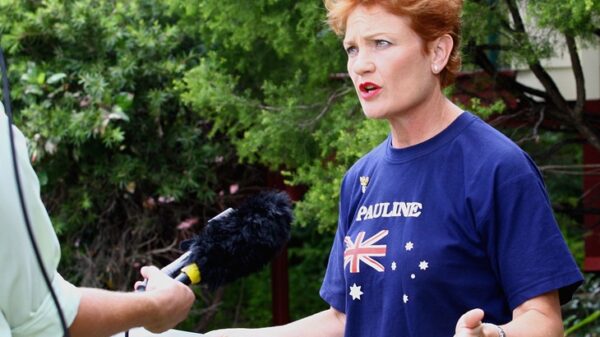












In a striking display of political theatre, Senator Pauline Hanson entered the Australian Senate Chamber on March 6, 2024, wearing a full black burqa. This act followed her unsuccessful attempt to introduce a proposal that sought to ban full-face coverings in Australia. While critics have dismissed her actions as a mere publicity stunt, Hanson framed her protest as a serious commentary on national security, integration, and Australian identity.
This incident highlights ongoing concerns regarding security as Australia grapples with rising incidents of terrorism. According to reports, Hanson’s actions are a response to a growing sentiment among some Australians who feel that the country is facing challenges related to cultural integration and public safety. Her protest has sparked a wider discussion about the implications of religious symbols in public spaces and their relationship to national identity.
Hanson’s decision to don the burqa was not an isolated incident; she had previously made headlines in 2017 for a similar demonstration. However, this latest occurrence resulted in significant backlash from her peers, culminating in a seven-day suspension from the Senate for defying decorum rules. Critics argue that such actions undermine the seriousness of parliamentary discourse, while supporters view her as a voice for those who share her concerns about immigration and security.
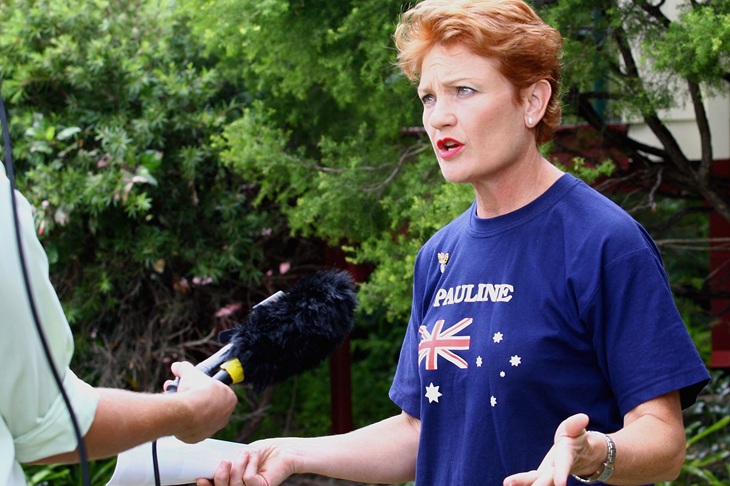
Following her suspension, Hanson expressed frustration over what she perceives as a suppression of her right to free speech. “There is no dress code on the floor of Parliament, yet I’m not allowed to wear it,” she stated to reporters. Her sentiment reflects a broader debate about free expression in political spaces, particularly concerning contentious issues like immigration and national security.
Many Australians are increasingly concerned about the implications of immigration policies on societal cohesion. Hanson has resonated with some migrant families who share her apprehensions about the capacity of Australia’s infrastructure to support a growing population. The increasing visibility of such sentiments echoes similar trends seen in several European countries that have enacted bans on face-coverings, citing security and integration concerns.
Countries like Austria, France, Belgium, and Italy have implemented laws restricting the wearing of burqas and niqabs in public spaces. These measures have often been justified on the grounds of promoting social cohesion and ensuring public safety. For example, Italy’s recent proposals include fines for those who violate such bans, reflecting a growing global trend in addressing the intersection of religious practices and national identity.
Supporters of Hanson’s stance argue that her actions bring attention to issues of female empowerment and security. Many critics of the burqa view it as a symbol of women’s oppression within certain interpretations of Islamic culture. The organization Christian Faith and Freedom Inc articulated this perspective, stating that the burqa “robs a woman of her identity” and can create security risks through anonymity.
Despite the controversy surrounding her actions, Hanson maintains that her protest is not merely theatrical but a necessary stand for what she describes as “Australian values.” She urged fellow citizens to evaluate her based on her actions at the ballot box rather than through the lens of parliamentary proceedings. This call to action reflects a growing frustration among some constituents who feel their concerns are not adequately addressed in political discussions.
The complexities surrounding the burqa debate are further compounded by legal considerations. A nationwide ban in Australia would likely face significant challenges related to constitutional rights and religious freedoms. The refusal of the Senate to allow Hanson to introduce her bill indicates a lack of institutional support for such measures, which may stifle meaningful dialogue on the subject.
As the debate continues, it raises critical questions about how Australia navigates the balance between national security and the rights of individuals. By staging her protest, Hanson has forced a conversation that many in political life would prefer to avoid. Her critics may dismiss her tactics as intolerant, while her supporters see them as a courageous attempt to advocate for national integrity.
Ultimately, Hanson’s actions emphasize the need for a comprehensive debate on national identity, security, and the integration of diverse communities within Australia. Whether viewed as a political stunt or a legitimate protest, her burqa demonstration underscores the complexities of contemporary discussions surrounding immigration and cultural values in a rapidly evolving society.