



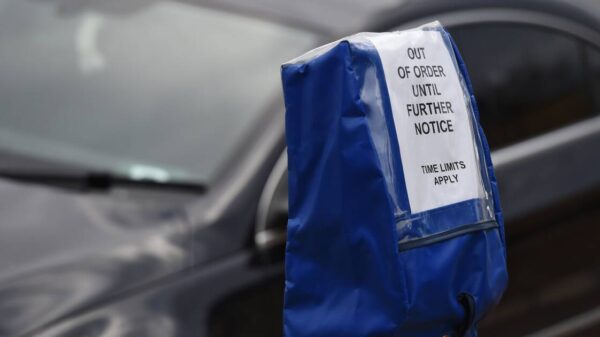

















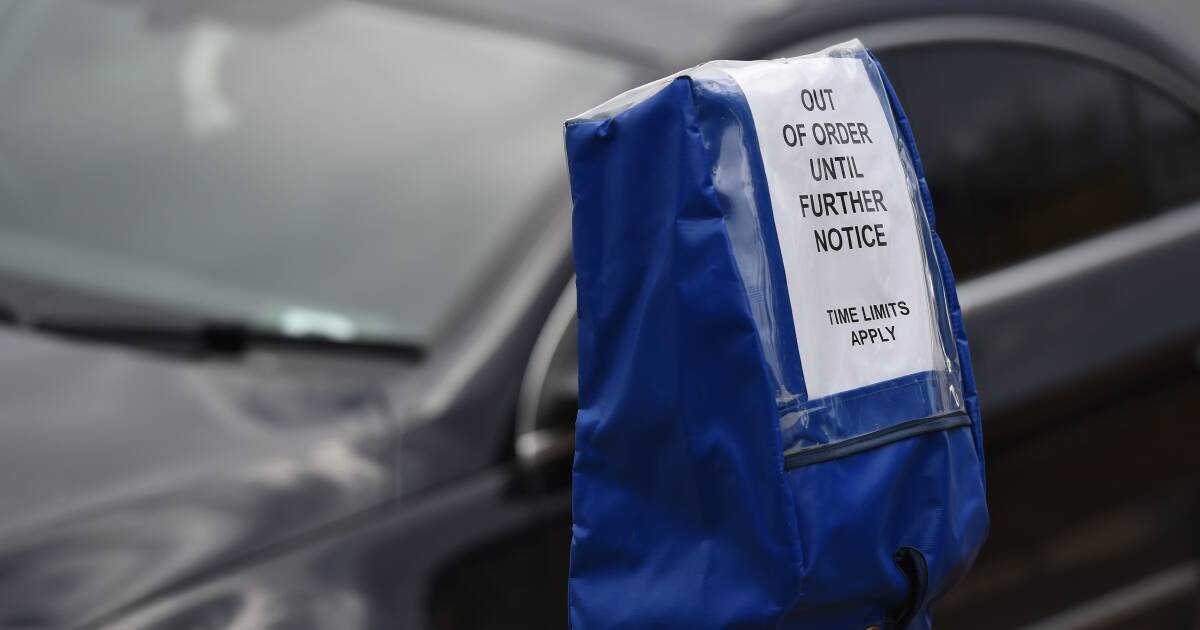
The Wangaratta Council has decided to allocate $74,200 from its 2025-26 financial year budget to install 10 paid parking meters in response to community feedback about accessibility. This decision, made during a council meeting on December 16, 2025, reverses an earlier decision to eliminate physical meters in favour of a solely app-based system using EasyPark.
Despite this move, public sentiment remains mixed. The council previously considered the meters for removal due to a surge in transactions through the EasyPark app. In the last half of 2025, the app recorded 70,812 transactions, nearly double that of the same period the previous year. The council believes that the new parking meters could potentially pay for themselves within six months, yet many residents express concern over accessibility and privacy regarding app usage.
Local business owner Matthew Barry, who runs Wangaratta Jewellers, criticized the proposed locations for the new parking meters, calling them “entirely inadequate.” He highlighted the challenges faced by older residents and those with mobility issues in accessing these meters. Barry believes that the distance to the meters will hinder business in the central business district (CBD) and argues for an increase in the number of meters to better serve the community’s needs. He pointed to a petition with 2,212 signatures opposing the paid parking scheme as evidence of local discontent.
In response, Mayor Irene Grant defended the council’s decision, noting that the meters will operate using car registration numbers and that payments can be made at any machine. “The current location is just proposed,” she explained. “We’re looking at what’s going to work best, and it may be very much a moveable piece.” Grant emphasized the need for revenue generation within the council’s modest budget, stating that paid parking is a viable option for funding municipal services.
During the meeting, Adrian Fox, secretary of Business Wangaratta, proposed the introduction of a $2 weekly parking voucher to provide more flexible options for consumers. He argued that such a measure would support those facing upfront costs of monthly vouchers. However, the council rejected this idea, with Grant asserting that the new parking machines would already offer sufficient payment options. She further noted that introducing weekly vouchers would complicate administration and operational costs without delivering long-term benefits. Grant also reminded attendees that free parking options remain available in designated areas of the CBD.
Additionally, council discussions included applications for the 2026 Youth Council advisory committee, a $40,000 allocation for tourism events, and the drafting of a reconciliation action plan.
As the council navigates the complexities of community needs and budget constraints, the installation of paid parking meters marks a significant step forward, albeit one that is met with careful scrutiny from local residents and business owners alike.