




























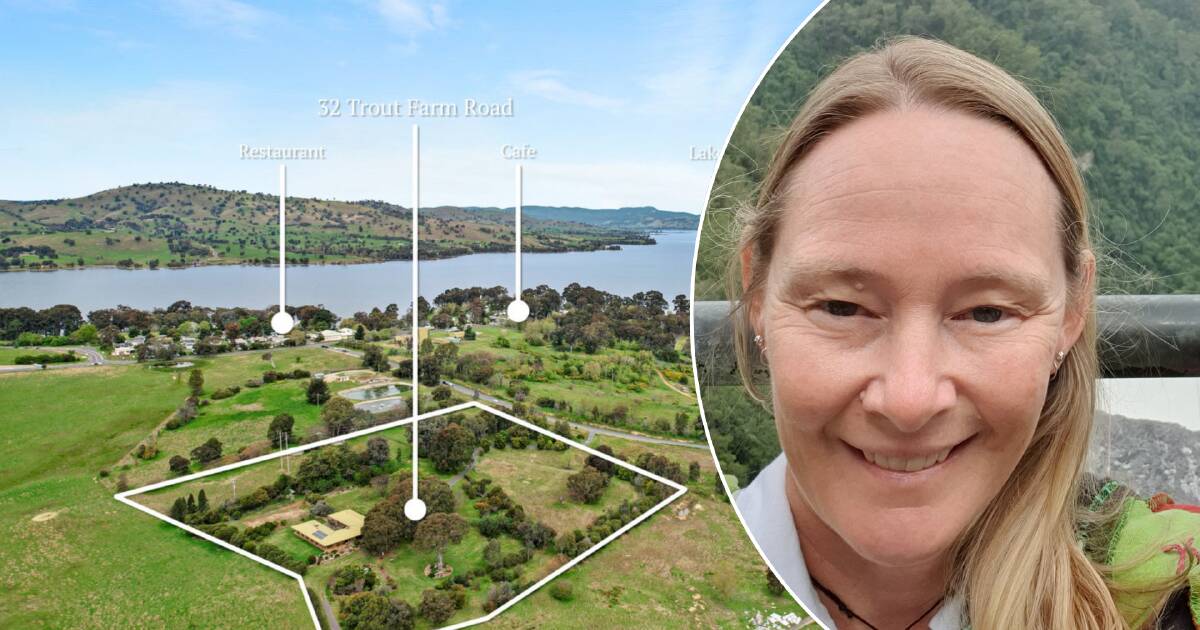
UPDATE: Albury is poised to receive $450,000 for a significant new battery energy storage system (BESS) at Lake Hume Village if the project is approved. This funding, earmarked for “community benefits,” comes as part of a voluntary planning agreement with UK-based energy company Foresight.
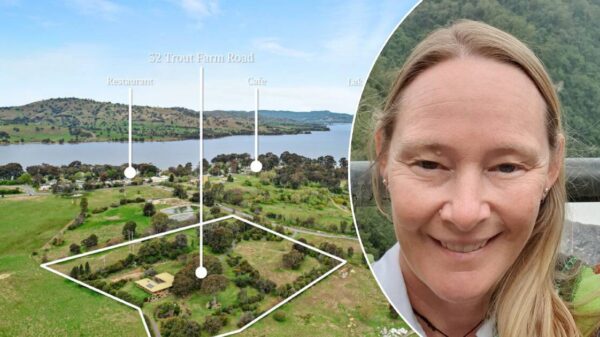
The proposed BESS 2, to be located on Trout Farm Road, promises to be three times larger than its predecessor, BESS 1, which was approved in 2021. With a capacity of 150MWh, BESS 2 is a crucial component of New South Wales’ renewable energy strategy. The funding was determined based on NSW benefit-sharing guidelines, which allocate $150 per 150MWh over a projected lifespan of 20 years.
Foresight has indicated that $350,000 will be invested in local infrastructure while $100,000 will fund community initiatives. A spokesperson stated,
“Large energy projects rely on strong local partnerships, and we recognize the important role host communities play in supporting the state’s energy transition.”
However, not everyone is on board with the project. Lyndal Gawen, a member of the Albury Council sustainability advisory committee, expressed concerns regarding the visual impact of BESS 2. She believes the community is getting a “bad deal,” preferring the less obtrusive BESS 1. Gawen remarked,
“Not only is it ugly, but they’re giving us the cheap version of ugly.”
She urged residents to voice their opinions to the Independent Planning Commission (IPC) regarding the importance of the valley and river.
The IPC is currently reviewing the BESS 2 proposal, which has attracted 74 submissions against it, highlighting local dissent. Written submissions will be accepted until 5 PM on December 10, 2023, providing a critical window for community engagement.
As Albury stands at the crossroads of a major energy transition, the implications of this project extend far beyond just funding. Communities are grappling with the balance of environmental impact and energy needs, making this a pivotal moment for local stakeholders.
The situation remains fluid, with potential impacts on the region’s landscape and energy infrastructure. Residents and stakeholders are urged to stay informed and participate in the ongoing discussions as this urgent matter develops.