UPDATE: Australia has announced a ban on the chant “globalise the intifada” following the devastating mass shooting at Bondi Beach that left 15 civilians dead. New South Wales (NSW) Premier Chris Minns has called for urgent legislative measures to curb hate speech and prevent future violence.
In the wake of the December 10, 2023, terror attack, authorities will have expanded powers to require protesters to remove face coverings. Those publicly displaying the ISIS flag or symbols from other terrorist organizations could face severe penalties, including up to two years in prison and fines reaching $22,000 for individuals or $110,000 for organizations.
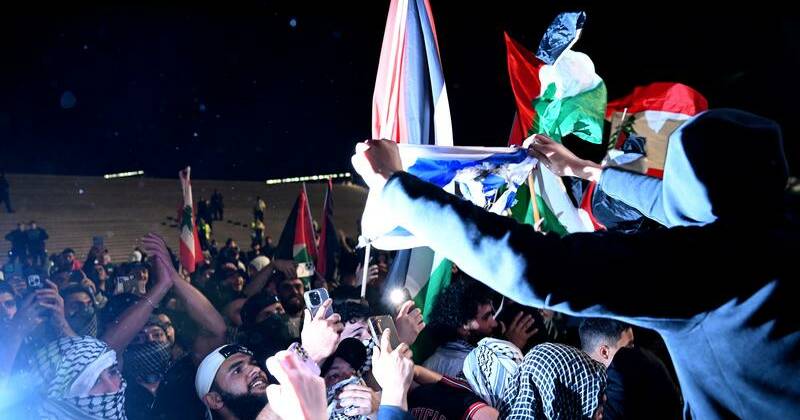
“Hate speech or incitement of hatred has no place in our society,” Premier Minns stated during a press conference on Saturday. The proposed laws follow a disturbing trend, echoing similar actions taken by UK authorities earlier this week, who also indicated they would arrest individuals chanting the phrase or carrying related placards.
“Horrific, recent events have shown that the chant ‘globalise the intifada’ is hate speech and encourages violence in our community,”
Minns added as he implored political colleagues to support the legislation.
The chant has historically called for increased pressure on Israel regarding human rights, but critics argue it fosters anti-Semitism. This incident has ignited fierce debates over free speech and public safety, as NSW politicians prepare to discuss the reforms on Monday.
Amid the outpouring of grief from the Bondi community, hundreds gathered at the beach on Saturday for a two-minute silence, honoring the victims of the attack. Lifeguards and volunteers stood shoulder to shoulder, reflecting the emotional toll on a community grappling with the aftermath of violence. “The emotions are extremely raw for everyone and it’s very hard,” said Daniel McLaughlin, a lifeguard services coordinator.
Prime Minister Anthony Albanese has also responded to the tragedy, calling for increased funding for lifesaving clubs and reaffirming support for US military actions against ISIS in Syria. “ISIS has caused untold suffering around the world,” he remarked, linking the ideology to the recent attack in Australia. “That evil ideology represents something that should have no place.”
The two gunmen involved in the Bondi attack displayed an ISIS flag on their vehicle but did not chant “globalise the intifada” or wear face coverings during the incident. The proposed reforms aim to address hate speech more broadly, though they have faced criticism from civil liberties advocates who argue that banning protests does not effectively combat anti-Semitism.
As the debate heats up in NSW’s parliament, the outcome of these reforms could have lasting implications for civil liberties in Australia. Tim Roberts, president of the NSW Council for Civil Liberties, expressed concern over the expanded police powers. “These are far too broad powers for the police commissioner,” he stated, emphasizing the need for targeted action against hate rather than sweeping measures that could infringe on rights.
The community remains on edge as the repercussions of the Bondi shooting continue to unfold. With public sentiment shifting and the political landscape adapting to the new realities of safety and security, all eyes will be on the parliamentary discussions this week.
Stay tuned for updates as this story develops.