



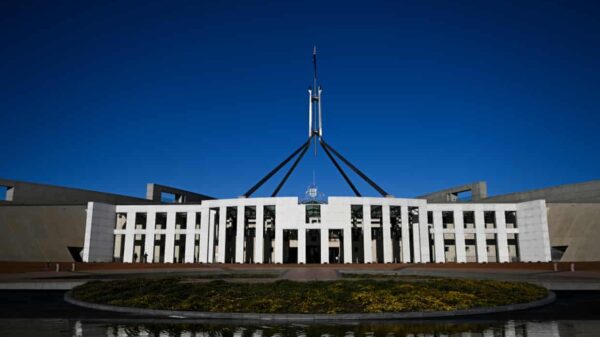

















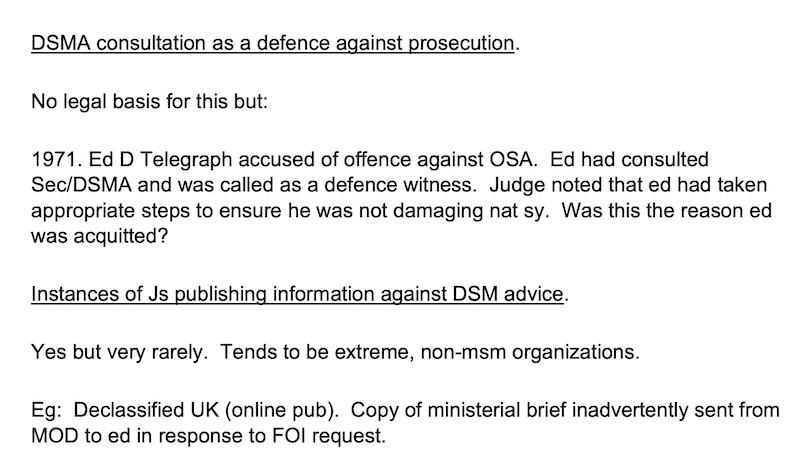
UPDATE: Australia is urgently seeking advice from the UK on controlling mainstream media, as revealed by documents obtained by independent outlet The Greyzone. This alarming development highlights discussions between Australia’s Attorney-General, Mark Dreyfus, and the secretive Defence and Security Media Advisory (DSMA) Committee, which has been instrumental in shaping UK media censorship practices.
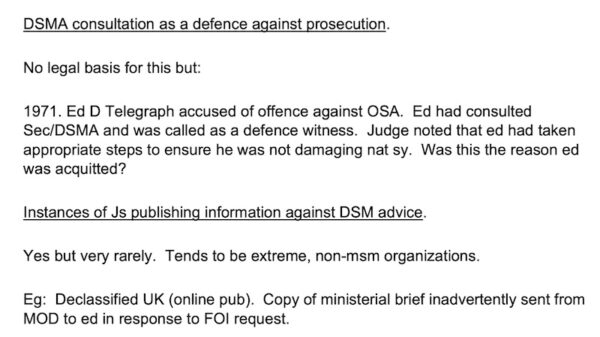
The documents indicate that the Australian government is exploring a similar system to the UK’s D-Notice, which allows media organizations to seek permission before publishing stories deemed sensitive. The DSMA claims a high compliance rate among reporters, with Secretary Dodds noting that journalists “very rarely” ignore their guidance. If media outlets defy this advice, the DSMA can demand the removal of articles that threaten national security.
This unprecedented disclosure follows a five-month battle by Australian authorities to suppress the release of these documents under Freedom of Information (FOI) laws, only revealed after intervention from the Information Commissioner. The correspondence between Dreyfus and the DSMA occurred in November 2022, suggesting a concerted effort to replicate the UK’s model.
In a concerning twist, some officials in Canberra reportedly sought to have Australian media provide advance notice of publications, echoing the advisory aspect of the D-Notice system. The DSMA operates with a dual-layer of secrecy, as conversations between the committee and media organizations are confidential, shielding their actions from public scrutiny.
During a secretive roundtable held by the Labor government in 2022, major media figures were consulted, but notable journalists like Julian Assange were excluded from discussions on press freedom. This raises significant questions about the future of journalism in Australia and the potential implications for media independence.
WHY THIS MATTERS NOW: The actions of the Australian government signal a troubling trend towards censorship and control over the press, affecting the fundamental principles of free speech and transparency. As these developments unfold, the public must remain vigilant about the implications for democracy and media integrity.
NEXT STEPS: As Australia continues to explore its media oversight options, attention will focus on how these measures will impact journalistic practices and the public’s right to information. The international community is urged to monitor these developments closely, as they could set a precedent for media regulation in other democracies.
Stay tuned for further updates as this story develops.