


































URGENT UPDATE: Australian farmers are on track for a record-breaking agricultural value, with projections indicating a staggering $106.4 billion for the 2025-26 financial year. This forecast, released by the Australian Bureau of Agricultural and Resource Economics and Sciences (ABARES), reflects a remarkable $14 billion increase from the previous year, showcasing resilience amid ongoing drought conditions.
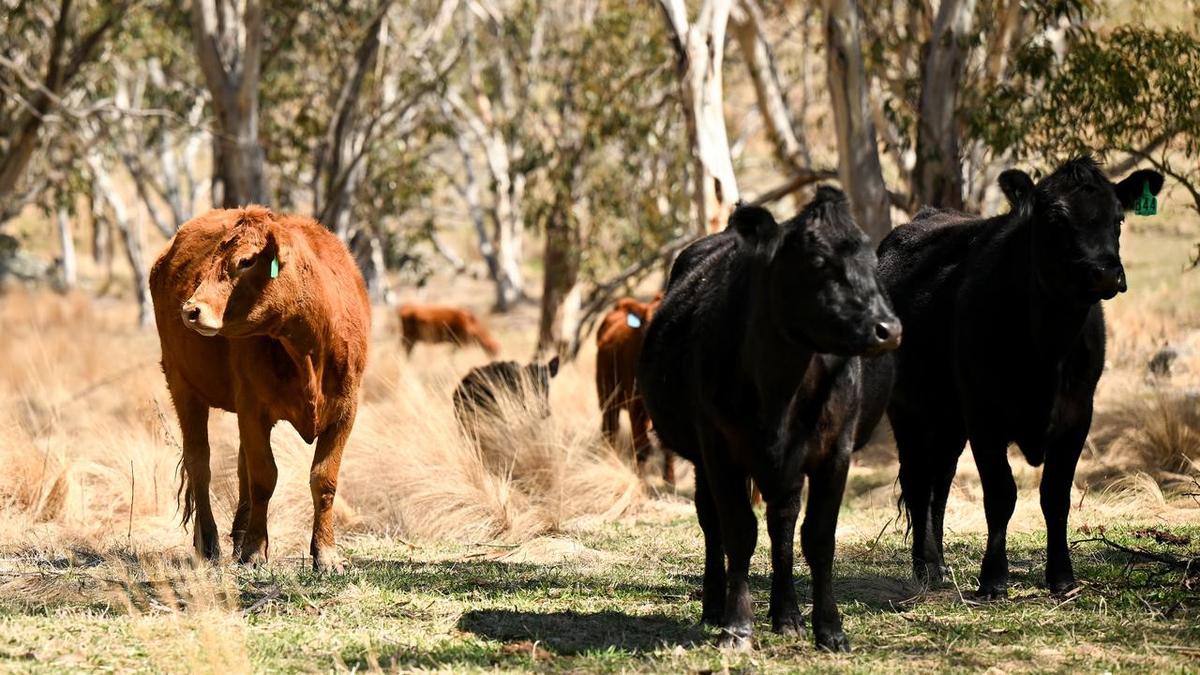
Latest data shows that agricultural production alone is expected to reach $99.5 billion, marking the highest figure on record. The news comes as Jared Greenville, ABARES Executive Director, highlighted the strengthening livestock market, driven by robust demand from both global and domestic restockers. “Livestock prices continue to strengthen, boosting the value of livestock and livestock product output,” said Dr. Greenville on Tuesday.
In addition, the combined export value of agriculture, fisheries, and forestry is projected to soar to $83.9 billion in 2025–26, setting yet another record for Australia. With average broadacre farm cash income expected to rise to $227,000 per farm, this economic boost is crucial for farmers facing challenging conditions.
Despite a drier-than-normal summer impacting certain regions, particularly in southeast Australia, the national winter crop outlook remains promising. Production is on track to reach 66.3 million tonnes, marking the second-largest winter crop on record. Harvest operations are currently underway across all states, with above-average yields reported in northern NSW, Queensland, and Western Australia.
Dr. Greenville emphasized the strength and global competitiveness of Australia’s agricultural sectors as they approach 2026, stating, “These latest forecasts highlight the continued resilience of Australia’s agriculture, fisheries, and forestry sectors.”
However, not all segments are thriving. The wine grape market faces a downturn, with production expected to fall by 11 percent to 1.4 million tonnes, significantly below the 10-year average. This decline is attributed to challenging seasonal conditions and elevated input costs, compounded by subdued domestic and international consumption.
As the agricultural landscape evolves, farmers are urged to adapt to these changing dynamics while capitalizing on the positive forecasts. The upcoming months will be critical as they navigate the challenges of production and market demands.
Stay tuned for further updates as this developing story unfolds, impacting farmers, consumers, and the economy at large.