

































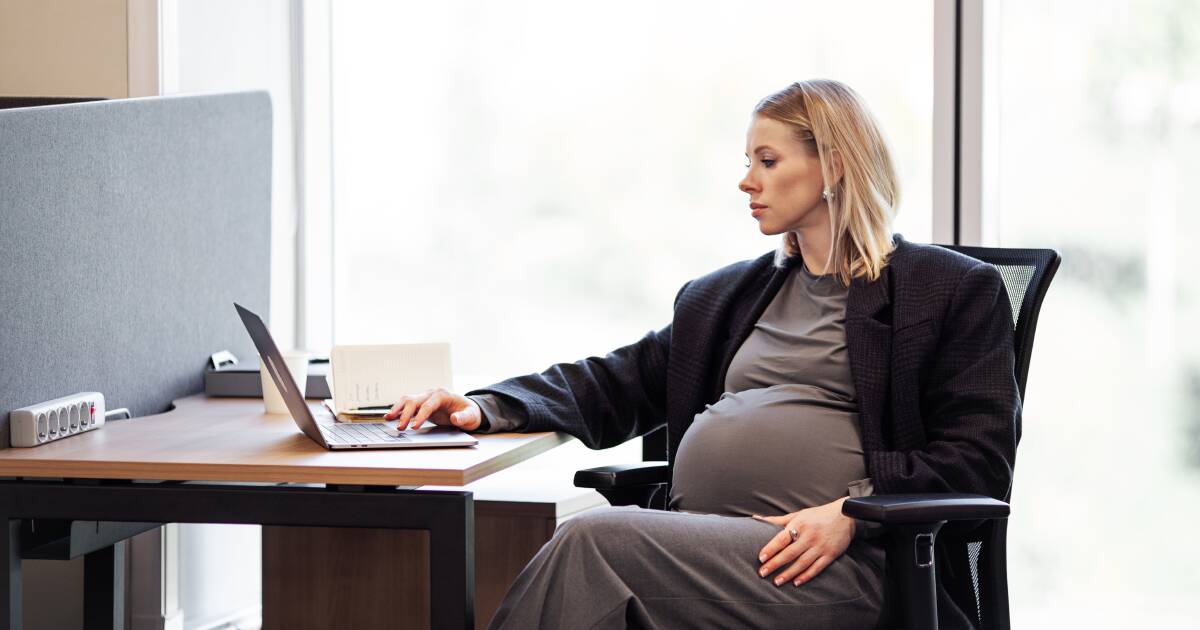
BREAKING: A Sydney warehouse worker has just won her job back and A$15,000 in back pay after being unfairly dismissed upon revealing her pregnancy. The Fair Work Commission ruled in favor of the employee, shedding light on the complexities of pregnancy discrimination in the workplace.
The case involved a contractor from Adecco working in an Amazon warehouse, who was fired via text message just two weeks after notifying her employer of her pregnancy. This ruling highlights the urgent need for clear understanding among employers and employees regarding rights and obligations related to pregnancy in the workplace.
Pregnancy discrimination is not always overt; in fact, a recent 2022 study revealed that approximately 14 percent of calls to a Victorian employment rights service were related to pregnancy and breastfeeding discrimination. Many pregnant women have reported feeling pressured to leave work due to their employers’ failure to accommodate necessary adjustments, such as reduced travel during bouts of morning sickness.
As of June 2023, significant legal changes have been made. Pregnant women can now formally request flexible work arrangements under the updated Fair Work Act. This means that after working for an employer for 12 months, employees are entitled to submit a written request for changes to their work duties, and employers must respond within 21 days. Rejections can only occur based on reasonable business grounds after discussion.
Under these laws, employees have the right to request a “safe job” or “no safe job leave.” This applies even to casual workers. If a pregnant employee can provide medical evidence that her current role poses risks to her pregnancy, she can ask to be reassigned to safer duties. Employers are obliged to consider such requests seriously and cannot unilaterally decide that a pregnant worker is incapable of fulfilling her role.
In the case of the Adecco worker, she had expressed safety concerns after experiencing dizziness while using a ladder. Although her doctor advised her to avoid heavy lifting and ladder work, she was initially allowed to perform lighter duties. However, this arrangement changed abruptly when her employer claimed no light-duty shifts were available, effectively sidelining her.
In a statement regarding the ruling, the Fair Work Commission emphasized the importance of employers actively seeking to eliminate discrimination and accommodating the needs of pregnant employees. The Sex Discrimination Act now includes a “positive duty” which mandates employers to take proactive steps to prevent discrimination, particularly related to pregnancy.
As this case unfolds, it serves as a crucial reminder for both employers and employees about the importance of understanding workplace rights regarding pregnancy. Employers, particularly those in smaller businesses without dedicated HR departments, must be aware of their legal obligations and the potential implications of failing to comply.
The ruling is a vital step forward in addressing the challenges faced by pregnant employees and ensuring their rights are protected in the workplace. As more individuals become aware of these changes, it is expected that workplace attitudes and practices will continue to evolve, leading to better support for pregnant workers.
Stay tuned for further updates on this developing story as it may set important precedents for workplace rights across Australia and beyond.