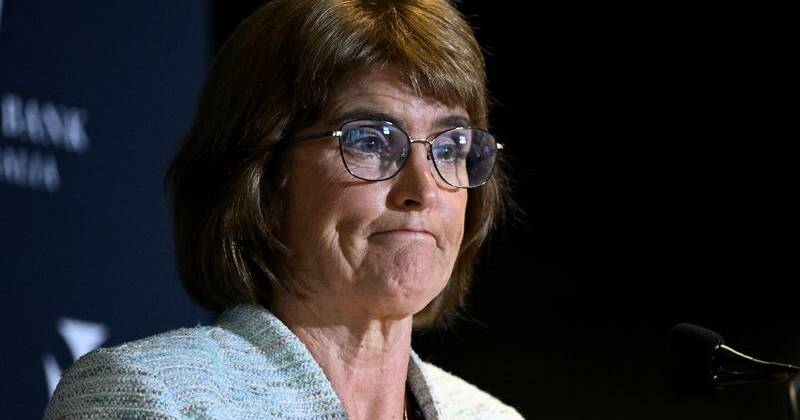
UPDATE: The head of the Reserve Bank of Australia, Michele Bullock, has raised urgent concerns about a significant slowdown in the Chinese economy, just as forecasters downgraded growth expectations for Australia’s largest trading partner. Speaking during Senate estimates on October 25, 2023, Bullock emphasized that the impact of China’s economic struggles could severely affect Australia, particularly through reduced exports of iron and coal.
China accounts for a staggering 30 percent of Australia’s exports, making developments in the Chinese economy critical for Australian financial health. Bullock stated, “What happens in China is very important to us,” highlighting the interconnectedness of the two economies. She noted that the real estate sector in China remains stagnant, and while authorities are attempting to stimulate growth in other areas, risks persist.
The Organisation for Economic Co-operation and Development (OECD) recently slashed its forecast for Chinese GDP growth to just 4.4 percent in 2026 and 4.3 percent in the following year, expressing concerns over decreasing business investment due to Chinese policies aimed at curbing excessive competition in sectors like electric vehicles and solar panels.
In contrast, the OECD upgraded Australia’s GDP growth forecast to 2.3 percent for both 2026 and 2027. This increase is linked to rising disposable incomes and a boost in private consumption. However, Bullock cautioned that while inflation is expected to ease, the recent spike in Australian inflation to 3.8 percent in October raises questions about future monetary policy.
Bullock expressed her concerns about inflation becoming entrenched if it remains above the RBA’s target band, stating, “The board is looking very hard at these recent numbers to determine the extent to which it’s temporary.” She indicated that persistent inflation data could influence future decisions on monetary policy.
As developments unfold, all eyes will be on both the Australian and Chinese economies. The RBA’s ongoing assessment of inflation trends will be crucial for shaping its monetary policy in the coming months. The situation remains fluid, and further updates are expected as the RBA monitors these critical economic indicators.
This urgent news highlights the immediate impact of international economic relations on local markets, emphasizing the need for stakeholders to stay informed about these rapidly evolving circumstances.