





























UPDATE: The United Kingdom has just clinched a landmark deal with the United States to secure zero tariffs on UK pharmaceutical exports, but it comes with a significant twist—a 25% increase in drug prices for new US medicines. This urgent agreement was announced today and is set to reshape the pharmaceutical landscape for both nations.
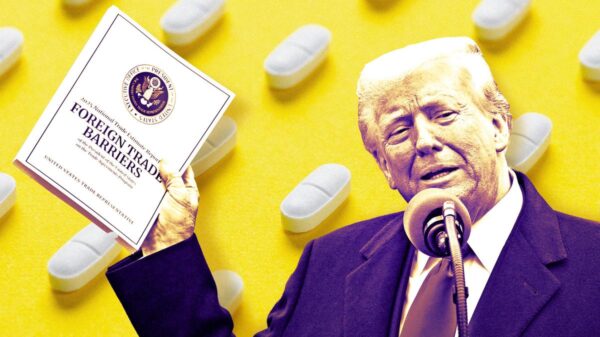
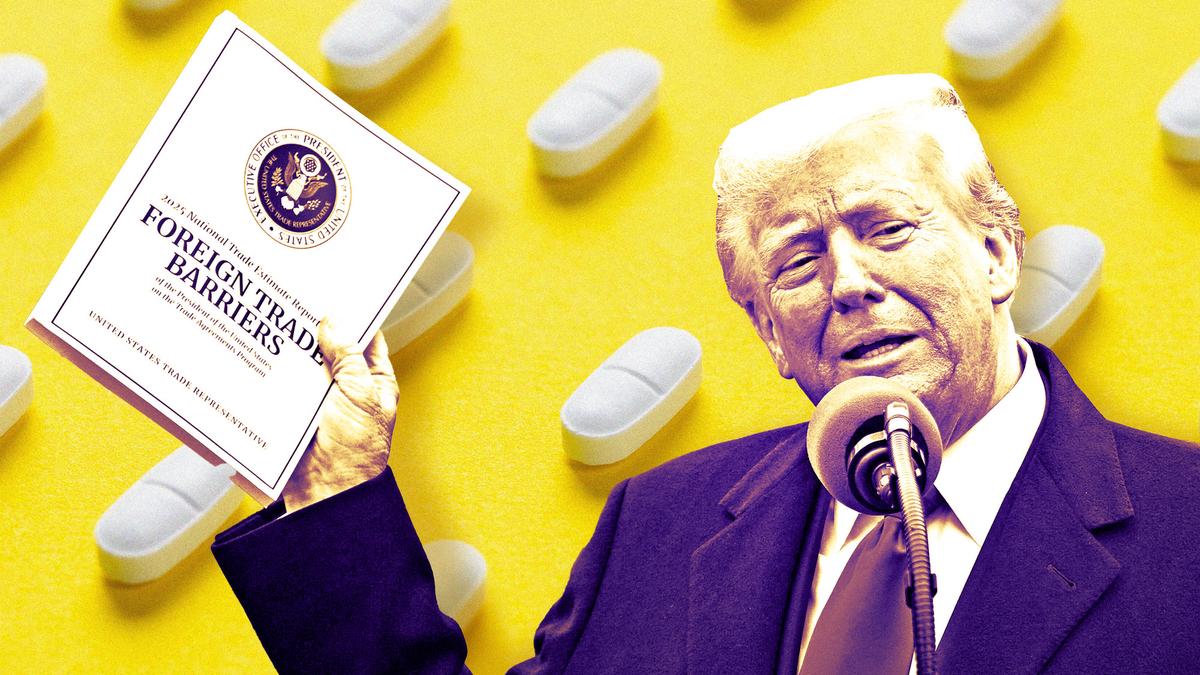
Under the new deal, the UK will raise the net price it pays for new US medicines by 25%. In exchange, UK-manufactured medicines, drug ingredients, and medical technology will be exempt from Section 232 tariffs and any future Section 301 tariffs. This move is intended to foster innovation and investment in the pharmaceutical sector, according to United States Trade Representative Jamieson Greer.
The agreement also triggers a significant overhaul of the UK’s drug valuation framework. The NICE (National Institute for Health and Care Excellence) will increase its “quality-adjusted life year” threshold from 30,000 pounds (approximately $60,600 AUD) to 35,000 pounds. This adjustment aims to keep pace with the evolving economic environment in which pharmaceutical companies operate today.
The UK Government stated this change will enhance access to new medicines for patients while attracting investment from drug manufacturers. Notably, this revised framework will apply to all new medicines, not just those from the US, although it will not impact existing drug prices.
“This negotiated outcome pricing for innovative pharmaceuticals will help drive investment and innovation in both countries,”
Greer emphasized in a statement.
Despite the positive outlook, the British pharmaceutical industry faces challenges. The UK market represents a small segment of the global pharmaceutical landscape, contributing just 2% to AstraZeneca’s overall revenue. Shares for UK-based pharmaceutical companies like GSK and AstraZeneca remained largely unchanged following the announcement.
The deal is crucial as pharmaceuticals account for a fifth of all UK exports to the US by value. The British Chambers of Commerce welcomed this agreement, noting its significance in providing the UK with a competitive edge in the pharmaceutical market.
This breakthrough follows earlier discussions in May where both countries expressed a commitment to seek “significantly preferential treatment outcomes on pharmaceuticals.” The agreement not only resolves a major trade issue but also sets the stage for future collaborations between the two nations.
As the US government pushes for a broader range of trade agreements, experts believe this deal could pave the way for more favorable conditions for pharmaceutical companies operating in the UK. Ryan Majerus, a partner at King & Spalding, remarked that the US is racing to finalize trade agreements before the Supreme Court rules on the legality of tariffs imposed by the previous administration.
As the situation develops, stakeholders in both the UK and US pharmaceutical sectors will be closely monitoring the implications of this agreement. For patients and healthcare providers, the urgency of accessing innovative treatments at sustainable prices has never been more critical.
Stay tuned for more updates on this developing story as it unfolds.